Get your free personalized podcast brief
We scan new podcasts and send you the top 5 insights daily.
Whole Foods didn't know where to place KIND bars because they didn't fit the traditional "nutritional bar" category. This "problem" became a huge opportunity when stores placed KIND in high-visibility displays at checkout counters, driving massive impulse buys away from competitors.

Related Insights
The absence of numbered aisles at Whole Foods is a deliberate customer experience strategy, not an oversight. It forces shoppers to ask employees for help, who are then trained to personally walk them to the item. This design choice engineers personal conversations and embeds a high-touch service model directly into the store's physical layout.

Getting into one local Whole Foods wasn't just a sale; it was a key. Travis immediately leveraged that single, high-credibility placement to persuade other local retailers to carry his product. He understood that one prestigious "yes" acts as powerful social proof, creating a domino effect for distribution.
A classic study found placing beer next to diapers boosted sales of both by targeting men on a specific chore. This 'mission-based' merchandising is more effective than rigid category management (e.g., all drinks together), but internal store politics and siloed departments often prevent these shopper-friendly groupings.

The decision to sell a stake to Mars wasn't just for growth. It was driven by the fear of losing brand control as gray market distributors were already selling millions of KIND bars in China. The partnership was a strategy to preempt copycats and control global expansion.
Shoppers often approach indulgent categories with "healthy goggles," initially seeking better-for-you items. By leading with low-fat or healthy options at the front of an aisle, retailers can increase engagement and foot traffic. Once in the aisle, a significant number of these shoppers then "trade up" to the full-fat versions they originally planned to avoid.

The company's success with wine taught them a core merchandising principle: act as a trusted curator, not a passive landlord. They apply the wine merchant model—selecting interesting, small-batch items and telling their stories—to everything from nuts to frozen meals, building a brand based on discovery.
Beryl Stafford's big break with Whole Foods wasn't a cold pitch. The bakery manager was already a customer, buying the bars from a small, local co-op. This proves the strategy of dominating a small local market first can create pull from larger retailers.
The baby food brand strategically places its products (pouches, bars, frozen meals) in various aisles. This "all-aisle" approach creates multiple touchpoints during a single shopping trip, acting as an effective in-store advertisement that drives cross-category sales and grows with the customer.

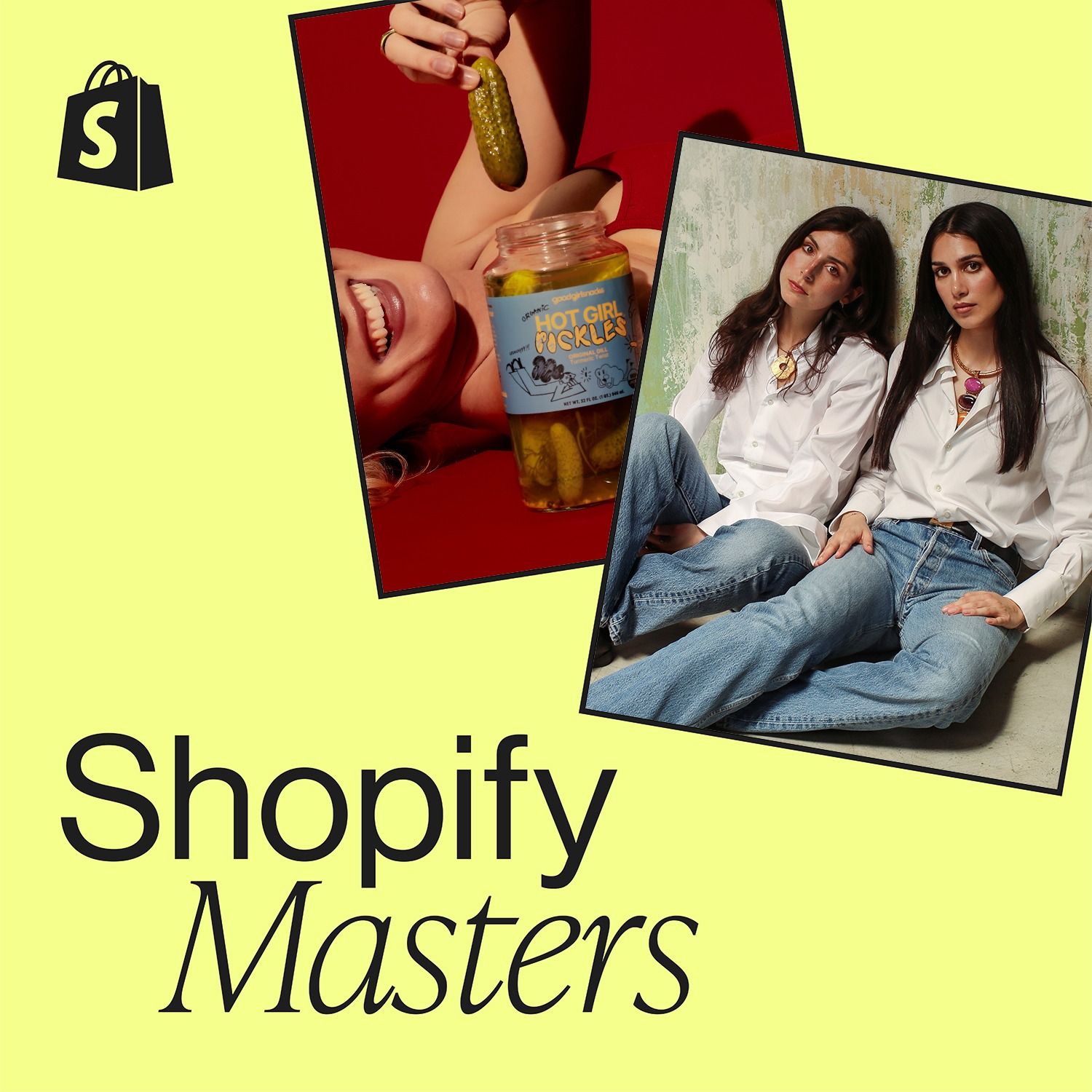
The founders identified a mismatch between the modern, Gen Z pickle consumer on TikTok and the outdated, homogenous branding on store shelves. By targeting a neglected category with bold design and unique flavors, they faced less competition and stood out to both consumers and retail buyers.
Instead of only focusing on corporate buyers, CPG brands should build relationships with individual store managers. A manager who becomes an advocate for your product can carry more weight internally than a cold outreach to headquarters.