Get your free personalized podcast brief
We scan new podcasts and send you the top 5 insights daily.
Launched when D2C sentiment was at a low point, Grüns avoided direct competition by focusing on 'novel innovation.' Instead of just improving an existing product, they created entirely new categories, such as robust nutritional blends in a gummy form factor, allowing them to sidestep crowded markets.

Related Insights
For Numi's novel undershirts, a major challenge was educating the market on the problem and solution. When competitors emerged, they didn't just steal market share; they helped validate the category and shoulder the burden of customer education, ultimately expanding the total addressable market.

Breakthrough product ideas often originate from observing successful patterns in completely different product categories and asking how that success could be adapted to your own market, as seen in the creation of Cool Ranch Doritos.
The infrastructure to produce daily gummy packs at scale did not exist, forcing Grüns to start with a manual process involving 20 people hand-packing products. This initial, unscalable effort was a necessary step to developing a proprietary, automated supply chain that now serves as a significant competitive moat.

Instead of inventing a completely new market, position your product as a sub-category of something people already understand (e.g., "like live chat, but for sales"). This "horseless carriage" approach makes innovation digestible by grounding it in a familiar concept, as Drift did.

Many marketers mistakenly start with the goal of creating a new category. However, a new category only emerges as a downstream consequence of a strong, existing demand that is poorly served by all current products. The demand must exist before a new category can be successfully established.

Instead of fighting for shelf space in traditional retail (a 'red ocean'), identify and create new, unconventional distribution points like hotels, airlines, or golf courses. This 'blue ocean' strategy builds a brand moat with less competition by reimagining where a product can live.

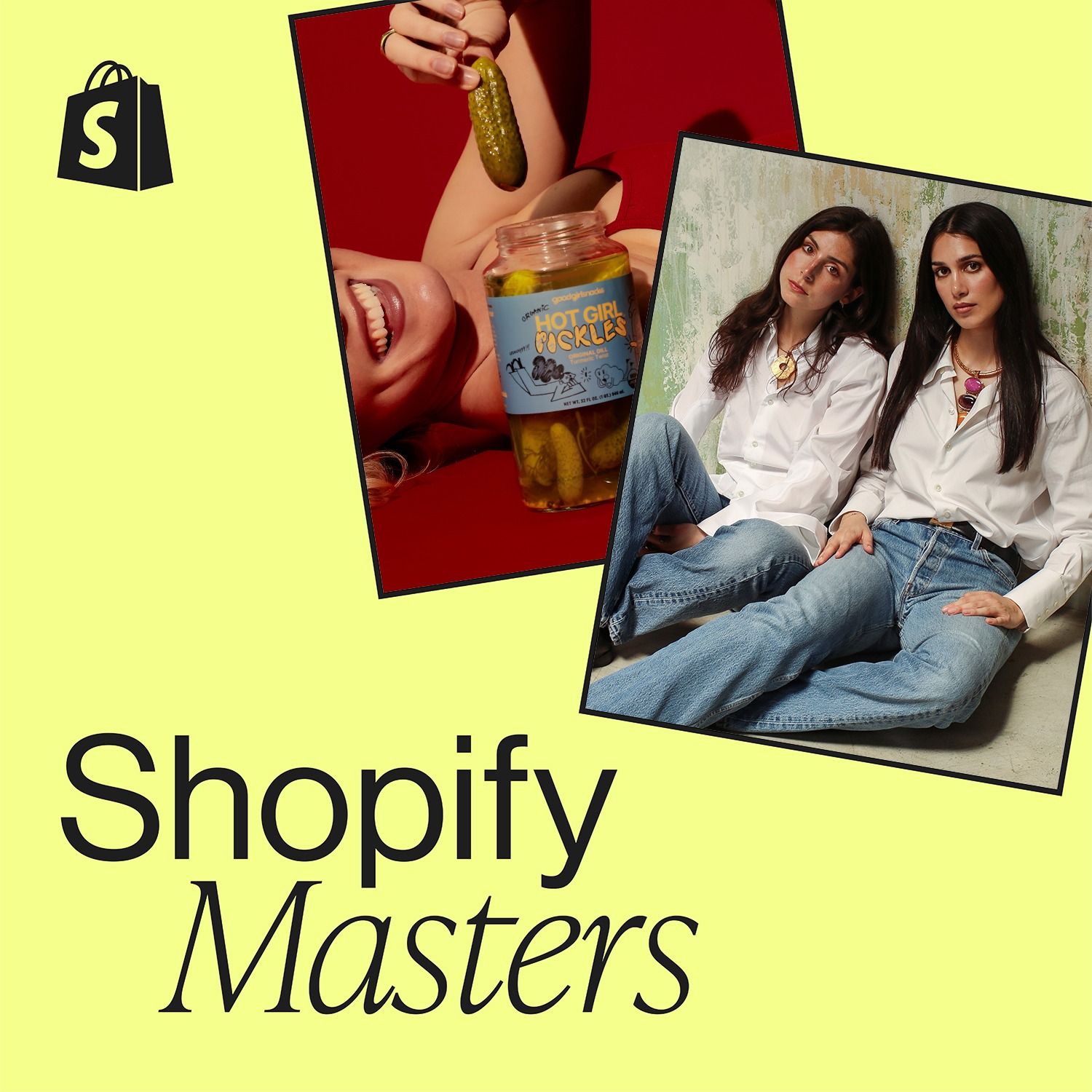
The founders identified a mismatch between the modern, Gen Z pickle consumer on TikTok and the outdated, homogenous branding on store shelves. By targeting a neglected category with bold design and unique flavors, they faced less competition and stood out to both consumers and retail buyers.
To create its complex non-alcoholic cocktails, Curious Elixirs had to first partner with food scientists to invent foundational ingredients, like non-alcoholic gentian extract, that didn't exist. True category creation required building the supply chain, not just the end product.

Bold Bean Co. found that creating a premium product in a "forgotten, dull" category like beans was a strategic advantage. The novelty makes consumers talk. People find it entertaining to become obsessed with beans, generating more word-of-mouth than launching yet another premium chocolate brand.

If your product category becomes commoditized, redefine your business around your core expertise. A kombucha maker isn't just selling a drink; they are in the 'probiotics' or 'gut health' business. This strategic reframing can unlock higher-margin opportunities like consulting and R&D.
