Get your free personalized podcast brief
We scan new podcasts and send you the top 5 insights daily.
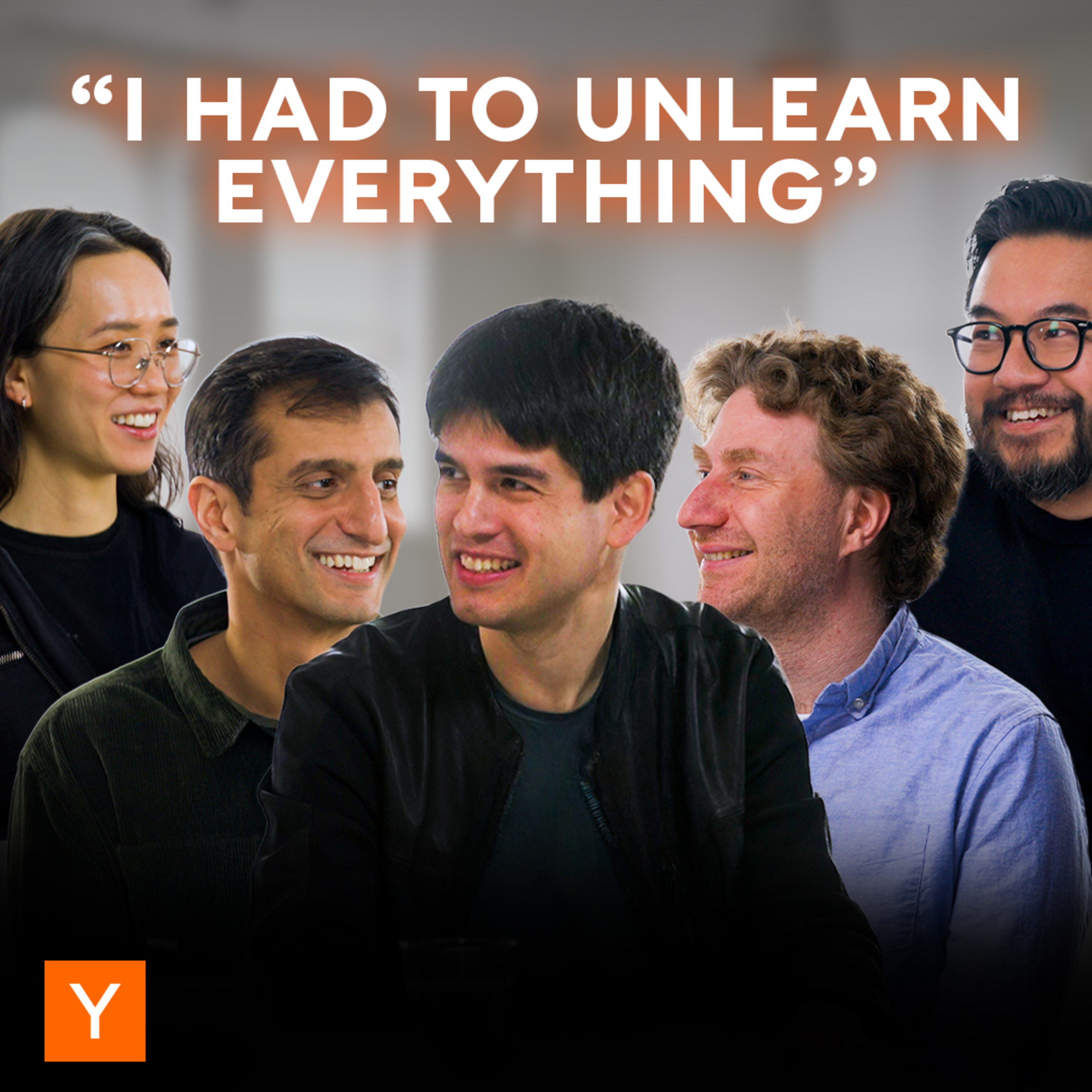
Lobster Capital's YC Roaster, an AI-powered application reviewer, demonstrates a new VC playbook. By offering a free utility, funds build brand loyalty and make founders feel valued before they even raise money, creating a powerful, early-stage deal flow advantage.

Related Insights
To win deals without an established brand, VCs can provide tangible value upfront. Sending founders a detailed, AI-generated report on their market, competitors, and website maturity before the first meeting demonstrates insight, builds credibility, and frames the VC as a valuable product partner.
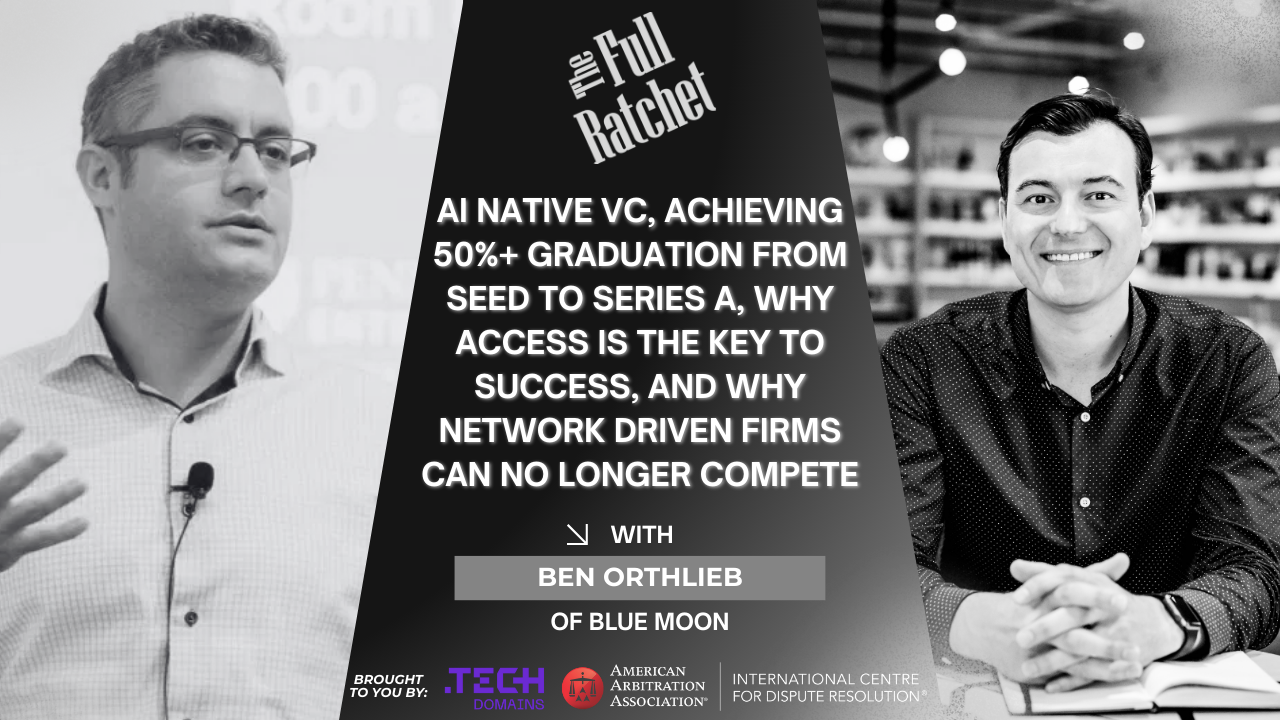
Low-cost AI tools create a new paradigm for entrepreneurship. Instead of the traditional "supervised learning" model where VCs provide a playbook, we see a "reinforcement learning" approach. Countless solo founders act as "agents," rapidly testing ideas without capital, allowing the market to reward what works and disrupting the VC value proposition.

Tools like YC Roaster, which process hundreds of accelerator applications, can generate a powerful data asset. By analyzing these submissions, a VC can spot market trends and identify promising sectors before they become public knowledge via demo days, creating a significant information advantage.
Instead of only investing in tech, Sequoia builds it. The firm employs as many developers as investors to create proprietary tools. This includes an AI system that summarizes business plans, analyzes team quality, and maps competitive dynamics, giving partners an immediate, data-rich overview of opportunities.

Founders can use AI pitch deck analyzers as a "sparring partner" to receive objective feedback and iteratively improve their narrative. This allows them to identify weaknesses and strengthen their pitch without burning valuable relationships with real VCs on a premature version.
Top-tier venture capital firms are developing internal platforms with such demonstrable results and strong reputations that founders choose them over competitors offering higher valuations, seeking access to their unique support ecosystem.
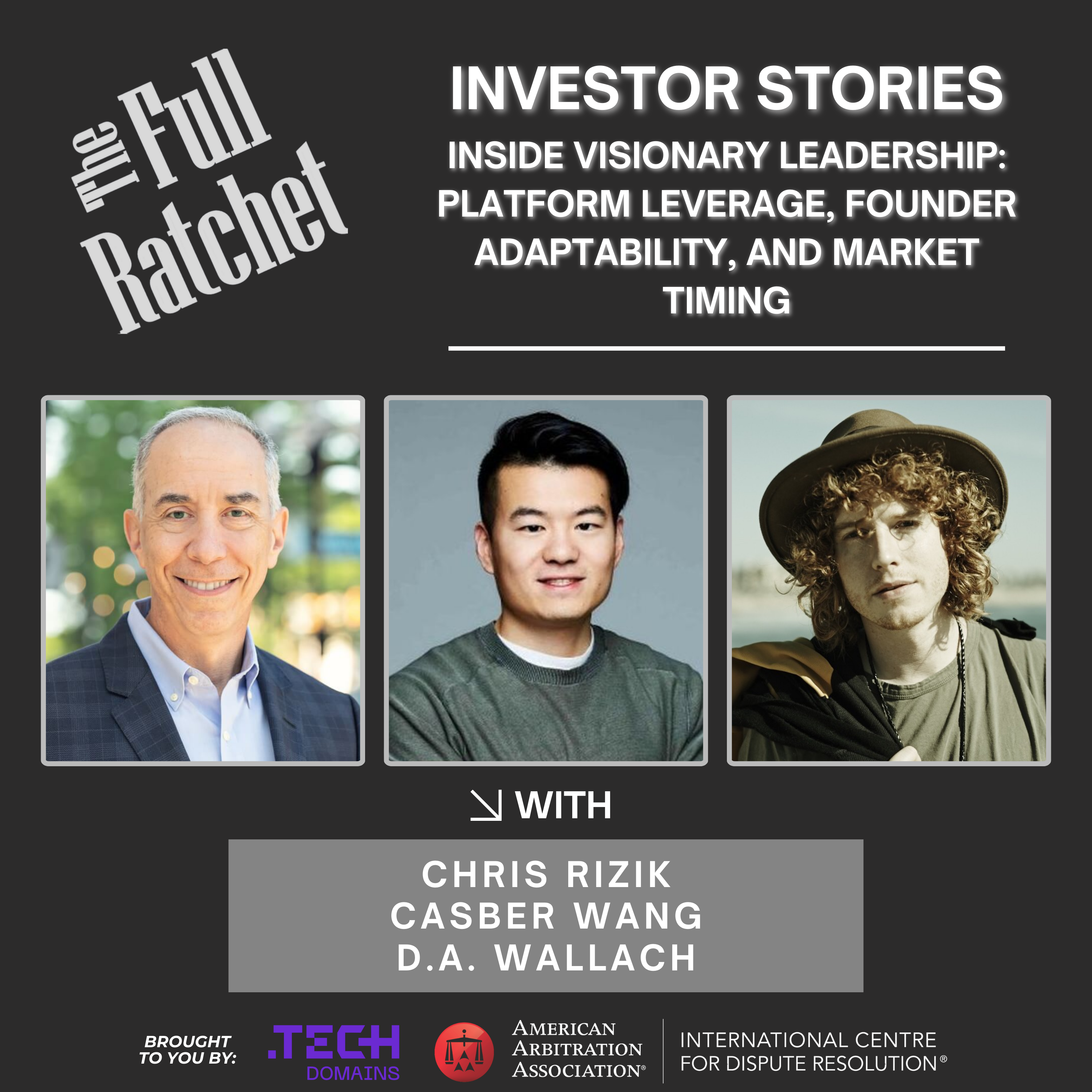
An AI-native VC firm operates like a product company, developing in-house intelligence platforms to amplify human judgment. This is a fundamental shift from simply using tools like Affinity or Harmonics, creating a defensible operational advantage in sourcing, screening, and winning deals.
To win highly sought-after deals, growth investors must build relationships years in advance. This involves providing tangible help with hiring, customer introductions, and strategic advice, effectively acting as an investor long before deploying capital.
![David George - Building a16z Growth, Investing Across the AI Stack, and Why Markets Misprice Growth - [Invest Like the Best, EP.450] thumbnail](https://megaphone.imgix.net/podcasts/8da7dbd8-ceeb-11f0-941c-ef83bcdd4c9f/image/d44107bc94719f78fbe91befb141073e.jpg?ixlib=rails-4.3.1&max-w=3000&max-h=3000&fit=crop&auto=format,compress)
Venture capital firms are leveraging AI tools like Google's NotebookLM to process deal flow. They ingest investment memos and legal documents to analyze them against their investment thesis and even simulate a preliminary legal review.

Amplitude's CEO explains how incumbents counter "feature-not-company" AI startups. They rapidly build the startup's core functionality, give it away for free, and leverage it as a powerful lead generation tool for their existing business, commoditizing the startup's value proposition overnight.