Get your free personalized podcast brief
We scan new podcasts and send you the top 5 insights daily.
To win deals without an established brand, VCs can provide tangible value upfront. Sending founders a detailed, AI-generated report on their market, competitors, and website maturity before the first meeting demonstrates insight, builds credibility, and frames the VC as a valuable product partner.
Related Insights
To preempt investor objections, founders should use AI to generate a critical investment memo on their own company. Prompting the AI to identify potential reasons for failure reveals weaknesses in the business plan and pitch, allowing founders to address them proactively before the meeting.

A16z's content strategy allowed entrepreneurs to feel like they "knew" the partners before ever meeting them. This pre-established rapport is a powerful competitive advantage, creating a baseline of trust and alignment that competitors without a public voice lack. It transforms a cold pitch into a warm conversation.

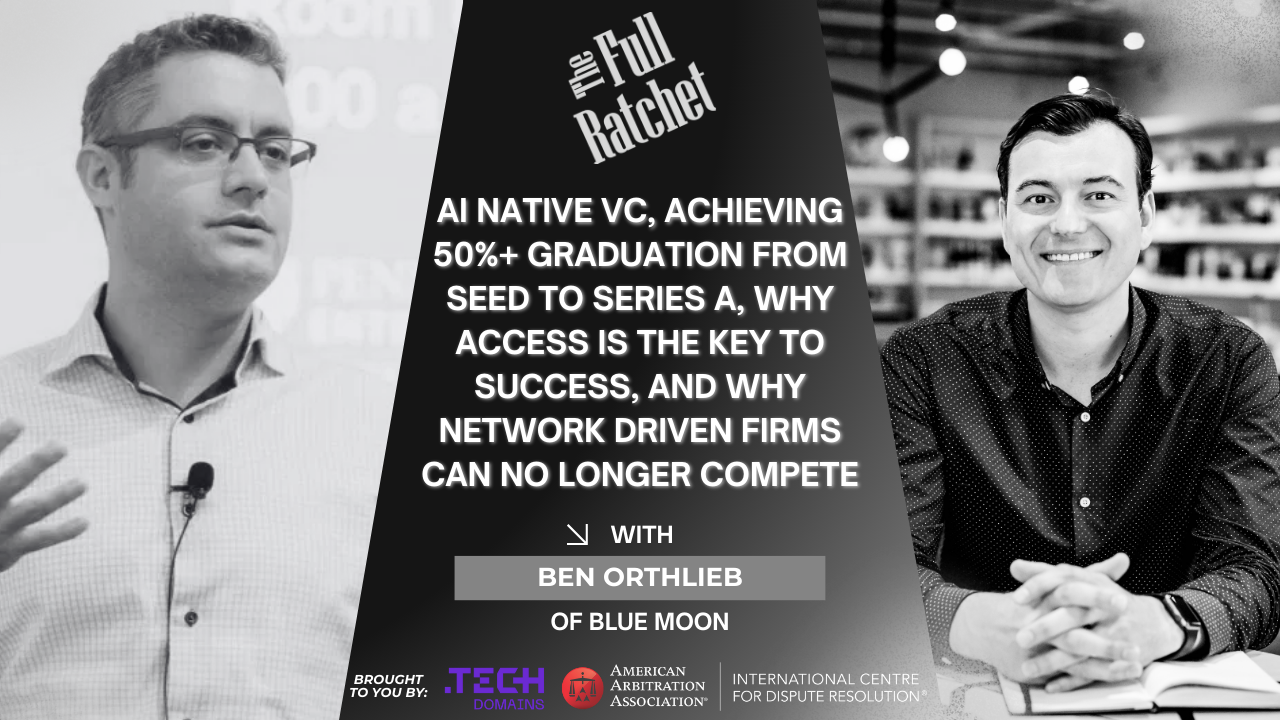
Traditional VC reliance on "differentiated networks" is obsolete as data sources and professional networks are now commodities. To compete, modern VCs must replace this outdated advantage with proprietary intelligence platforms that algorithmically source deals and identify the right signals for where to focus time.
Founders without a marketing background can bypass traditional learning curves. By using AI tools to analyze the strategies of successful competitors or admired brands, they can quickly gain a practical understanding of positioning, funnels, and messaging, and then apply those proven concepts to their own business.

Leverage AI to conduct comprehensive research on a prospect's company, industry, and the specific individuals you're meeting. This allows you to bypass basic discovery questions and dive into more relevant, informed conversations, making the sales call more efficient and valuable for the customer.

An AI-native VC firm operates like a product company, developing in-house intelligence platforms to amplify human judgment. This is a fundamental shift from simply using tools like Affinity or Harmonics, creating a defensible operational advantage in sourcing, screening, and winning deals.
To win highly sought-after deals, growth investors must build relationships years in advance. This involves providing tangible help with hiring, customer introductions, and strategic advice, effectively acting as an investor long before deploying capital.
![David George - Building a16z Growth, Investing Across the AI Stack, and Why Markets Misprice Growth - [Invest Like the Best, EP.450] thumbnail](https://megaphone.imgix.net/podcasts/8da7dbd8-ceeb-11f0-941c-ef83bcdd4c9f/image/d44107bc94719f78fbe91befb141073e.jpg?ixlib=rails-4.3.1&max-w=3000&max-h=3000&fit=crop&auto=format,compress)
Instead of walking into a pitch unprepared, Reid Hoffman advises founders to use large language models to pre-emptively critique their business idea. Prompting an AI to act as a skeptical VC helps founders anticipate tough questions and strengthen their narrative before meeting real investors.
Frame your product's value not around the underlying AI, but around the premium insight it unlocks. The key is to instantly provide an answer—like a valuation or diagnosis—that previously required significant time, money, or human expertise.

To build immediate trust and demonstrate value, QED partners engage with founders by simulating a board-level conversation from the first meeting. This "pretend I'm your investor" approach showcases their expertise and builds rapport, proving their founder-friendliness rather than just promising it.
