Get your free personalized podcast brief
We scan new podcasts and send you the top 5 insights daily.
Eric Byunn of Centana Growth advises founders to ask VCs how they would approach picking an investor if they were in the founder's position. This question is a powerful due diligence tool. Beyond providing substantive advice, the investor's response reveals their personality, approach, and ethics in navigating the inherent conflict of interest.

Related Insights
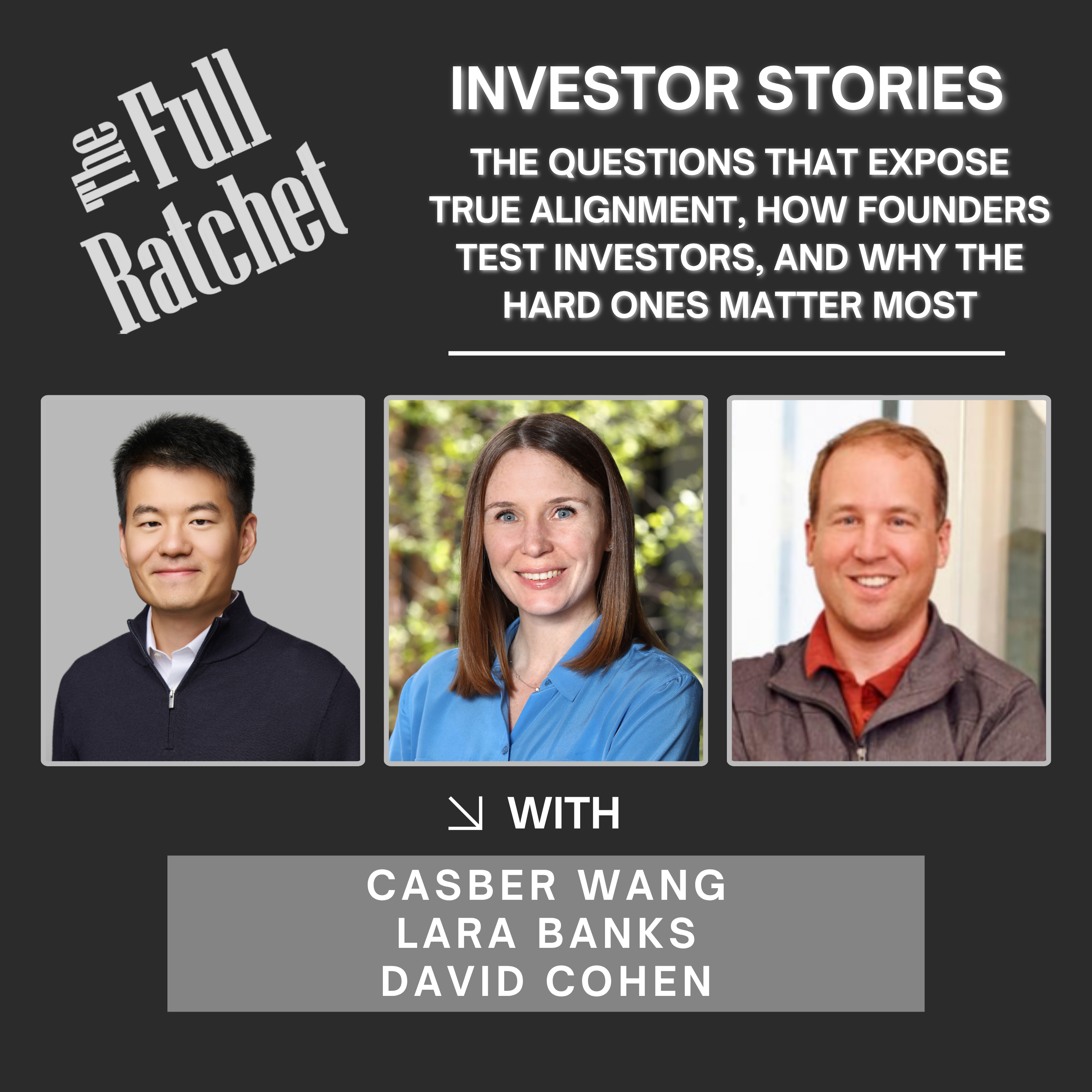
David Cohen of Techstars advises founders to request references from a VC's failed investments. This reveals how an investor behaves during difficult times, providing a more honest assessment of their character and support level than speaking only with successful founders.
Gilly Shwed’s founder interview technique focuses on understanding the motivations behind past actions. He believes this meta-level questioning provides deeper insights into a founder's character and decision-making framework than a simple recitation of accomplishments.

Founders should press VCs on how they specifically envision working together. A strong investor can articulate a nuanced plan tailored to the team's unique needs and the founder's working style, moving beyond a generic menu of services to show true alignment and understanding of the business's goals.
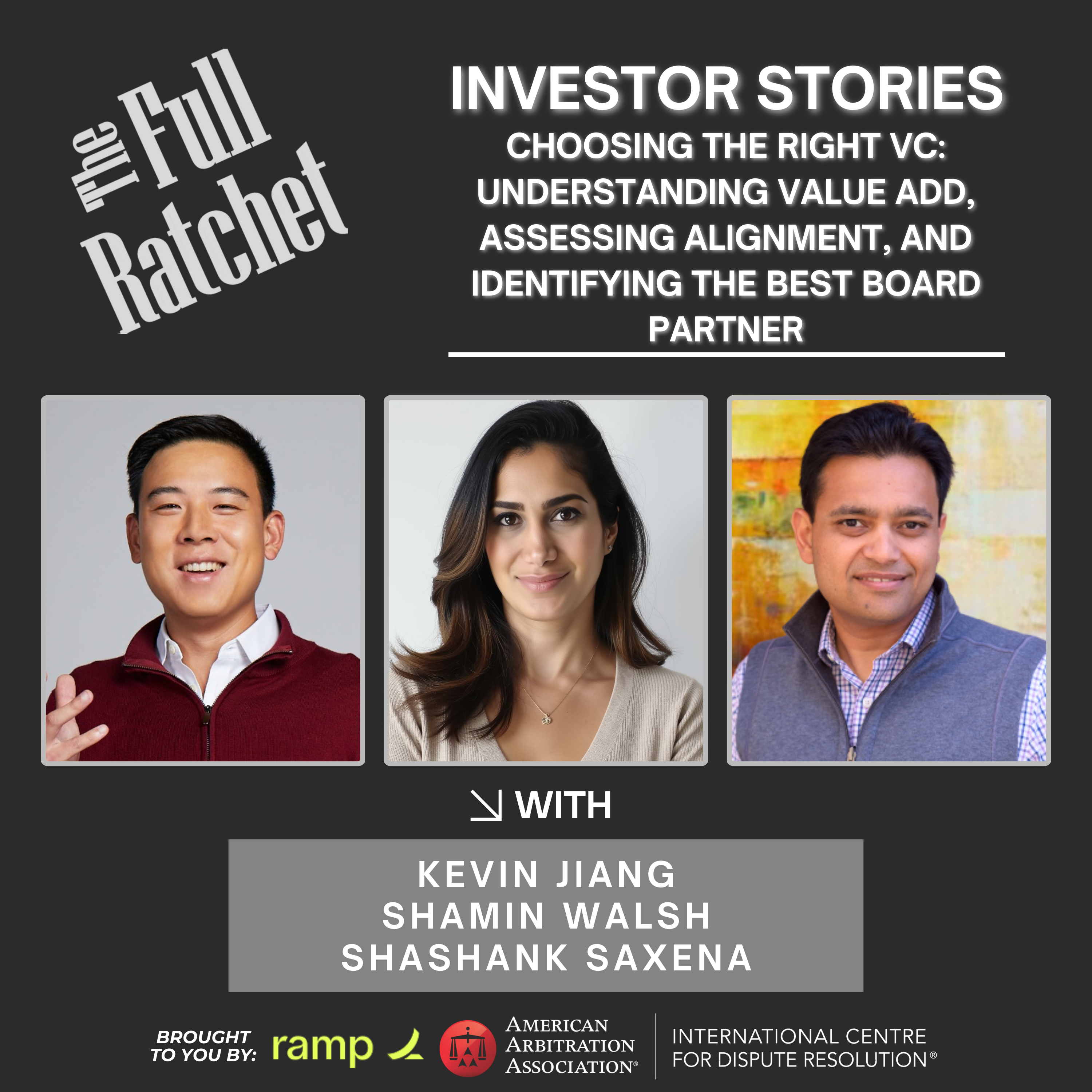
When fundraising, the most critical choice isn't the VC fund's brand but the specific partner who will join the board. Sophisticated founders vet the individual's strengths, weaknesses, and working style, as that person has a more direct impact on the company than the firm's logo on a term sheet.
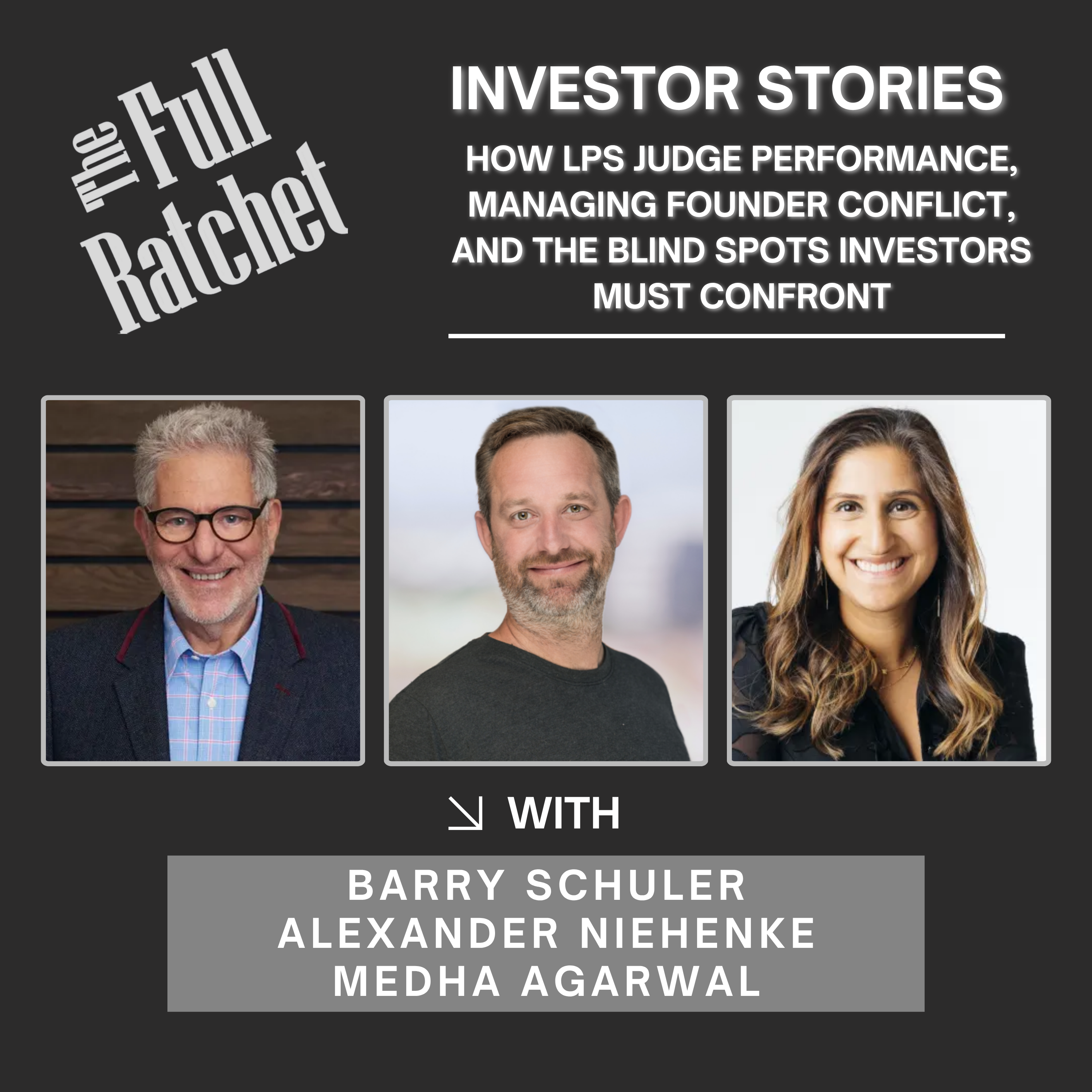
A founder asking an investor about their biggest blind spot during evaluation is a disarming and intelligent question. As shared by Maytha Agarwal of Defy, it forces the VC to self-audit their decision-making process in real-time, revealing their introspection and leading to a more honest, transparent conversation.
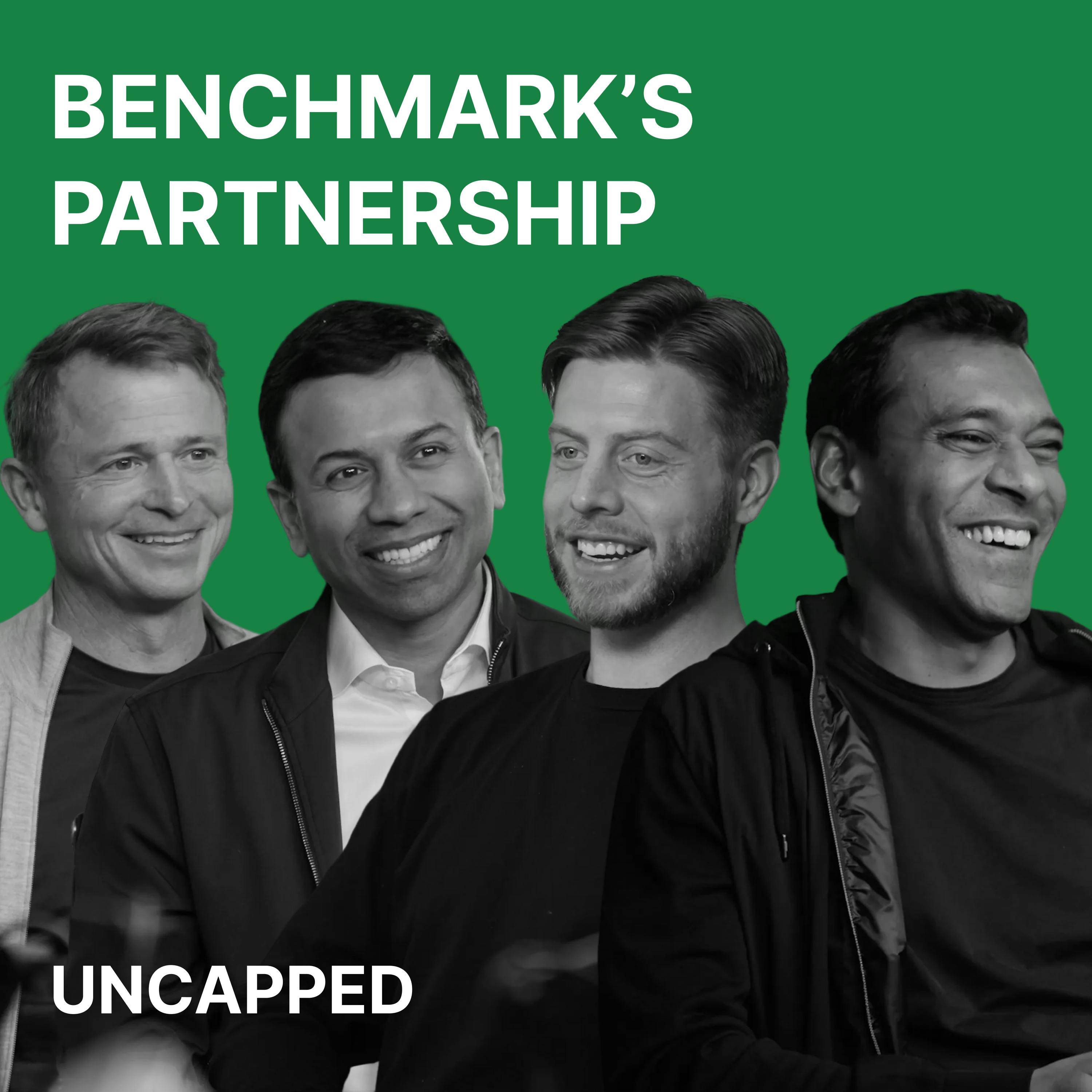
The most valuable role for a board member isn't giving advice, but acting as a "sparring partner." This involves asking sharp questions that help founders surface their own insights and gain clarity on ideas they already hold, especially when navigating uncharted territory.
To win allocations, VCs should move beyond product and market discussions to a deeply personal conversation about what irrationally drives a founder. Most VCs don't ask about this, and exploring these core motivations builds a unique relationship that secures a spot in the round.
Proactively asking a potential investor how they navigate disagreements reveals their philosophy on board governance and CEO autonomy. Investor Alex Nihanky of Scale notes the CEO is the "runner" and the tie should go to them, but not all investors share this view. This question helps founders vet investor fit before a conflict arises.
Reframe the pitch meeting from a judgment session to a mutual evaluation. Founders are selecting a partner for 7-10 years and must assess the investor for chemistry and fit, rather than just seeking capital from a position of need.

During due diligence on a venture firm, asking portfolio founders why they chose that investor is critical. If the answer is simply "they had money," it implies the VC offers no strategic value—like recruiting help or corporate relationships—and is not a top-tier partner.
