Get your free personalized podcast brief
We scan new podcasts and send you the top 5 insights daily.
To win allocations, VCs should move beyond product and market discussions to a deeply personal conversation about what irrationally drives a founder. Most VCs don't ask about this, and exploring these core motivations builds a unique relationship that secures a spot in the round.
Related Insights
The first conversation with a target CEO shouldn't focus on the deal. Instead, focus on their personal story to uncover their core motivation—money, legacy, or team success. This "why" provides the key to framing the acquisition in a way that resonates with them and dictates the entire negotiation strategy.

To win the best pre-seed deals, investors should engage high-potential talent during their 'founder curious' phase, long before a formal fundraise. The real competition is guiding them toward conviction on their own timeline, not battling other VCs for a term sheet later.
Drawing an analogy to legendary music producer Rick Rubin, an investor's role is to help a founder find the most authentic and compelling version of their own story. The goal is not to invent a narrative, but to draw out the founder's core truth and channel it through their company.
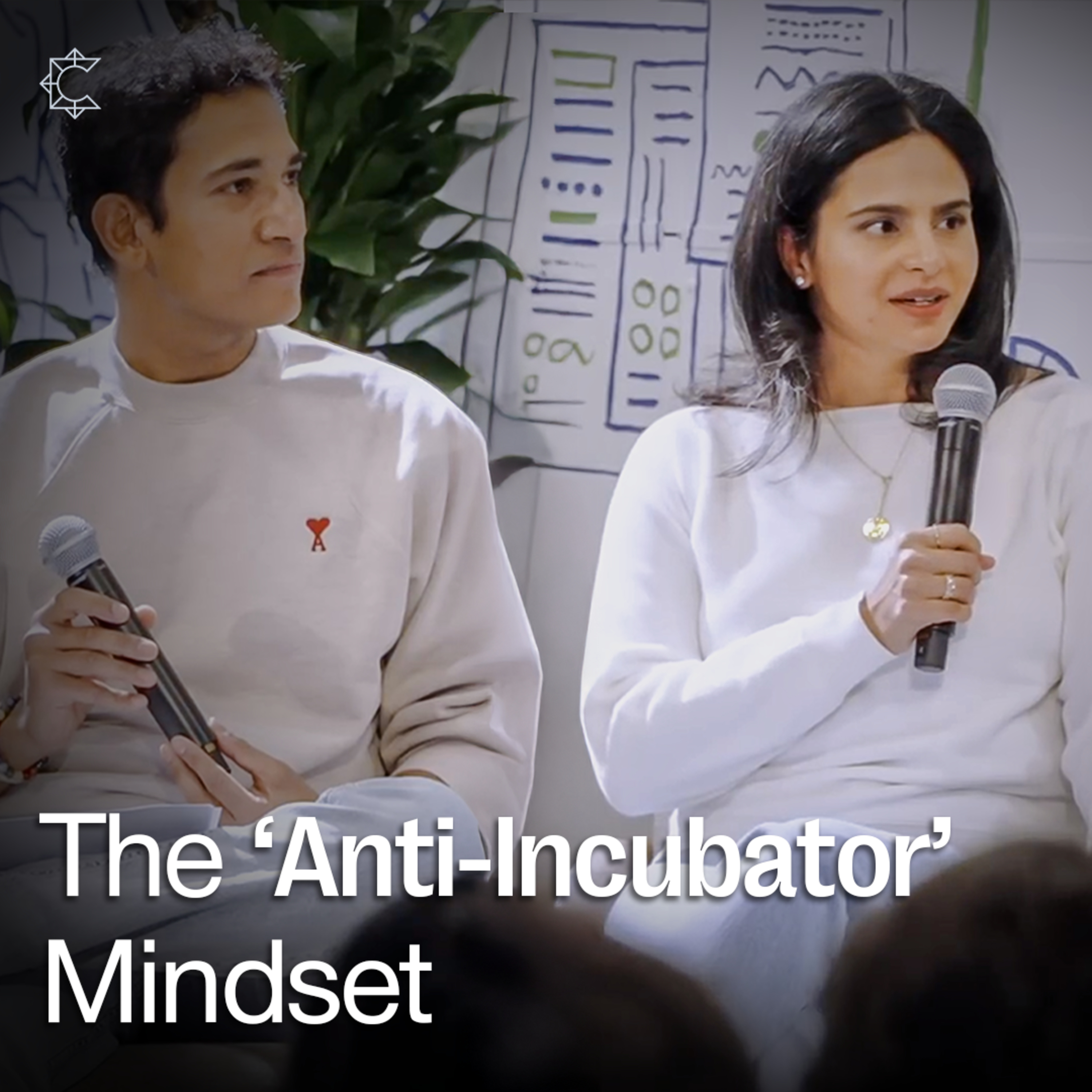
When a venture capitalist asks a profound, introspective question (e.g., about your siblings), it might not be for evaluating you. Instead, it's a clever tactic to build rapport and make you feel understood, increasing the likelihood you'll choose them in a competitive funding round.

Founders should press VCs on how they specifically envision working together. A strong investor can articulate a nuanced plan tailored to the team's unique needs and the founder's working style, moving beyond a generic menu of services to show true alignment and understanding of the business's goals.
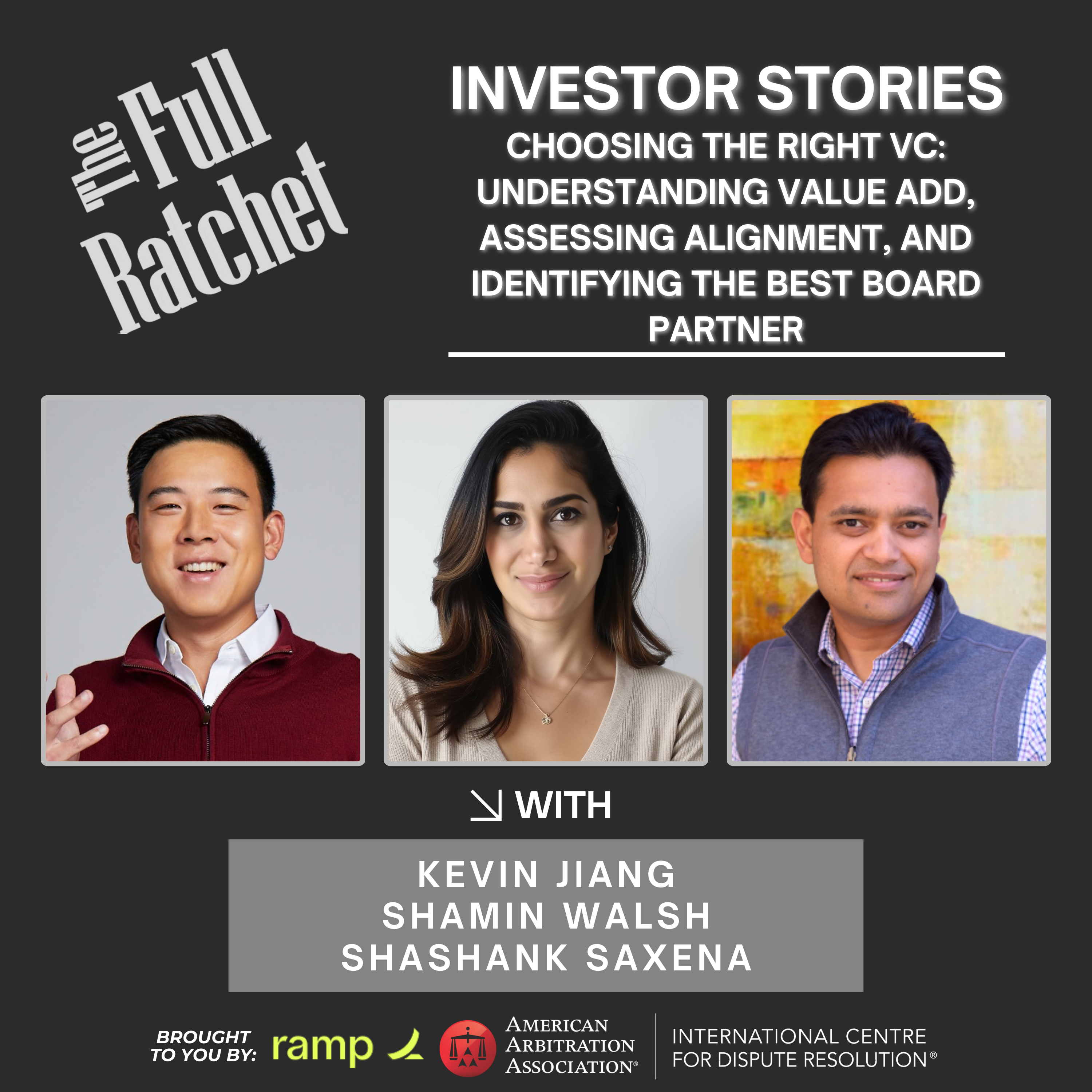
Instead of coaching unconventional founders to be more palatable for mainstream Series A investors, early backers should encourage them to lean into their unique traits. The investor's role is to help them find the right future partners who appreciate their peculiar worldview, not to change it.
A founder asking an investor about their biggest blind spot during evaluation is a disarming and intelligent question. As shared by Maytha Agarwal of Defy, it forces the VC to self-audit their decision-making process in real-time, revealing their introspection and leading to a more honest, transparent conversation.

Great founders possess a deep-seated, non-financial motivation—like revenge against former rivals or redemption from a past failure. This "Count of Monte Cristo" drive allows them to persevere through extreme hardship and turn down lucrative but premature exits, a key trait VCs look for.

The most driven entrepreneurs are often fueled by foundational traumas. Understanding a founder's past struggles—losing family wealth or social slights—provides deep insight into their intensity, work ethic, and resilience. It's a powerful, empathetic tool for diligence beyond the balance sheet.
![Martín Escobari - Inside General Atlantic - [Invest Like the Best, EP.449] thumbnail](https://megaphone.imgix.net/podcasts/90e6e3e6-c984-11f0-ae5f-27bb851bdc56/image/608fac468f77cb3014e96336896d96de.jpg?ixlib=rails-4.3.1&max-w=3000&max-h=3000&fit=crop&auto=format,compress)
The most effective fundraising strategy isn't a rigid, time-boxed "process." Instead, elite founders build genuine relationships with target VCs over months. When it's time to raise, the groundwork is laid, turning the fundraise into a quick, casual commitment rather than a competitive, game-driven event.