Get your free personalized podcast brief
We scan new podcasts and send you the top 5 insights daily.
Proactively asking a potential investor how they navigate disagreements reveals their philosophy on board governance and CEO autonomy. Investor Alex Nihanky of Scale notes the CEO is the "runner" and the tie should go to them, but not all investors share this view. This question helps founders vet investor fit before a conflict arises.

Related Insights
In a non-control deal, an investor cannot fire management. Therefore, the primary diligence focus must shift from the business itself to the founder's character and the potential for a strong partnership, as this relationship is the ultimate determinant of success.

Unlike in private equity, an early-stage venture investment is a bet on the founder. If an early advisor, IP holder, or previous investor holds significant control, it creates friction and hinders the CEO's ability to execute. QED's experience shows that these situations are untenable and should be avoided.

With high partner turnover at large venture firms, a key diligence question for founders is whether the specific partner joining their board is likely to remain at that firm. A partner's departure can be highly disruptive, making their stability more important than firm brand.

To ensure robust decision-making, Eclipse requires that if a partner feels strongly against a potential investment, they must join the deal team alongside the champions. This forces a direct confrontation of the risks and ensures that by the time an investment is made, all major concerns have been addressed.
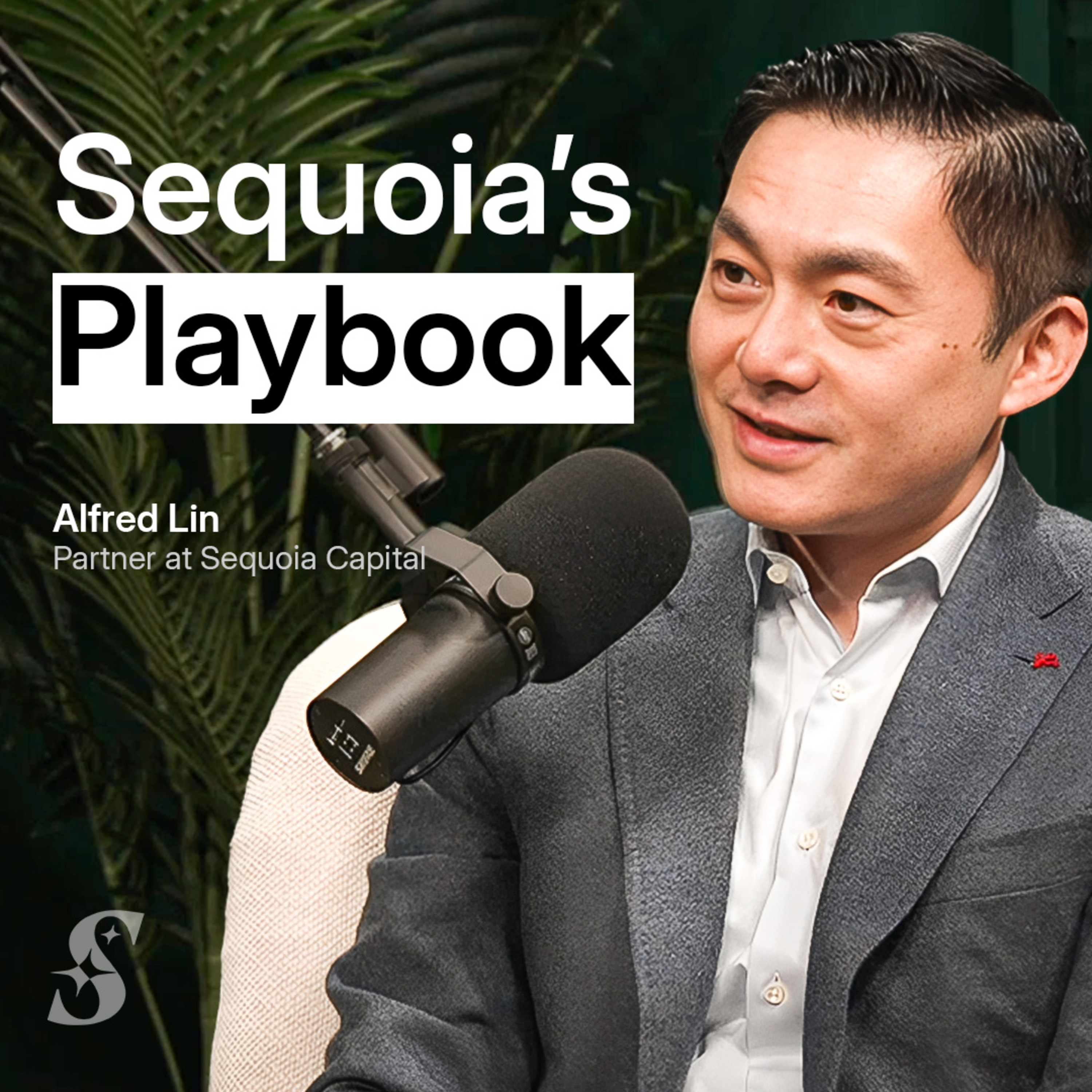
Alfred Lin's framework for board members is to be supportive 'shock absorbers' during hardships, helping founders pick up the pieces. When the company is succeeding, they become 'sparring partners' to challenge founders, prevent complacency, and push the business to the next level.
To predict the future health of a partnership, intentionally have difficult conversations before any investment is made. If you can't productively disagree or discuss serious problems before you're formally linked, it's highly unlikely you'll be able to do so when the stakes are higher post-investment.

A founder asking an investor about their biggest blind spot during evaluation is a disarming and intelligent question. As shared by Maytha Agarwal of Defy, it forces the VC to self-audit their decision-making process in real-time, revealing their introspection and leading to a more honest, transparent conversation.
To ensure the "triumph of ideas, not the triumph of seniority," Sequoia uses anonymized inputs for strategic planning and initial investment votes. This forces the team to debate the merits of an idea without being influenced by who proposed it, leveling the playing field.

An investor's power over a portfolio company is fundamentally limited and primarily negative. While a VC can block a founder's actions, such as through board approval or withholding capital, they cannot force a founder to take a specific path, even if it seems obviously correct. The role is to advise and assist, not to command or execute.

While it's crucial to listen to markets and clients, founders must also be prepared to stick to their convictions when investors, who may not be specialists in their niche, offer conflicting advice. Knowing when to listen and when to hold firm is a key startup skill.