Get your free personalized podcast brief
We scan new podcasts and send you the top 5 insights daily.
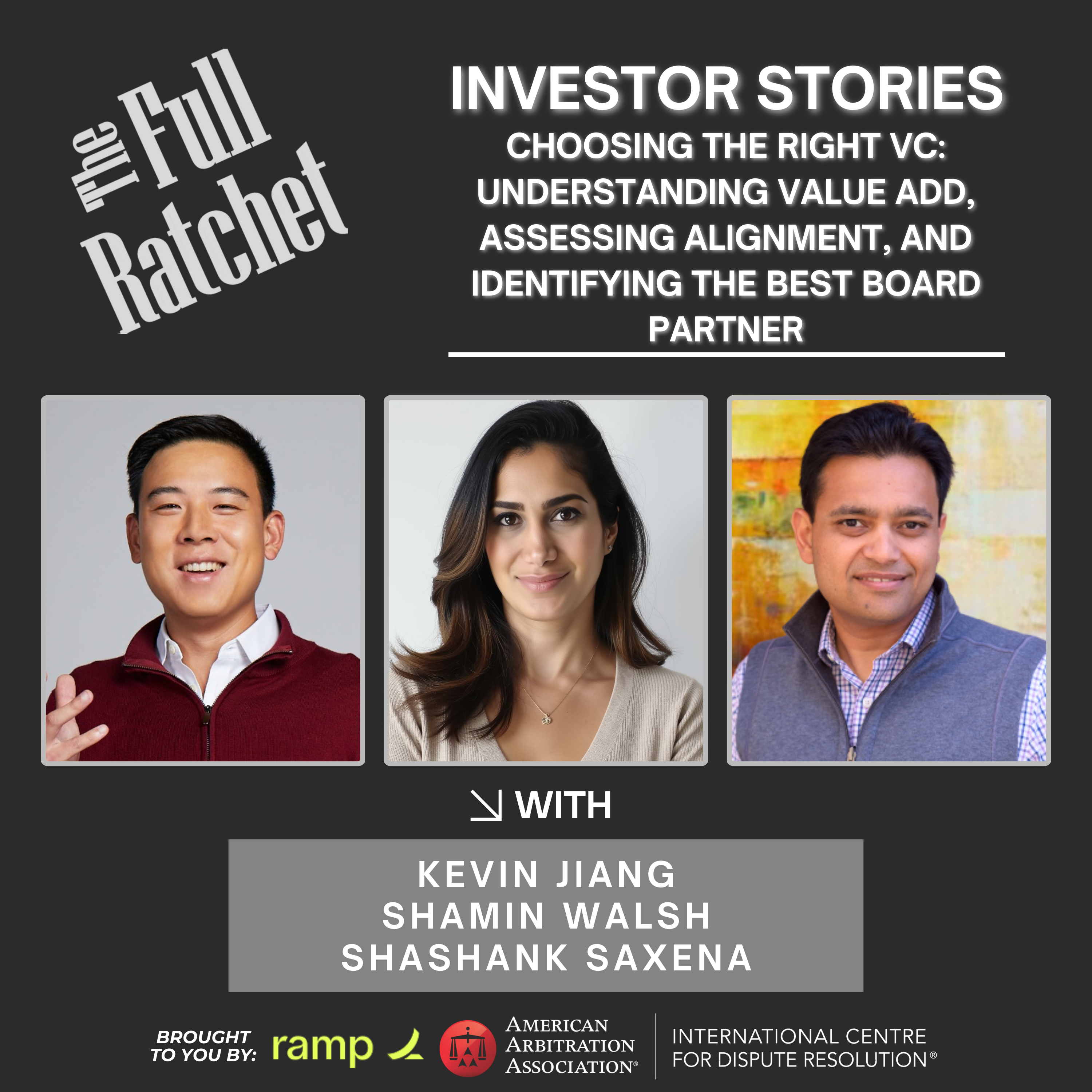
Founders should press VCs on how they specifically envision working together. A strong investor can articulate a nuanced plan tailored to the team's unique needs and the founder's working style, moving beyond a generic menu of services to show true alignment and understanding of the business's goals.
Related Insights
To vet potential investors or acquirers, founders should ask them to articulate their vision for the startup's next five years. Hearing their story told through the buyer's eyes reveals the depth of their strategic thinking and helps assess whether their vision aligns with the founder's, ensuring a better post-transaction fit.

Drawing an analogy to legendary music producer Rick Rubin, an investor's role is to help a founder find the most authentic and compelling version of their own story. The goal is not to invent a narrative, but to draw out the founder's core truth and channel it through their company.

Value-add isn't a pitch deck slide. Truly helpful investors are either former operators who can empathize with the 0-to-1 struggle, or they actively help you get your first customers. They are the first call in a crisis or the ones who will vouch for you on a reference call when you have no other credibility.

When fundraising, the most critical choice isn't the VC fund's brand but the specific partner who will join the board. Sophisticated founders vet the individual's strengths, weaknesses, and working style, as that person has a more direct impact on the company than the firm's logo on a term sheet.
Instead of coaching unconventional founders to be more palatable for mainstream Series A investors, early backers should encourage them to lean into their unique traits. The investor's role is to help them find the right future partners who appreciate their peculiar worldview, not to change it.
Rather than imposing processes after investing, VCs can use frameworks like the "sales sprint" as a pre-investment litmus test. Sharing the approach and observing the founder's reaction reveals their mindset. A founder who is eager to adopt a disciplined, customer-centric process is a stronger bet than one who must be forced into it.

Competing to be a founder's "first call" is a crowded, zero-sum game. A more effective strategy is to be the "second call"—the specialist a founder turns to for a specific, difficult problem after consulting their lead investor. This positioning is more scalable, collaborative, and allows for differentiated value-add.

Most VCs fail at talent support by simply matching logos on a resume to a portfolio company. A better model is to first embed operators (e.g., fractional sales leaders) into the startup. This provides the deep, nuanced context required to find candidates who fit the specific business and culture, leading to better hiring outcomes.

To build immediate trust and demonstrate value, QED partners engage with founders by simulating a board-level conversation from the first meeting. This "pretend I'm your investor" approach showcases their expertise and builds rapport, proving their founder-friendliness rather than just promising it.

Great founders turn a pitch into a collaborative discussion by asking investors to identify business weaknesses. This signals curiosity, strength, and a desire for genuine feedback over just presenting a perfect picture. It demonstrates a coachable leader who is focused on gathering data to improve.