Get your free personalized podcast brief
We scan new podcasts and send you the top 5 insights daily.
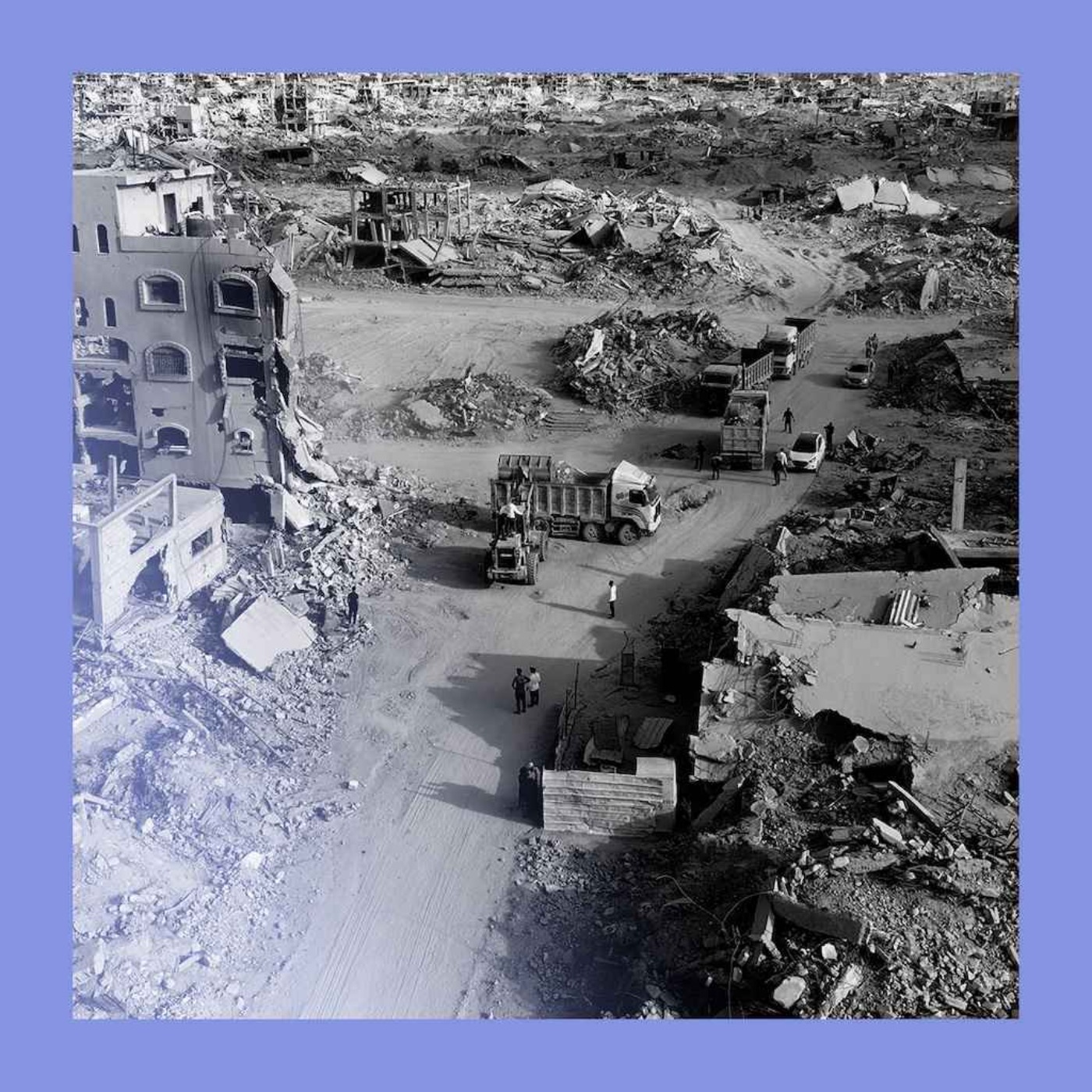
International peace blueprints designated a committee of Palestinian technocrats to assume civil administration in Gaza. However, because Israeli authorities prevent the committee from entering from Egypt, Hamas remains in control of local ministries while police operate in plain clothes to avoid air strikes.

Related Insights
The Israeli withdrawal from Gaza, without Hamas being disarmed or an international force in place, creates a space for violent clashes. Hamas, armed gangs, and powerful clans are already competing for control, illustrating a critical risk in phased peace plans where security is not transferred seamlessly.

Despite a comprehensive Egyptian-led rebuilding plan, wealthy Gulf monarchies refuse to provide the necessary $55 billion. They will not invest funds that could be destroyed in a future conflict, making Hamas's disarmament a non-negotiable prerequisite for any major rebuilding effort to begin.
Israeli PM Netanyahu's acceptance of the peace plan is a study in contradiction. While publicly endorsing the deal, he immediately rejected a key component: a role for the Palestinian Authority in post-war Gaza. This tactic creates 'wiggle room' and signals a lack of genuine buy-in, challenging the deal's future.
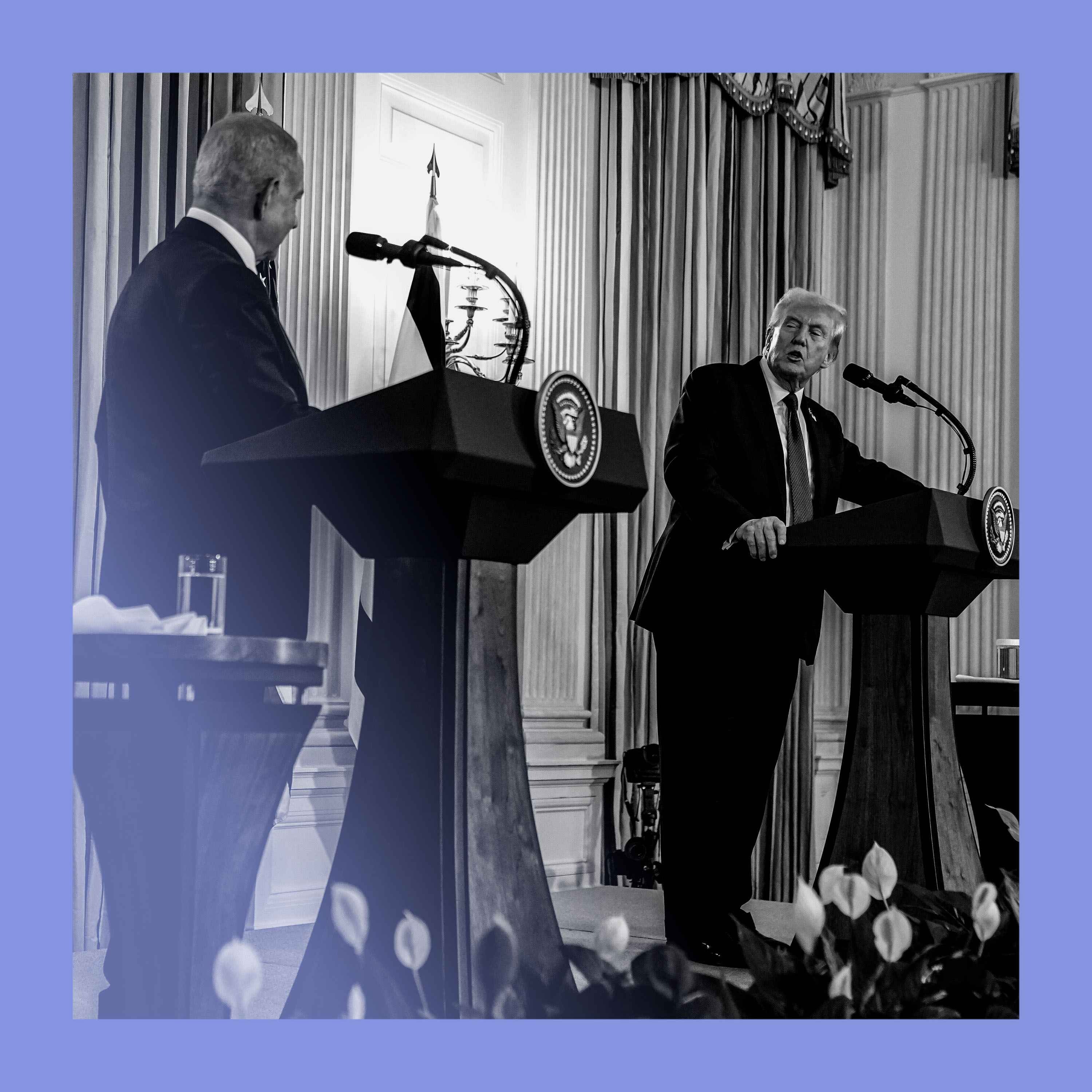
Both Israeli and Hamas leaders face domestic constraints that undermine peace efforts. Netanyahu fears disrupting his far-right coalition before an election, while Hamas is pressured by its patrons to cooperate but is unwilling to relinquish its power or weapons, creating a diplomatic stalemate.
The viability of a two-state solution depends entirely on the nature of the new Palestinian government. A state cannot achieve stability if it is run by a terrorist organization like Hamas. The international community's push for statehood is meaningless without addressing the internal governance that perpetuates violence.

The breakthrough was achieved by splitting the agreement into phases. The initial, easier phase focuses on hostage release and partial withdrawal. The most contentious issues, like post-war governance and Hamas's disarmament, were intentionally postponed, creating both immediate success and future risk.

Former PA Prime Minister Salam Fayyad argues the focus on political conditions like Hamas's disarmament has overshadowed the immediate, catastrophic need to improve the livelihoods of people in Gaza, who lack shelter, food, and water. This prioritization of politics over people is the key failure post-ceasefire.

Fayyad recalls his angry initial reaction to a U.S. proposal for a technocratic committee to govern post-war Gaza. He argues the plan was fundamentally flawed because it presumed Hamas could be completely eliminated—an impossible goal whose pursuit would lead to catastrophic loss of life.
The 20-point plan calls for an international force to disarm Hamas. However, a negotiator revealed that no country has actually committed troops to this force. This critical gap in implementation threatens the entire long-term viability of the deal, as it is unclear who would enforce disarmament.
High-profile peace announcements, like the Trump-brokered Gaza deal, can be misleading. Critical details such as the sequence of actions and the authority of new governing bodies remain contentious, with both parties deeply skeptical and waiting for the other to violate the terms.