Get your free personalized podcast brief
We scan new podcasts and send you the top 5 insights daily.
High-profile peace announcements, like the Trump-brokered Gaza deal, can be misleading. Critical details such as the sequence of actions and the authority of new governing bodies remain contentious, with both parties deeply skeptical and waiting for the other to violate the terms.

Related Insights
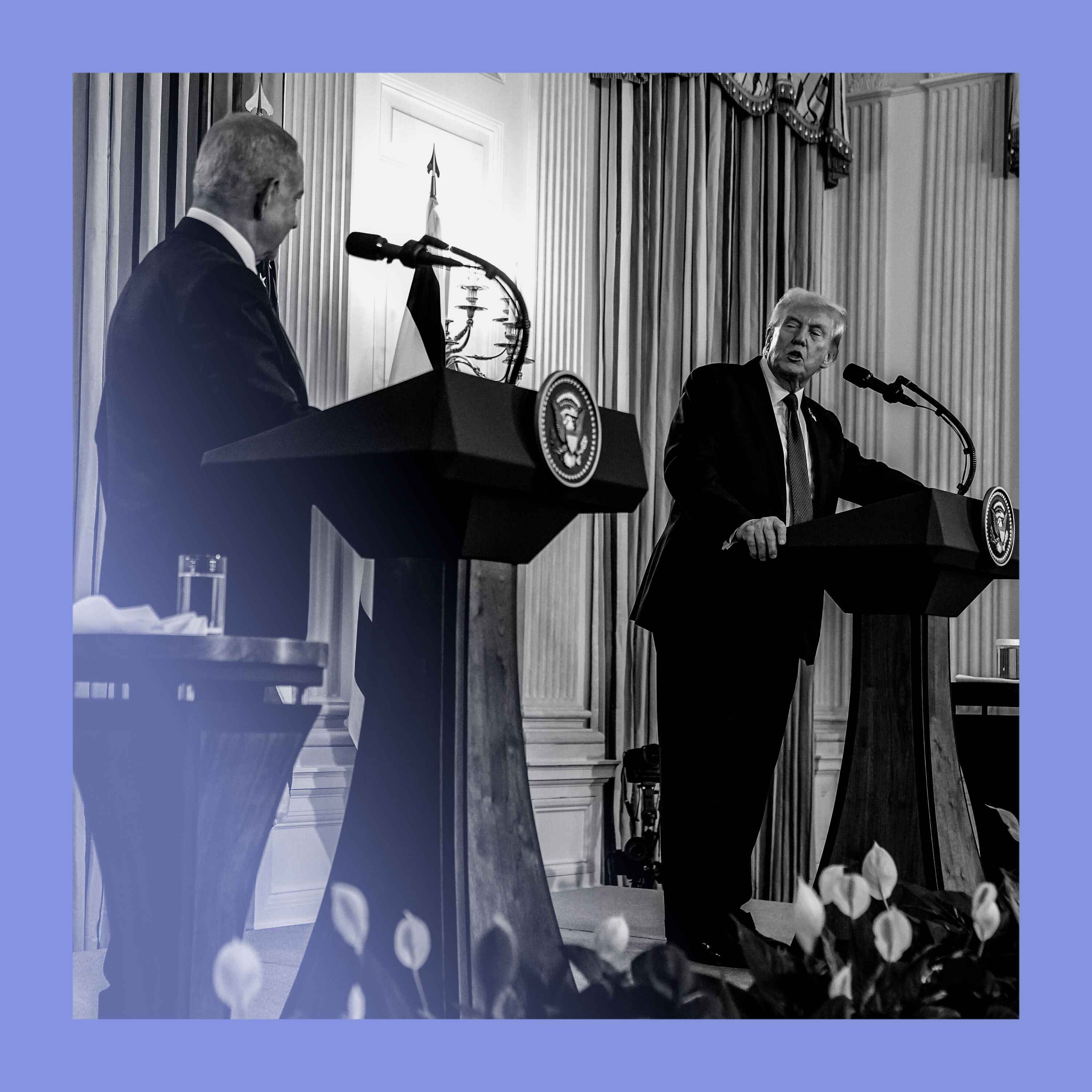
Israeli PM Netanyahu's acceptance of the peace plan is a study in contradiction. While publicly endorsing the deal, he immediately rejected a key component: a role for the Palestinian Authority in post-war Gaza. This tactic creates 'wiggle room' and signals a lack of genuine buy-in, challenging the deal's future.
The US-Iran agreement is a "deal to do more deal making," deferring critical issues like the nuclear program and long-term sanctions. This approach secures short-term stability but fails to resolve underlying conflicts, creating a high probability that the crisis will re-ignite once the interim negotiation period ends.

The Iran-US memorandum failed because a key phrase, "safe passage," was interpreted differently by each side, leading to renewed conflict. This highlights how diplomatic ambiguity can be a source of instability rather than a tool for compromise, turning intended solutions into the next source of dispute.

The Trump-Xi summit appeared successful because it carefully avoided substantive engagement on the most difficult issues like Taiwan and trade imbalances. By creating positive atmospherics and "kicking the can down the road" on intractable problems, both leaders could claim a victory without making real concessions.

The proposed peace deal’s elements have been discussed for months. The breakthrough isn't the plan itself, but President Trump's willingness to strong-arm Israeli Prime Minister Netanyahu into agreement, a tactic previously avoided by both Trump and his predecessor Joe Biden.
Both Israeli and Hamas leaders face domestic constraints that undermine peace efforts. Netanyahu fears disrupting his far-right coalition before an election, while Hamas is pressured by its patrons to cooperate but is unwilling to relinquish its power or weapons, creating a diplomatic stalemate.
Donald Trump's diplomatic strategy in the Middle East relied on vague, insubstantial Memorandums of Understanding (MOUs). This approach, seen in conflicts involving Iran, Yemen, and Gaza, fails to resolve core issues, leaving room for uncertainty and an eventual return to conflict because no concrete commitments are made upfront.
The breakthrough was achieved by splitting the agreement into phases. The initial, easier phase focuses on hostage release and partial withdrawal. The most contentious issues, like post-war governance and Hamas's disarmament, were intentionally postponed, creating both immediate success and future risk.

Instead of bridging conflicting narratives, Donald Trump broke a negotiation impasse by unilaterally declaring Hamas's ambiguous response a success. By imposing a new narrative that "everybody wants peace," he preempted objections and forced both sides to proceed, demonstrating how a powerful actor can create momentum by defining reality.
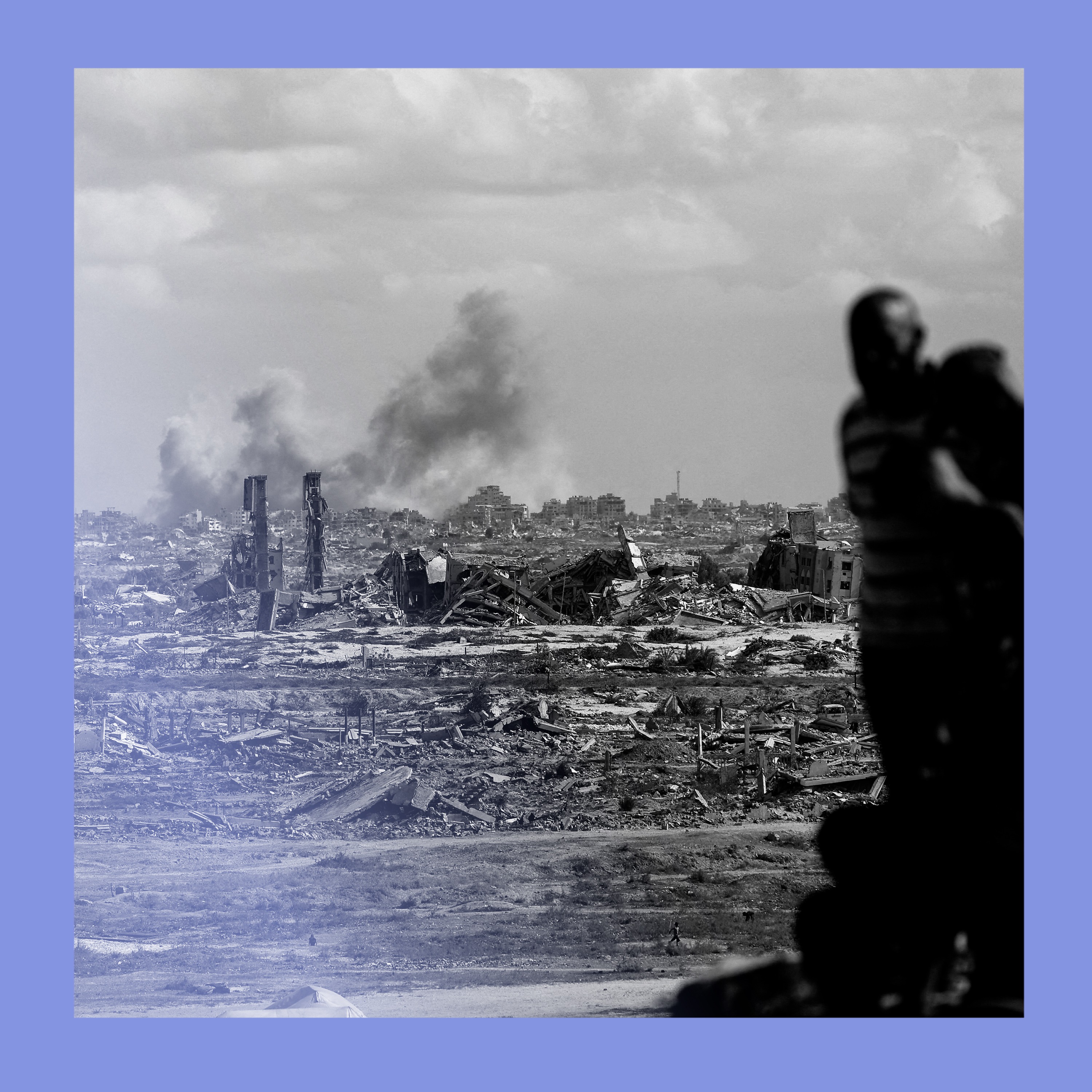
The 20-point plan calls for an international force to disarm Hamas. However, a negotiator revealed that no country has actually committed troops to this force. This critical gap in implementation threatens the entire long-term viability of the deal, as it is unclear who would enforce disarmament.