Get your free personalized podcast brief
We scan new podcasts and send you the top 5 insights daily.
Trump has a history of taking actions that foreign policy experts warned would backfire, only for those warnings not to materialize. This track record likely created an overconfidence in his own instincts, causing him to disregard or underestimate the unique dangers of a military confrontation with Iran.

Related Insights
A major part of Trump's political brand was his opposition to costly, "endless wars" and nation-building. The large-scale military operation in Iran represents a complete departure from this philosophy, raising questions about what prompted such a fundamental and unexplained shift in his foreign policy.
The US military buildup against Iran is interpreted not as an inevitable prelude to war, but as a high-stakes 'game of chicken.' The primary goal for President Trump is likely to exert maximum pressure to force Iran into a diplomatic deal with major concessions, making war a secondary, less preferable option.

The administration aggressively talks about regime change, making promises to the Iranian opposition. However, the military actions and follow-up policies are not scaled to achieve this ambitious goal, creating a strategic disconnect that undermines the operation's credibility and clarity of purpose.
The administration sent deeply contradictory messages about Iran's nuclear capabilities. One official claimed Iran was a week from a bomb's worth of uranium, while Trump himself said the program was "blown to smithereens." This strategic ambiguity or internal division makes it impossible to discern a coherent policy or the true urgency of the threat.

The "TACO" acronym serves as a predictive model for Trump's foreign policy. It suggests a pattern of aggressive posturing and military action followed by a rapid search for a diplomatic "off-ramp" once resistance is met. Markets and adversaries can anticipate this behavior, expecting a short conflict despite initial escalation.
Presidential decisions, such as the strike on Iran, may stem from a simplistic, personal "tit for tat" logic rather than complex geopolitical strategy. The President's own statement that "the Ayatollah tried to kill him" is seen as the direct, personal motivation for a major military action.

President Trump repeatedly takes actions that foreign policy experts predict will be catastrophic. When these gambles do not result in the worst-case scenario, it reinforces his unconventional approach in the public eye and erodes the credibility of traditional institutions and their warnings.
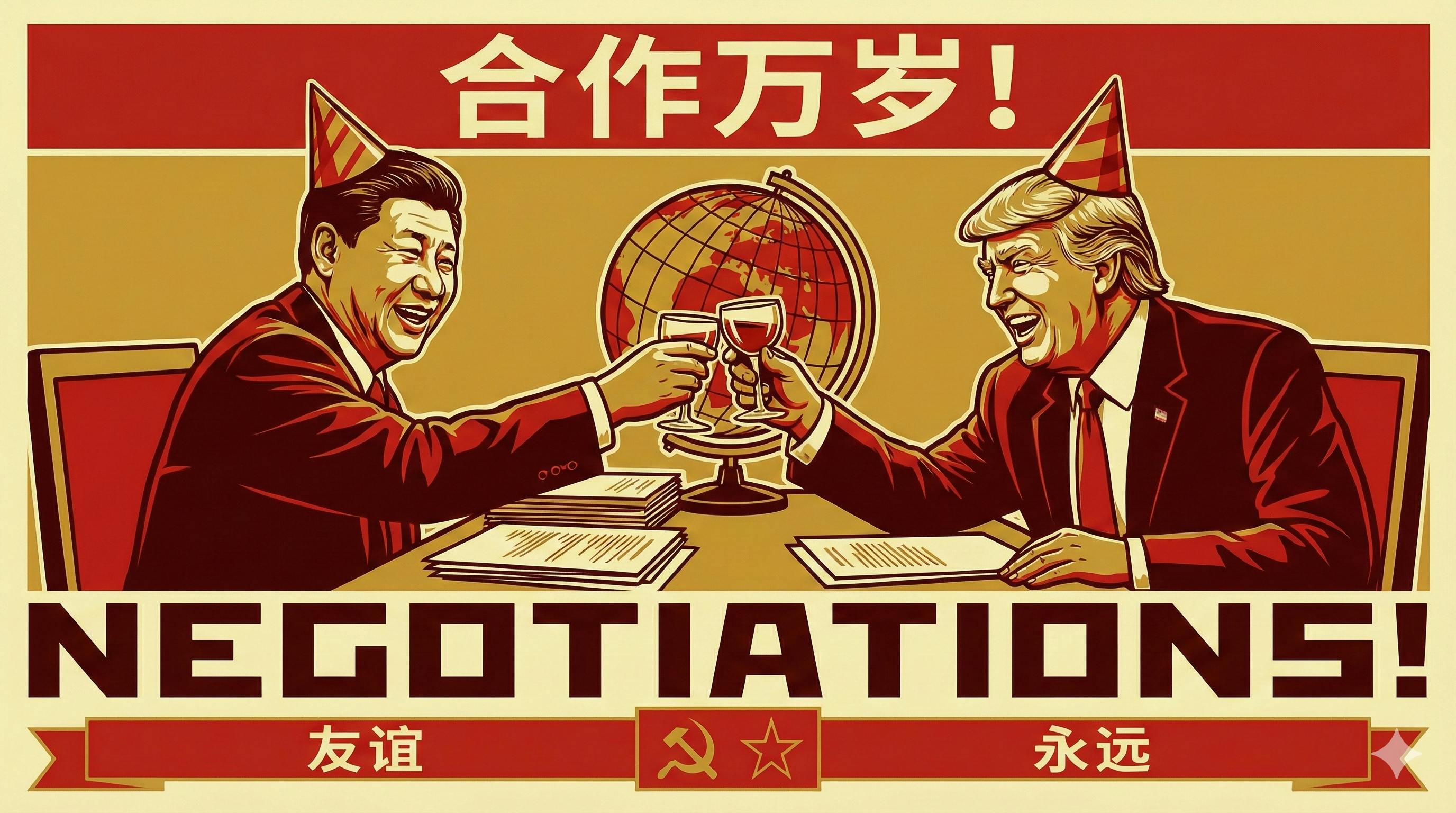
The public threats of a military strike against Iran may be a high-stakes negotiating tactic, consistent with Trump's style of creating chaos before seeking a deal. The goal is likely not war, which would be politically damaging, but to force Iran into economic concessions or a new agreement on US terms.

Trump's direct, aggressive actions often achieve immediate goals (first-order consequences). However, this approach frequently fails to anticipate the strategic, long-term responses from adversaries like China (second and third-order consequences), potentially creating larger, unforeseen problems down the road.

Military actions against Iran and Venezuela, neither listed as top threats in official documents, are likely driven by a desire to secure quick "wins" for the Trump brand. This strategy targets irritants rather than genuine security issues to project strength for legacy-building purposes.
