Get your free personalized podcast brief
We scan new podcasts and send you the top 5 insights daily.
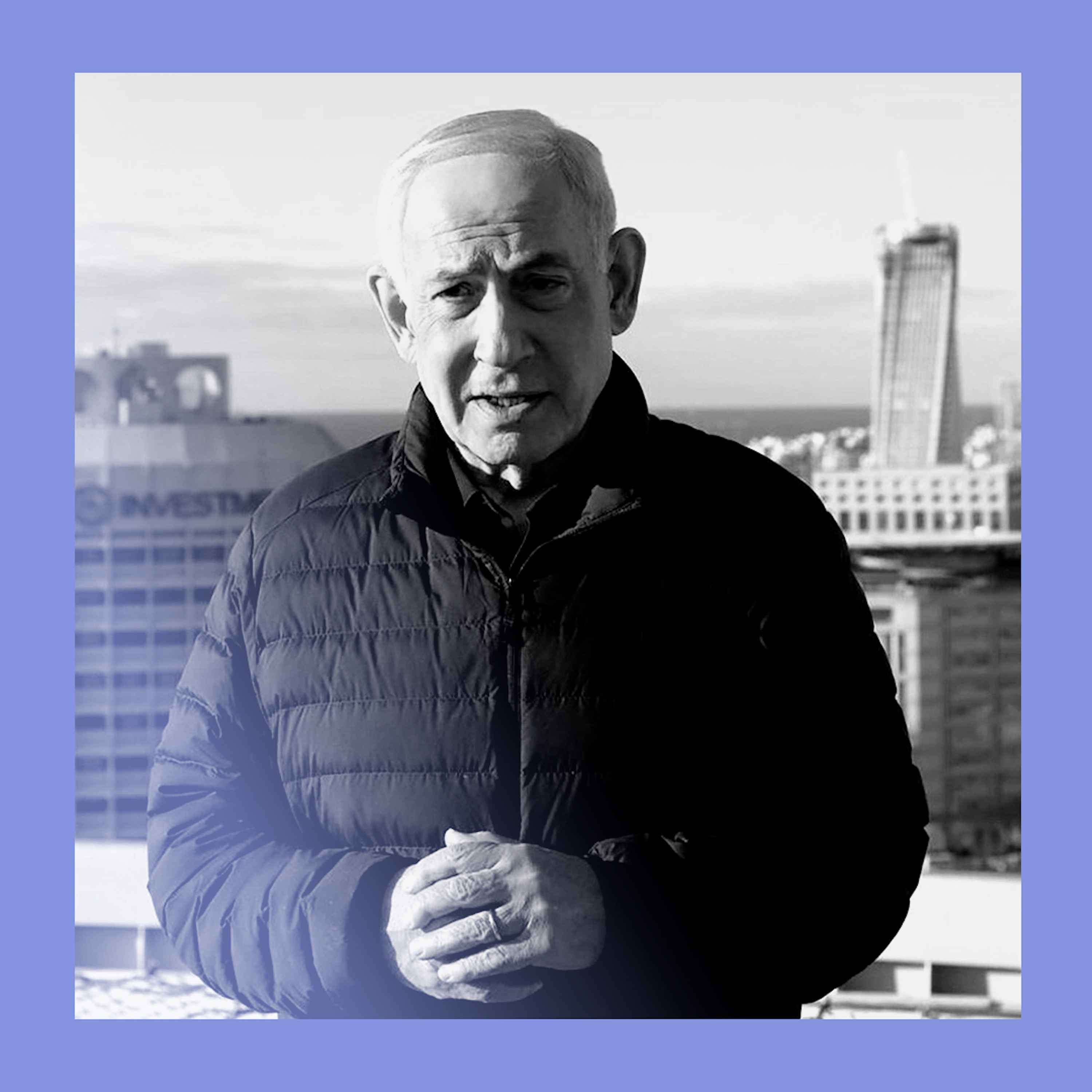
An ex-CIA spy breaks down "influence literacy." Foreign leaders like Netanyahu strategically speak English, focus on threats to America, and use emotionally charged words like "blackmail" to bypass their domestic audience and directly shape U.S. public opinion and policy.

Related Insights
Agencies like Mossad strategically allow or even promote media about their successful operations (e.g., films like "Munich"). This acts as information warfare, shaping a global perception of their omnipotence. This cultivated mystique serves as a powerful deterrent, even if their true capabilities are more limited.

Contrary to his hawkish reputation, Benjamin Netanyahu is deliberately lowering Israel's profile regarding Iran's internal protests. This strategic silence aims to prevent the embattled Iranian regime from feeling cornered and launching a preemptive attack out of paranoia.

When a politician suddenly makes a previously ignored issue intensely important, they are likely employing misdirection. The goal is to control the news cycle and public attention, either to distract from a more significant action happening elsewhere or to advance a hidden agenda unrelated to the stated crisis.

Israel's traditional public relations approach, which defaults to demonstrating military strength and dismissing criticism, is becoming counterproductive. It fails to build alliances and win the global "PR battle," which is as crucial for long-term survival as military victory.
Perceived authority is highly malleable. A posh British accent combined with formal attire can act as a "hack," creating an illusion of intelligence and credibility, particularly in American contexts. This allows individuals to successfully present outlandish or unsubstantiated ideas as legitimate.

The key difference between effective and manipulative communication lies in what is altered. Leaders adapt the vocabulary and emphasis for their audience (delivery), while manipulators change the underlying facts and narrative (message), destroying trust.
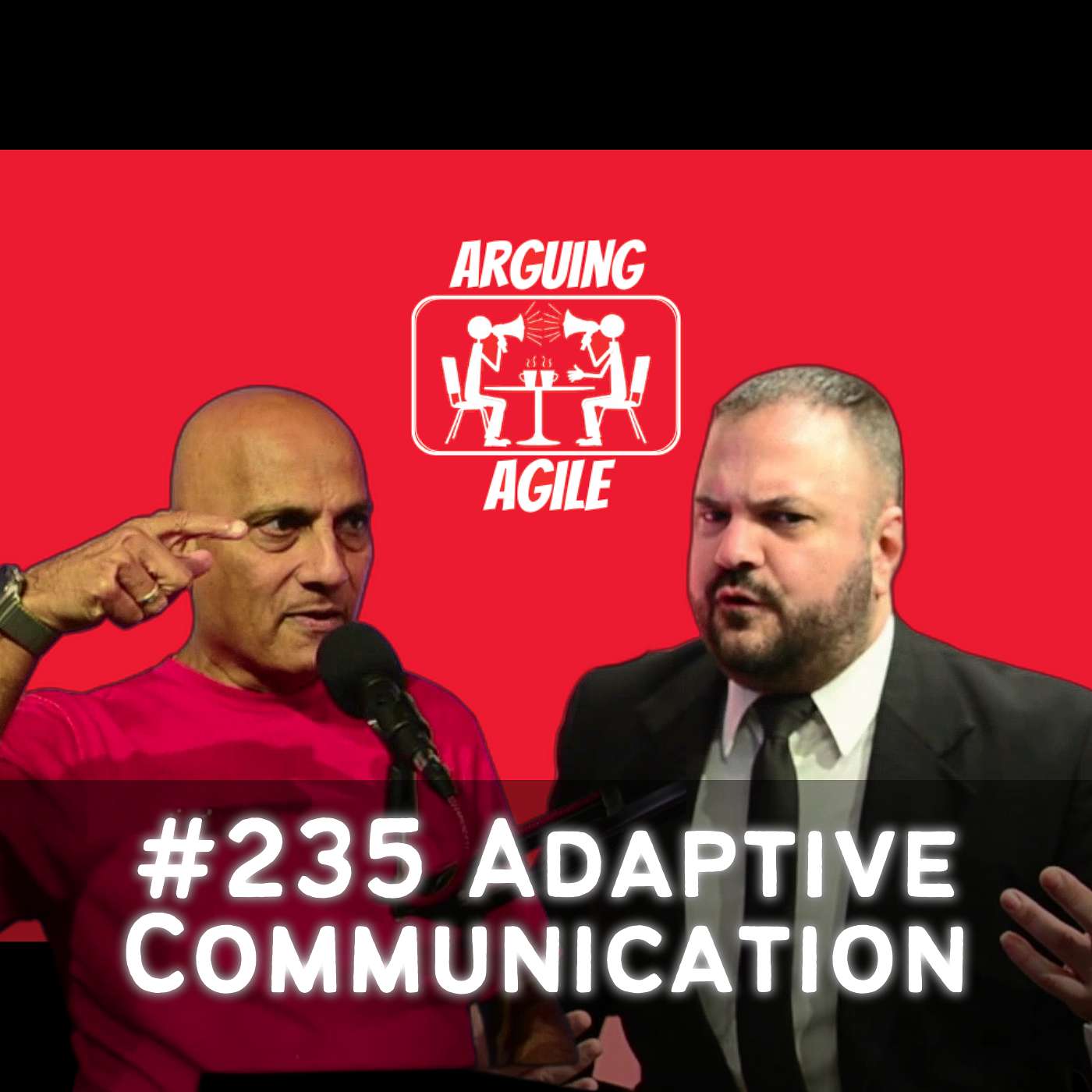
Ex-CIA spy Andrew Bustamante explains that sanitized national threat assessments are available to the public. These documents reveal official government priorities and funding, which can directly contradict the narratives politicians present to justify military actions, as seen with Iran.
To secure commitments from Donald Trump, diplomat Momdani employed a highly personalized strategy. Instead of policy debate, he presented old newspaper clippings celebrating Trump's past achievements, directly appealing to his ego and desire for a positive legacy, proving to be a "Trump whisperer."

Effective political propaganda isn't about outright lies; it's about controlling the frame of reference. By providing a simple, powerful lens through which to view a complex situation, leaders can dictate the terms of the debate and trap audiences within their desired narrative, limiting alternative interpretations.

Israeli officials now openly state regime change in Iran is their goal. However, their strategy is not a direct overthrow but rather to target Iran's internal "suppression" forces. By removing the regime's tools to quell dissent, they aim to create an opportunity for the Iranian people to rise up themselves.