Get your free personalized podcast brief
We scan new podcasts and send you the top 5 insights daily.
Margaret Atwood differentiates a memoir from an autobiography. An autobiography is a factual, chronological account. A memoir, true to its name, is a curated collection of what one *remembers*—the stupid actions, catastrophes, near-death experiences, and emotional high points.

Related Insights
As AI automates tasks and replicates knowledge, what remains fundamentally human is our personal narrative. The collection of experiences, memories, successes, and failures shaping who we are cannot be generated by AI, making authentic storytelling a core human differentiator.
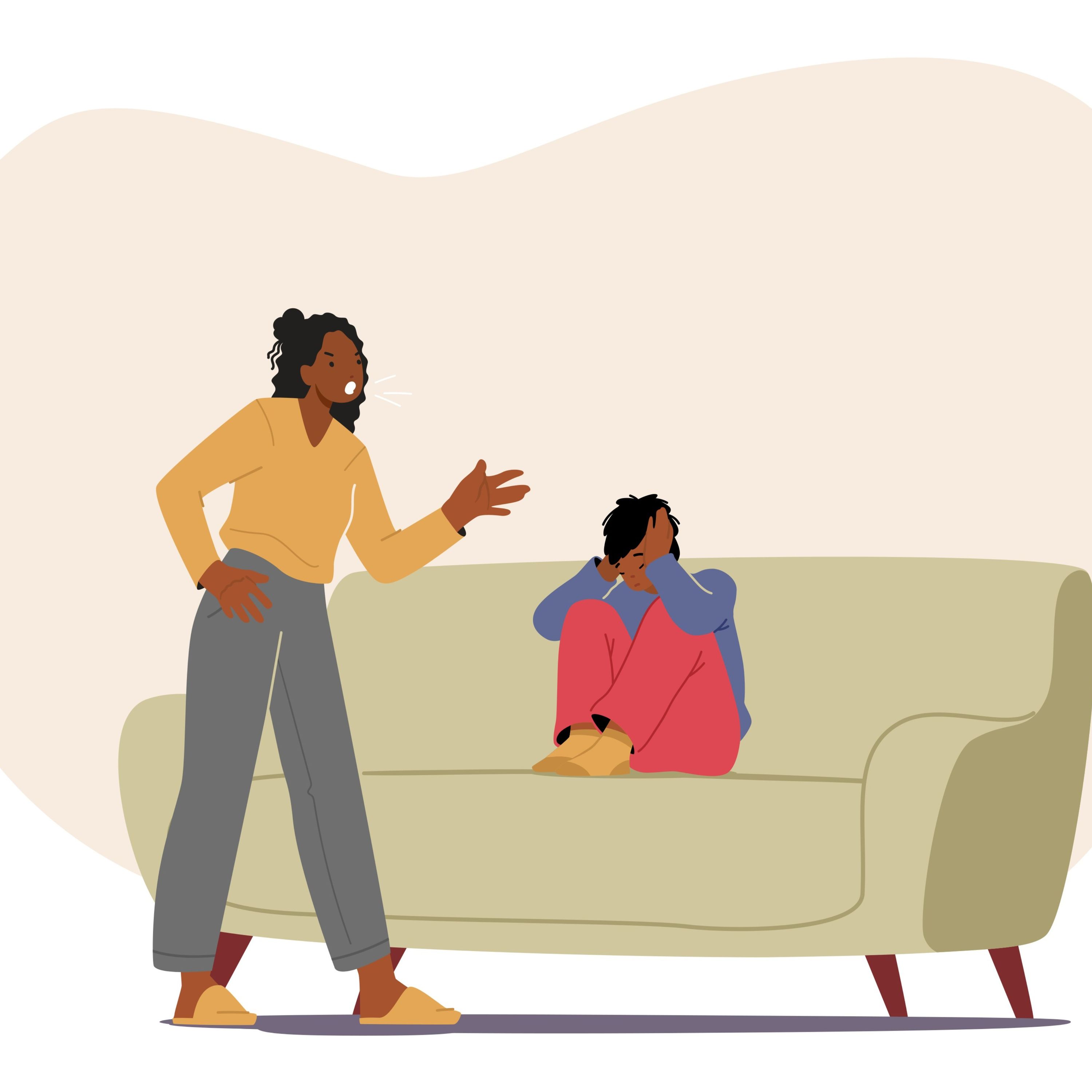
Trauma is not an objective property of an event but a subjective experience created by the relationship between a present situation and past memories. Because experience is a combination of sensory input and remembered past, changing the meaning or narrative of past events can change the experience of trauma itself.

Memory doesn't work like a linear filing system. It's stored in associative patterns based on themes and emotions. When one memory is activated, it can trigger a cascade of thematically connected memories, regardless of when they occurred, explaining why a current event can surface multiple similar past experiences.
Amy Porterfield dictates her personal stories to ChatGPT, then prompts it to extract the key parts into a concise draft. This uses AI as a partner for clarity and structure while preserving her authentic voice, avoiding soulless, AI-generated content.

Salient emotional events feel vivid and true, boosting our confidence in the memory. However, this confidence is often misleading. Each time we recall and "reconstruct" these memories, we create more opportunities for errors to creep in, making them factually less reliable than we believe.
The impulse to publicly share a difficult story immediately is often a mistake. This "writing from a wound" lacks discernment and perspective. Allowing time for reflection provides clarity and self-honesty, leading to a wiser, more impactful narrative that you won't regret later.

The brain doesn't strive for objective, verbatim recall. Instead, it constantly updates and modifies memories, infusing them with emotional context and takeaways. This process isn't a bug; its purpose is to create useful models to guide future decisions and ensure survival.

Atwood argues AI fails at original writing because it lacks a singular human mind or "soul." It can mimic formulas but cannot create a genuine voice or understand core principles of storytelling, like the constraints of a dystopia where characters cannot simply leave.
A coherent picture of a person is built from heterogeneous, often contradictory, elements. Readers find this more convincing because it mirrors real life; everyone we know is contradictory. Instead of forcing a simple narrative, revealing inconsistencies makes a character feel more authentic and human.
The meaning of an event is not fixed but is shaped by its narrative framing. As both the author and protagonist of our life stories, we can change an experience's impact by altering its "chapter breaks." Ending a story at a low point creates a negative narrative, while extending it to include later growth creates a redemptive one.