Get your free personalized podcast brief
We scan new podcasts and send you the top 5 insights daily.
Atwood argues AI fails at original writing because it lacks a singular human mind or "soul." It can mimic formulas but cannot create a genuine voice or understand core principles of storytelling, like the constraints of a dystopia where characters cannot simply leave.

Related Insights
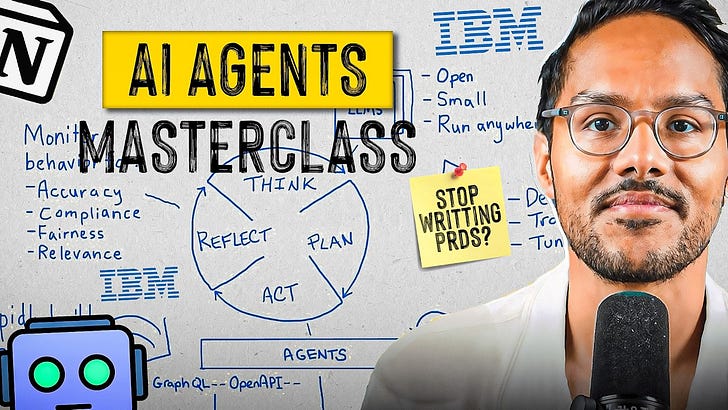
While AI tools once gave creators an edge, they now risk producing democratized, undifferentiated output. IBM's AI VP, who grew to 200k followers, now uses AI less. The new edge is spending more time on unique human thinking and using AI only for initial ideation, not final writing.
Historically, we trusted technology for its capability—its competence and reliability to *do* a task. Generative AI forces a shift, as we now trust it to *decide* and *create*. This requires us to evaluate its character, including human-like qualities such as integrity, empathy, and humility, fundamentally changing how we design and interact with tech.

As AI automates tasks and replicates knowledge, what remains fundamentally human is our personal narrative. The collection of experiences, memories, successes, and failures shaping who we are cannot be generated by AI, making authentic storytelling a core human differentiator.
AI is engineered to eliminate errors, which is precisely its limitation. True human creativity stems from our "bugs"—our quirks, emotions, misinterpretations, and mistakes. This ability to be imperfect is what will continue to separate human ingenuity from artificial intelligence.

In the age of AI, the new standard for value is the "GPT Test." If a person's public statements, writing, or ideas could have been generated by a large language model, they will fail to stand out. This places an immense premium on true originality, deep insight, and an authentic voice—the very things AI struggles to replicate.

True creative mastery emerges from an unpredictable human process. AI can generate options quickly but bypasses this journey, losing the potential for inexplicable, last-minute genius that defines truly great work. It optimizes for speed at the cost of brilliance.

As AI-generated content creates a sea of sameness, audiences will seek what machines cannot replicate: genuine emotion and deep, personal narrative. This will drive a creator-led shift toward more meaningful, long-form content that offers a real human connection.
Atwood dismisses the tech industry's term "hallucination" for AI errors. She argues that machines make factual mistakes, whereas hallucinations are complex human experiences. Using the term is a deliberate attempt to make AI seem more human and conscious than it actually is.
Most AI writing tools produce generic content. Spiral was rebuilt to act as a partner. It first interviews the user to understand their thoughts and taste, helping them think more deeply before generating drafts. This collaborative process avoids "slop" and leads to more authentic writing.

The value of human-created work comes from its origin in a unique individual's lived experience. AI can mimic emotions like love or grief, but it cannot truly feel them. This inability to have an authentic emotional experience makes its creations replicable and fundamentally less valuable than true human expression.
