Get your free personalized podcast brief
We scan new podcasts and send you the top 5 insights daily.
The impulse to publicly share a difficult story immediately is often a mistake. This "writing from a wound" lacks discernment and perspective. Allowing time for reflection provides clarity and self-honesty, leading to a wiser, more impactful narrative that you won't regret later.

Related Insights
Matthew McConaughey reveals a paradoxical use of writing. He initially journaled "so I could forget," clearing his mind. Decades later, he published those same entries to "remember" and reconnect with his core beliefs, using the process as a form of self-therapy to combat his own doubt.

Journaling is not just for self-reflection. The act of privately untangling fears and emotions on the page externalizes them, making it easier to name them and then discuss them openly with others. This private practice is a powerful tool for improving interpersonal communication.
Don't fear being wrong or evolving your opinions publicly. Having a content library that documents your changing beliefs isn't a liability; it's proof of growth and humility. Audiences connect with real people who learn over time, not with static figures who pretend to be perfect from the start.

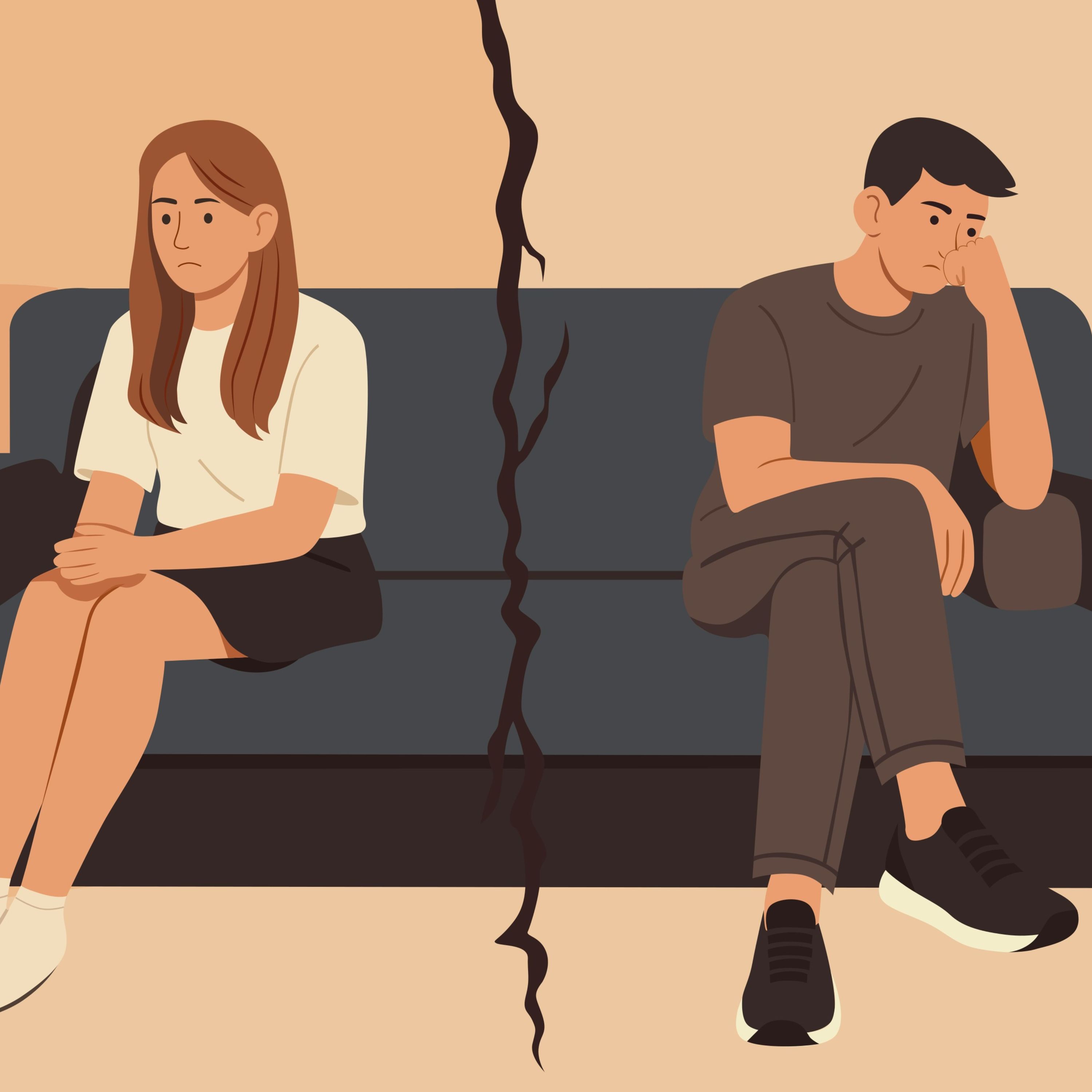
Resolving unfinished business after a relationship ends is a personal task. Imaginary dialogues can be more effective for emotional processing than real conversations with the other person, who may be unavailable or unwilling. Closure comes from within, not from external validation.
To avoid performative activism and burnout, focus your public voice on the issues you are deeply passionate about. The key question is not what you *should* care about, but what breaks your heart so deeply that silence feels more costly than speaking up. This ensures authenticity and sustainability.
When sharing sensitive stories involving other people, use the "Five-Year Pride Test." Ask yourself, "Will I be proud of this sentence, paragraph, and chapter in five years?" This filter encourages a long-term perspective, promoting compassion over sensationalism and preventing future regret.
As creators become successful, their comfortable lives can create a 'relatability crisis,' severing their connection to the struggles that fuel their art. To combat this, they must consciously 'pick open some scabs' from their past. Revisiting old heartbreaks, failures, and traumas becomes a necessary tool for finding authentic, resonant material when current life lacks friction.

The impulse to harshly judge yourself before others can is a defense mechanism rooted in past pain. A more powerful, healed stance is to simply become unavailable for external criticism, effectively removing the "button" that others can push.

The meaning of an event is not fixed but is shaped by its narrative framing. As both the author and protagonist of our life stories, we can change an experience's impact by altering its "chapter breaks." Ending a story at a low point creates a negative narrative, while extending it to include later growth creates a redemptive one.

Building an identity around personal wounds filters all experiences through pain, hindering growth. Recognizing that pain is a common human experience, rather than an exclusive burden, allows you to stop protecting your wounds and start healing from them.