Get your free personalized podcast brief
We scan new podcasts and send you the top 5 insights daily.
The Diet vs. Zero soda battle demonstrates that for quick, everyday purchases, consumers rely on surface-level cues. The branding and associated identity ("scarcity" vs "wellness") drive decisions more than the product's actual composition, which is often nearly identical. The label effectively becomes the product.

Related Insights
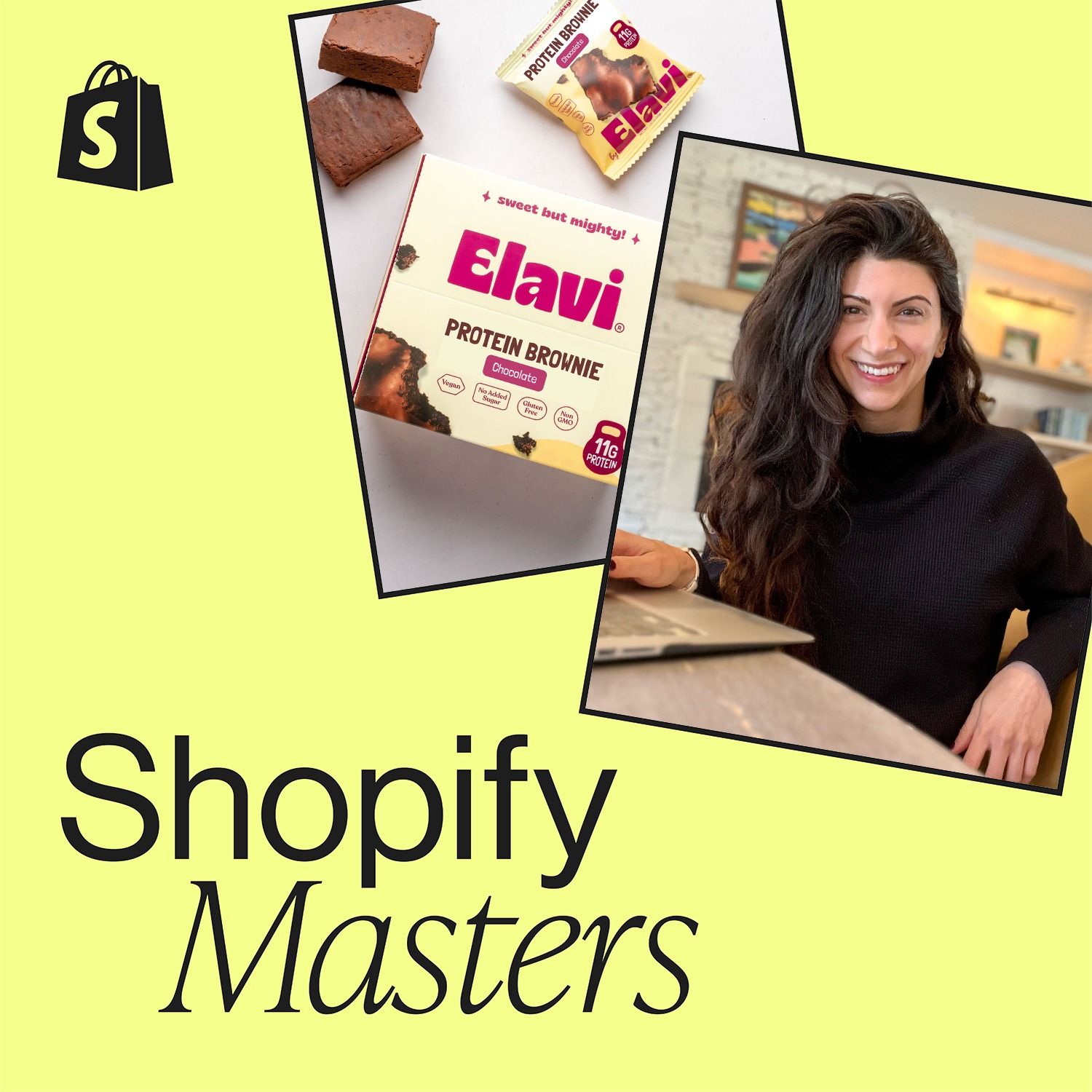
Alave made a bold packaging decision: making the product type (“Protein Brownie”) the main focus, not the brand logo. They gambled that in the split-second a customer looks at a shelf, clearly communicating *what* the product is proves more effective for a new brand than establishing *who* they are. The strategy crushed.
Most product categories are commodities with minimal functional differences. Success, as shown by Liquid Death in the water category, hinges on building an emotional connection through branding and packaging, which are the primary drivers of consumer choice over minor product benefits.
Brand love is often less about the product and more about what it symbolizes about the consumer. In an era of 'hyper-identity,' brands become signals people use to communicate their personal values and nuances. Marketing should focus on what the brand says about its user.
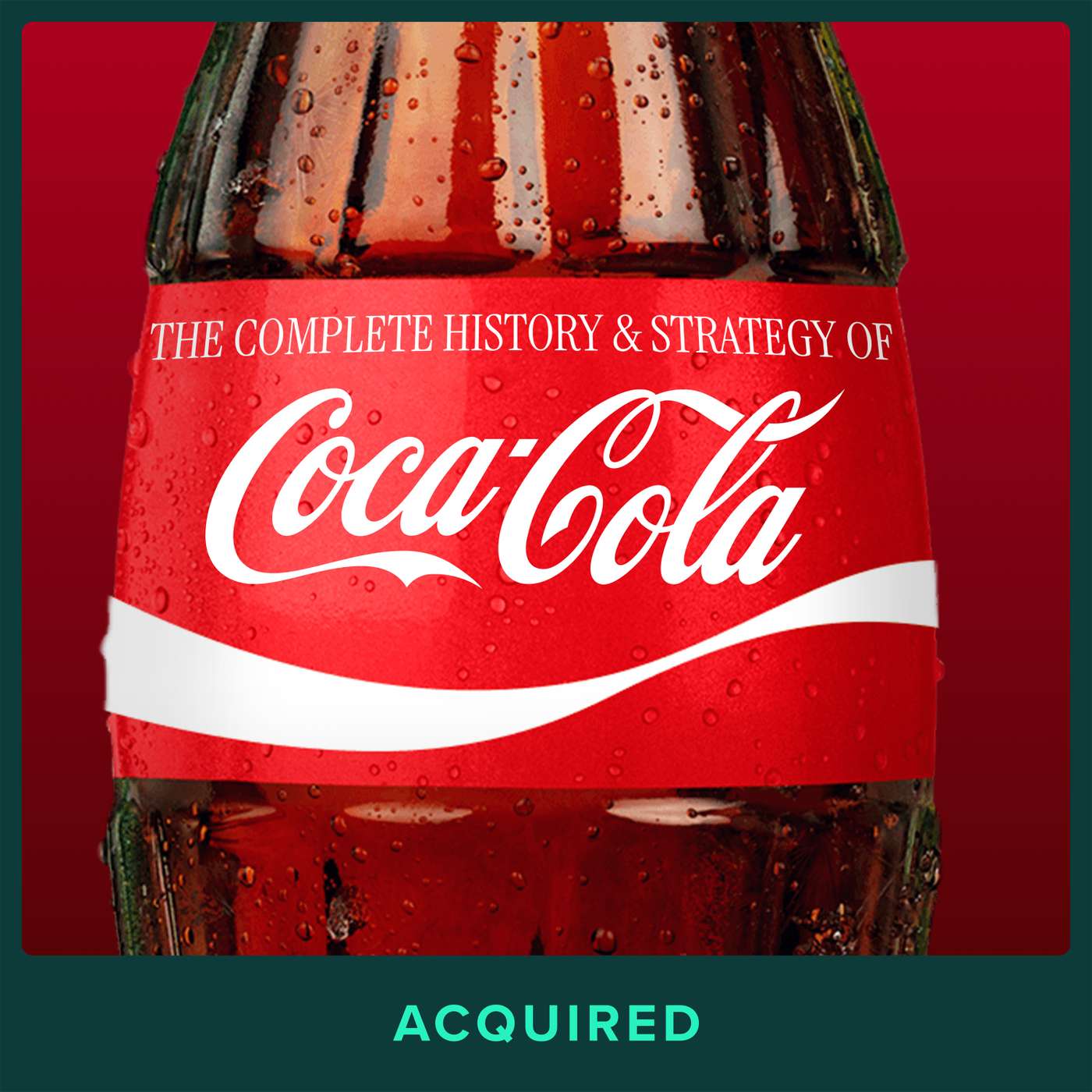
Coca-Cola markets a sugary beverage with no nutritional value by completely ignoring product attributes. Instead, its brand is built on emotionally resonant stories of happiness and togetherness, proving that a powerful intangible idea can be more persuasive than the tangible product itself.

Consumers are trained by food packaging to look for simple, bold 'macros' (e.g., '7g Protein,' 'Gluten-Free'). Applying this concept to non-food items by clearly stating key attributes ('Chemical-Free,' 'Plant-Based') on the packaging can rapidly educate consumers at the point of purchase and differentiate the product.

Our brains favor things that are easy to think about ('processing fluency'), subconsciously misattributing this ease as a positive feeling toward the product itself. Subtle cues like font matter immensely; a slim font for a 'slim' phone can increase purchase intent by 27% simply because the visual aligns with the message.

The beer industry is a powerful training ground for marketers. With functionally identical products, success hinges purely on branding, teaching marketers how emotion, advertising, and sponsorships drive consumer choice when product differentiation is nonexistent.

In a study, a faint chocolate smell was pumped into a store. While none of the 105 shoppers interviewed afterward consciously noticed the scent, the featured chocolate brand's share jumped by 41%. This demonstrates that subconscious sensory cues can bypass rational thought and directly influence purchasing decisions.

Coca-Cola pioneered lifestyle advertising by shifting from promoting intrinsic product qualities (a "brain tonic") to extrinsic associations. They linked the brand to universal positive emotions like happiness, friendship, and Christmas, making the product a symbol rather than just a beverage.
The success of "Zero Sugar" sodas over "Diet" sodas, despite being nearly identical products, reveals a generational shift in values. Younger consumers reject the restrictive connotations of "dieting" and embrace the positive, wellness-focused language of "zero," which aligns with a lifestyle of health optimization.