Get your free personalized podcast brief
We scan new podcasts and send you the top 5 insights daily.
With a two-inch-high bottle, The Turmeric Co. found it 'absolutely impossible' to communicate its unique value proposition on the label in a retail setting. This forces small-format brands to rely heavily on pre-built brand recall and in-store marketing like aisle fins to drive trial.

Related Insights
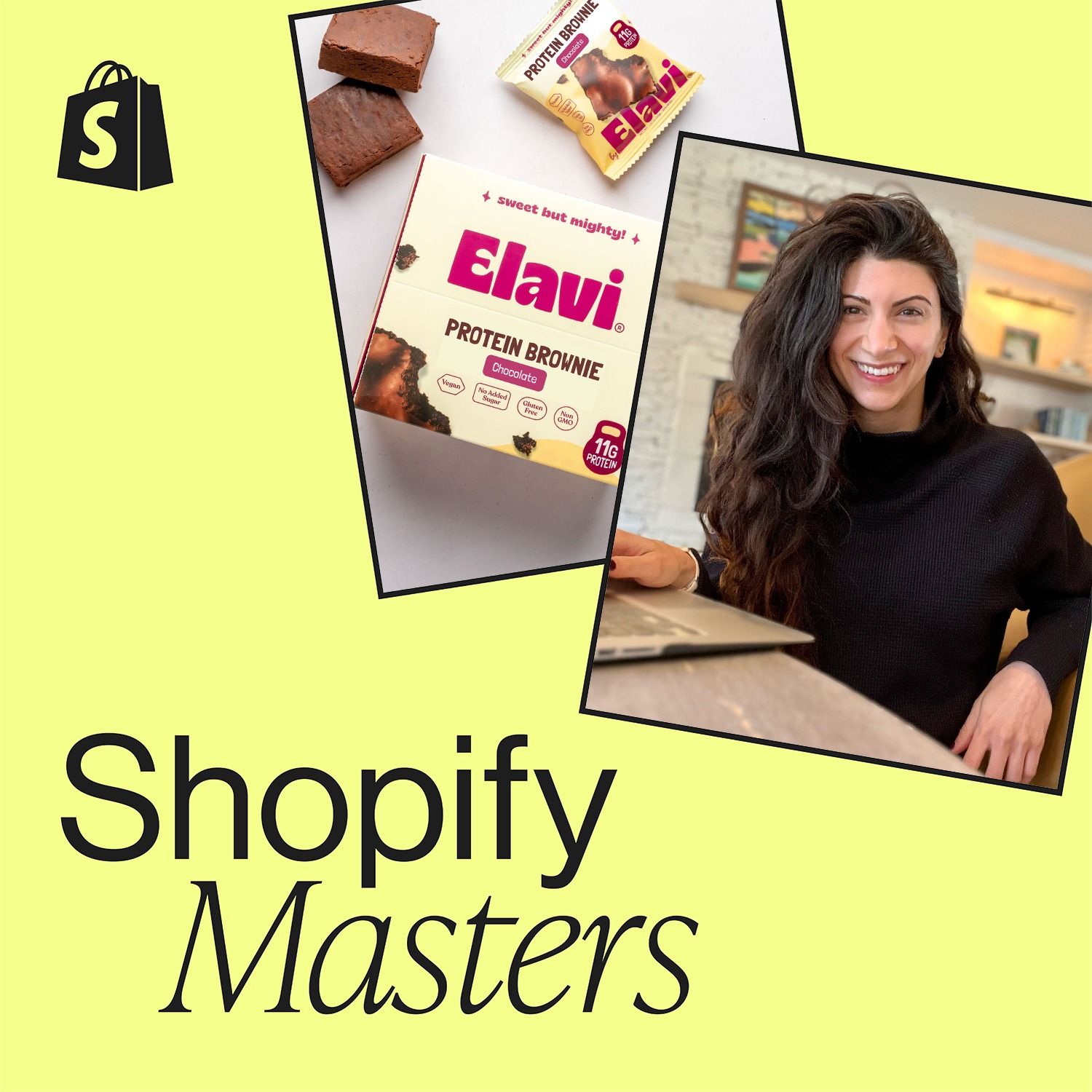
Alave made a bold packaging decision: making the product type (“Protein Brownie”) the main focus, not the brand logo. They gambled that in the split-second a customer looks at a shelf, clearly communicating *what* the product is proves more effective for a new brand than establishing *who* they are. The strategy crushed.
For beauty brands, India is a crucial market for miniature or 'mini' sized products. These minis act as a vital bridge for a value-conscious consumer base, allowing them to trial premium or prestige products at a lower price point before committing to a full-size purchase, thereby de-risking the adoption of new brands.

Consumers are trained by food packaging to look for simple, bold 'macros' (e.g., '7g Protein,' 'Gluten-Free'). Applying this concept to non-food items by clearly stating key attributes ('Chemical-Free,' 'Plant-Based') on the packaging can rapidly educate consumers at the point of purchase and differentiate the product.

Founder Jim Cregan's core philosophy is that a product's success hinges on three elements working in perfect harmony: branding (what it says), packaging (how it feels), and ingredients (how it tastes). If one of these pillars is weak, the entire product fails.

For brands with a retail presence, the product packaging itself is a powerful and underutilized billboard. By adding a QR code with an incentive, you can convert in-store purchasers into owned D2C customers, bridging the physical and digital channels.
For CPG brands, a physical retail presence, even with lower margins, should be viewed as a customer acquisition strategy. It provides crucial visibility and trial, driving customers to your higher-margin direct-to-consumer website for subsequent purchases and retention.
The baby food brand strategically places its products (pouches, bars, frozen meals) in various aisles. This "all-aisle" approach creates multiple touchpoints during a single shopping trip, acting as an effective in-store advertisement that drives cross-category sales and grows with the customer.

For premium brands like Coterie, the choice of retail partner is a branding decision. A retailer's reputation for quality reinforces the product's own values, while a poor retail environment like a messy shelf can actively dilute brand equity.

Before landing major retailers, Buy Rosie Jane used its 50 small boutique partners as a training ground. This 'university' phase allowed them to test messaging, create their own shelf talkers, and define their 'clean' positioning, preparing them for larger-scale success with a fully-formed brand story.
To prepare for a retail launch, Alave's founders conduct extreme in-person reconnaissance. They fly to stores and use tape measures on competitor packaging to ensure their own boxes fit the shelf set and are compliant. They argue merchandising is a top driver of sales, and if you're not physically visible, you can't be bought.