Get your free personalized podcast brief
We scan new podcasts and send you the top 5 insights daily.
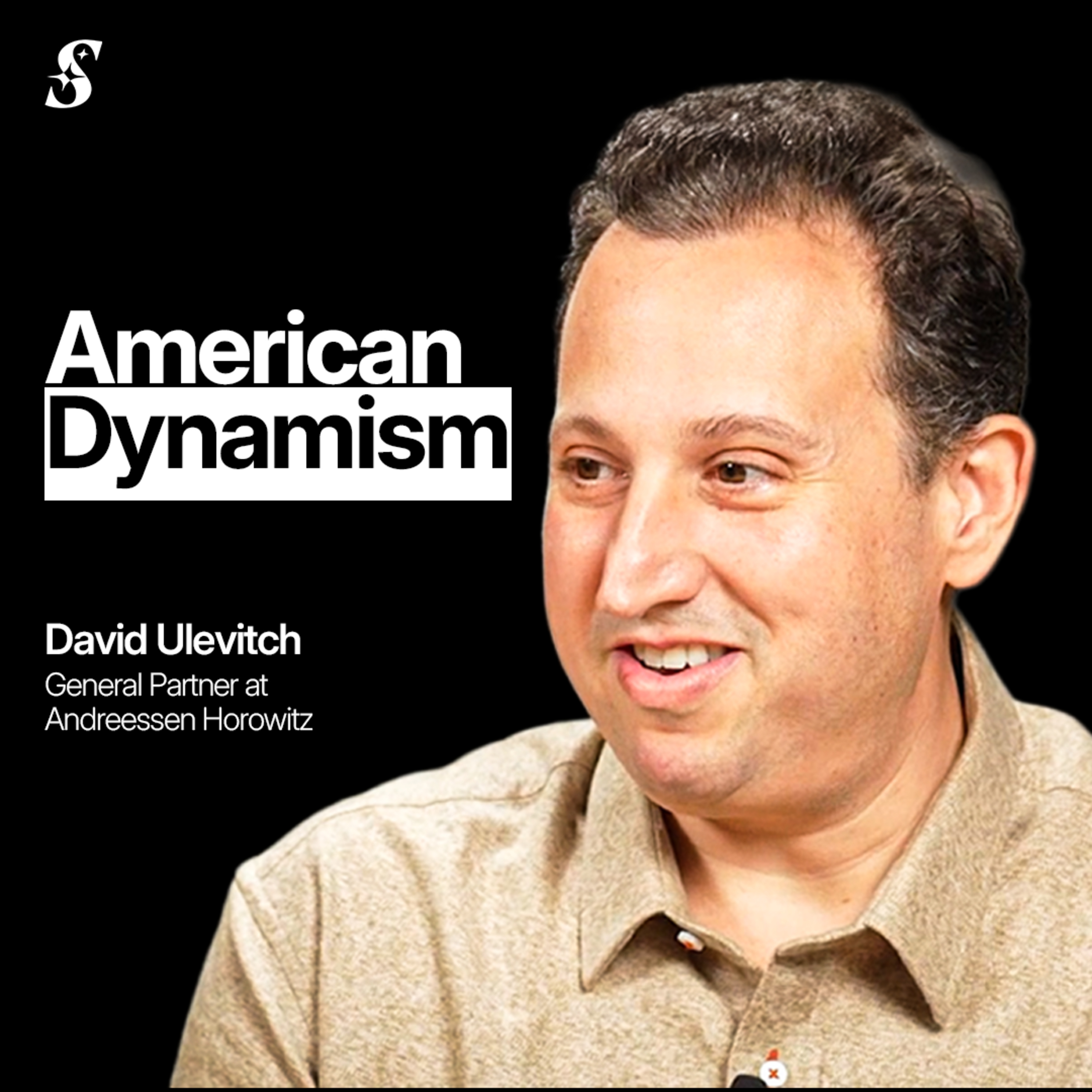
For its American Dynamism fund, Andreessen Horowitz provides more than capital; it fields a dedicated policy team in Washington D.C. This team works to change structural government problems, like defense procurement, creating a more favorable market for its portfolio and the broader startup ecosystem.
Related Insights
Luckey reveals that Anduril prioritized institutional engagement over engineering in its early days, initially hiring more lawyers and lobbyists. The biggest challenge wasn't building the technology, but convincing the Department of Defense and political stakeholders to believe in a new procurement model, proving that shaping the system is a prerequisite for success.
![Palmer Luckey - Inventing the Future of Defense - [Invest Like the Best, CLASSICS] thumbnail](https://megaphone.imgix.net/podcasts/f7c9aa8e-cb8d-11f0-828e-0b281809c10a/image/cc07f91ec47f95abbde771a4956b37b7.jpg?ixlib=rails-4.3.1&max-w=3000&max-h=3000&fit=crop&auto=format,compress)
The government's procurement process often defaults to bidding out projects to established players like Lockheed Martin, even if a startup presents a breakthrough. Success requires navigating this bureaucratic reality, not just superior engineering.

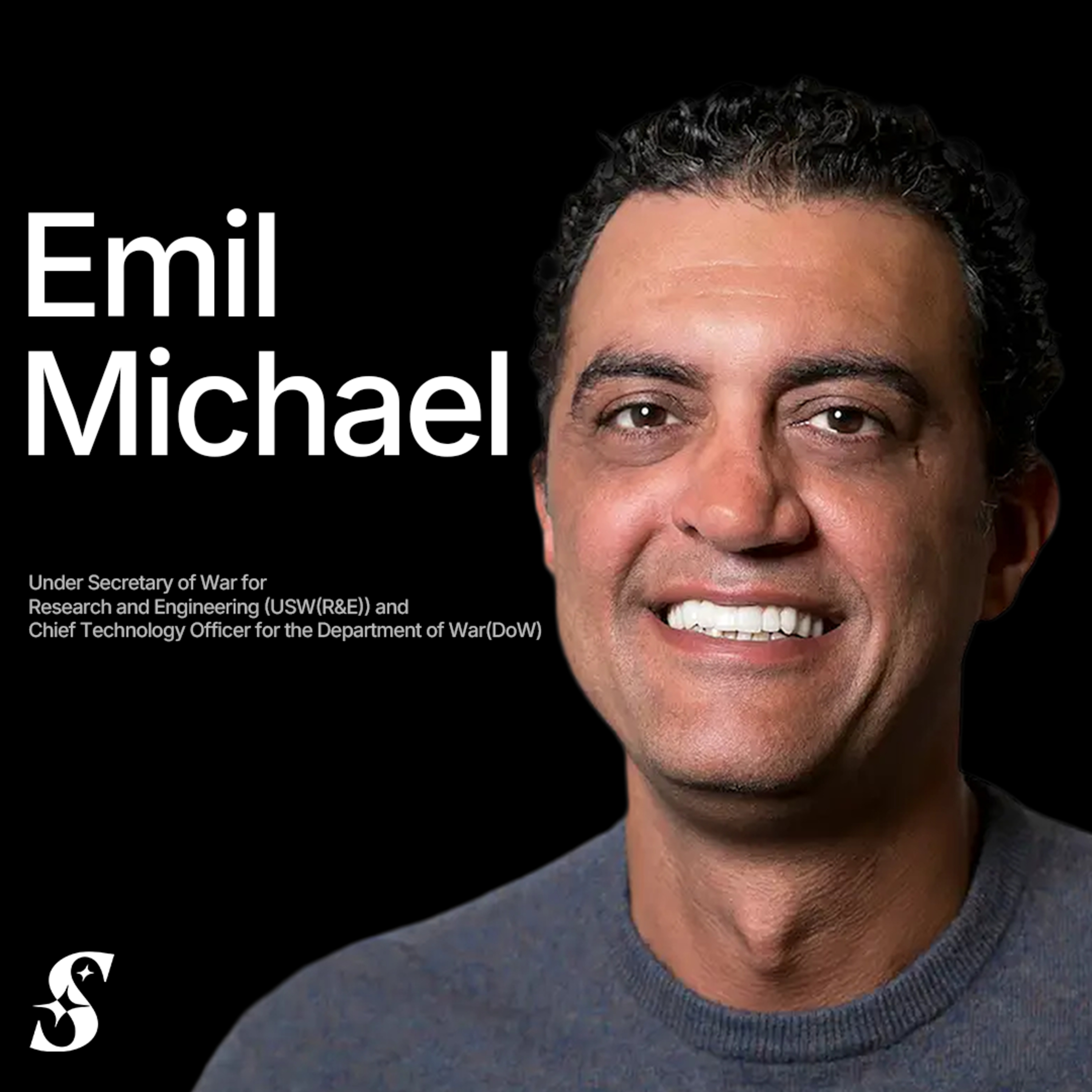
The Under Secretary of War's primary job is not just to fund technology, but to actively cultivate an ecosystem of new defense contractors. The stated goal is to create five more major companies capable of challenging established primes like Lockheed Martin, fostering competition and bringing new capabilities into the defense sector.
In a tech climate wary of defense work, Anduril was "very unapologetic that they were a defense company." This clear, strong positioning acted as a crucial filter, repelling skeptical investors but attracting partners like Andreessen Horowitz who were fully aligned with their mission from the start.
A key supply-side driver for the "American Dynamism" sector is the flow of experienced talent. Alumni from pioneering companies like Palantir, SpaceX, and Oculus are leaving to start new ventures, bringing deep domain expertise in building for complex government and industrial sectors.
Private capital is more efficient for defense R&D than government grants, which involve burdensome oversight. Startups thrive when the government commits to buying finished products rather than funding prototypes, allowing VCs to manage the risk and de-burdening small companies.
Unlike traditional tech, founders in the American Dynamism space often succeed because of their deep, first-hand understanding of the customer (e.g., government, military). Many have prior service, hold security clearances, or have sold to government before. This "customer intimacy" allows them to speak the language and navigate complex procurement, a crucial advantage.

The defense tech sector is experiencing a perfect storm. This 'golden triangle' consists of: 1) Desperate customers in the Pentagon and Congress seeking innovation, 2) A wave of experienced founders graduating from successful firms like SpaceX and Anduril, and 3) Abundant downstream capital ready to fund growth.

A16z's growth fund avoids traditional investment committees, which can lead to politicization and slow decisions. Instead, it uses a venture-style "single trigger" model where one partner can champion a deal, encouraging intellectual honesty and speed.
![David George - Building a16z Growth, Investing Across the AI Stack, and Why Markets Misprice Growth - [Invest Like the Best, EP.450] thumbnail](https://megaphone.imgix.net/podcasts/8da7dbd8-ceeb-11f0-941c-ef83bcdd4c9f/image/d44107bc94719f78fbe91befb141073e.jpg?ixlib=rails-4.3.1&max-w=3000&max-h=3000&fit=crop&auto=format,compress)
Andreessen Horowitz first established "American Dynamism" as a public narrative and investment practice, using its main venture fund for initial deals. This "meme-first" strategy built momentum and a track record, proving the thesis before they raised a dedicated, specialized fund.