Get your free personalized podcast brief
We scan new podcasts and send you the top 5 insights daily.
In a tech climate wary of defense work, Anduril was "very unapologetic that they were a defense company." This clear, strong positioning acted as a crucial filter, repelling skeptical investors but attracting partners like Andreessen Horowitz who were fully aligned with their mission from the start.
Related Insights
Luckey reveals that Anduril prioritized institutional engagement over engineering in its early days, initially hiring more lawyers and lobbyists. The biggest challenge wasn't building the technology, but convincing the Department of Defense and political stakeholders to believe in a new procurement model, proving that shaping the system is a prerequisite for success.
![Palmer Luckey - Inventing the Future of Defense - [Invest Like the Best, CLASSICS] thumbnail](https://megaphone.imgix.net/podcasts/f7c9aa8e-cb8d-11f0-828e-0b281809c10a/image/cc07f91ec47f95abbde771a4956b37b7.jpg?ixlib=rails-4.3.1&max-w=3000&max-h=3000&fit=crop&auto=format,compress)
For its American Dynamism fund, Andreessen Horowitz provides more than capital; it fields a dedicated policy team in Washington D.C. This team works to change structural government problems, like defense procurement, creating a more favorable market for its portfolio and the broader startup ecosystem.
Applying the "weird if it didn't work" framework to fundraising means shifting the narrative. Your goal is to construct a story where the market opportunity is so massive and your team's approach is so compelling that an investor's decision *not* to participate would feel like an obvious miss.

Instead of coaching unconventional founders to be more palatable for mainstream Series A investors, early backers should encourage them to lean into their unique traits. The investor's role is to help them find the right future partners who appreciate their peculiar worldview, not to change it.
Unlike traditional contractors paid for time and materials, Anduril invests its own capital to develop products first. This 'defense product company' model aligns incentives with the government's need for speed and effectiveness, as profits are tied to rapid, successful delivery, not prolonged development cycles.
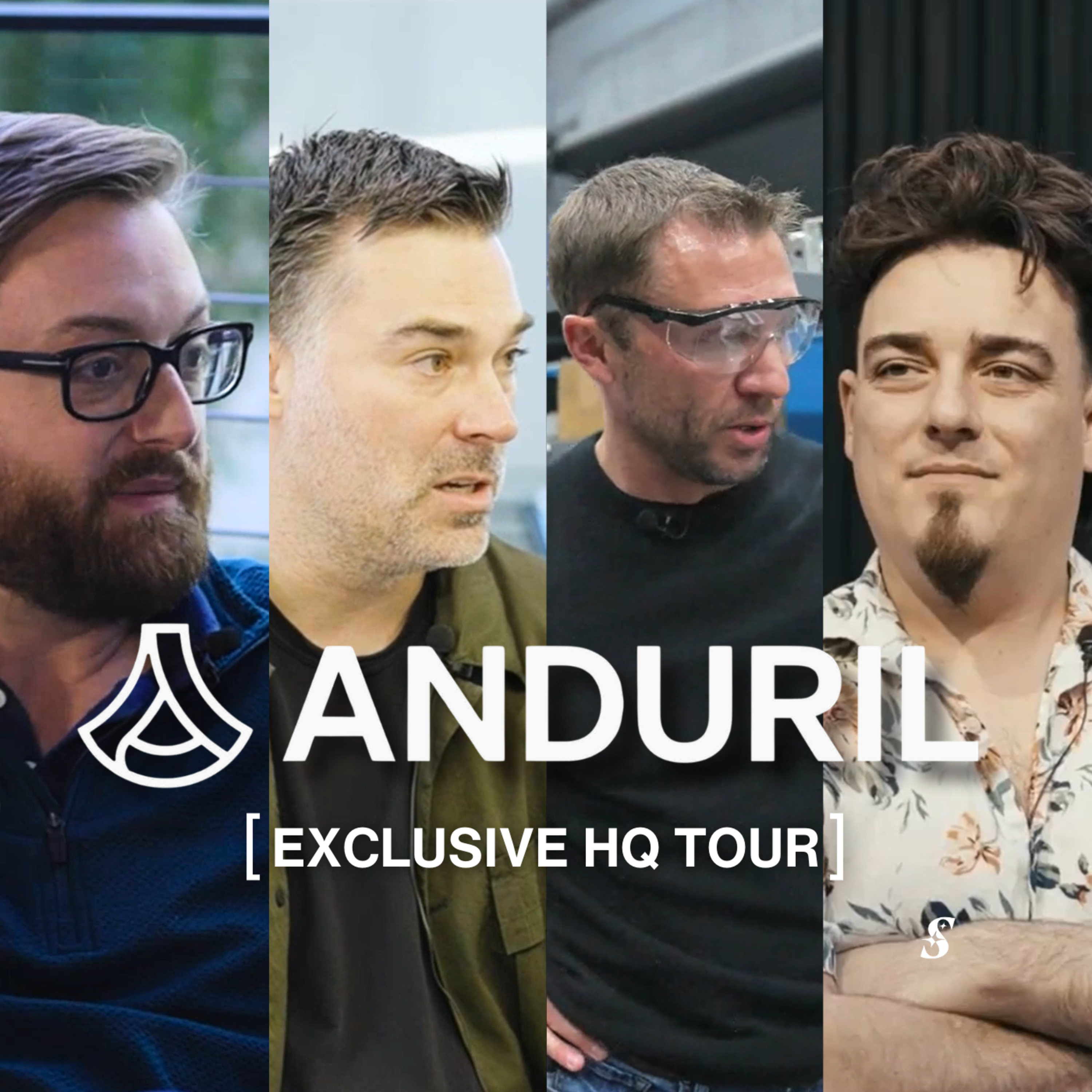
The defense tech sector is experiencing a perfect storm. This 'golden triangle' consists of: 1) Desperate customers in the Pentagon and Congress seeking innovation, 2) A wave of experienced founders graduating from successful firms like SpaceX and Anduril, and 3) Abundant downstream capital ready to fund growth.

Many defense startups fail despite superior technology because the government isn't ready to purchase at scale. Anduril's success hinges on identifying when the customer is ready to adopt new capabilities within a 3-5 year window, making market timing its most critical decision factor.
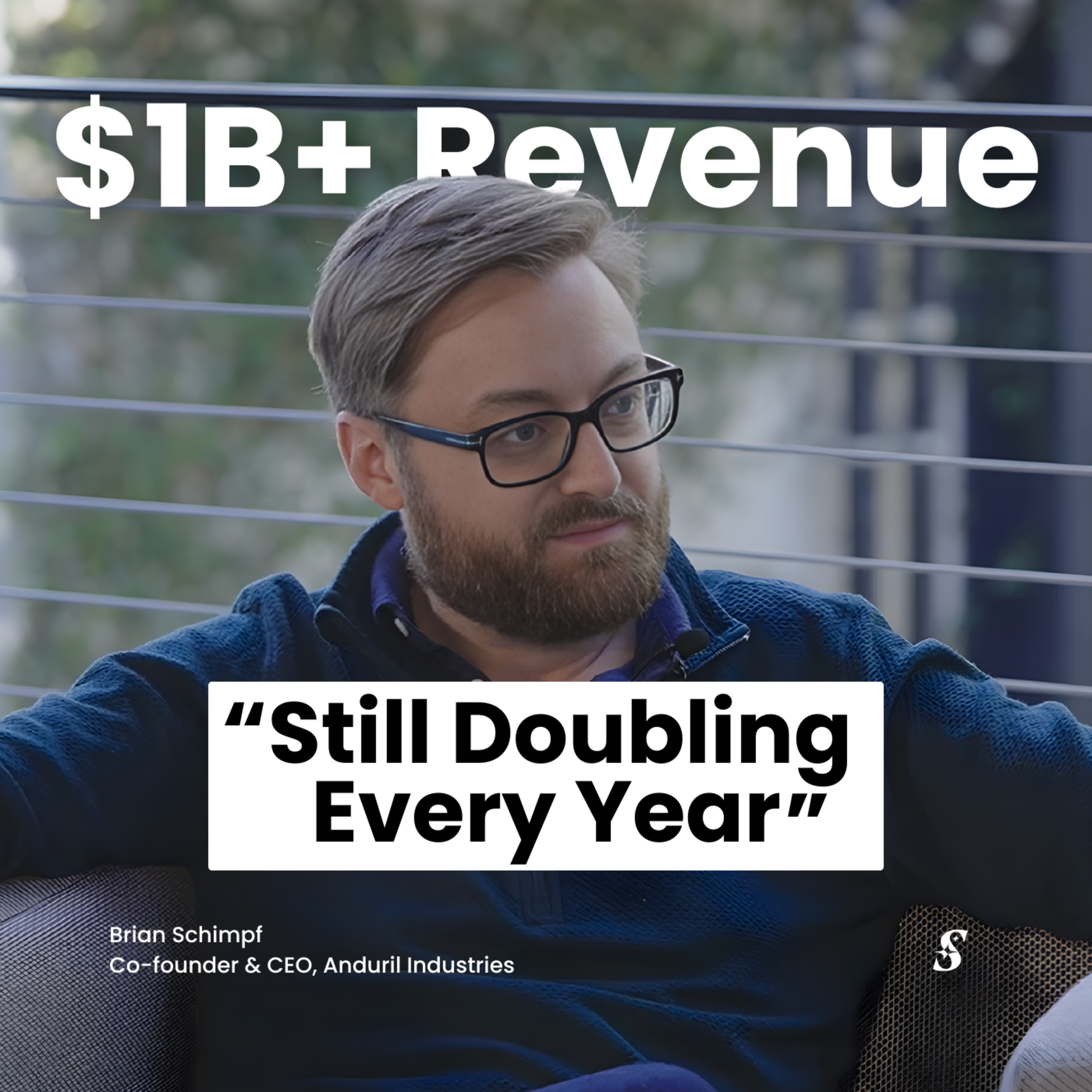
Marketing a defense company is fundamentally different from marketing a consumer product. Instead of a broad "one-to-all" campaign targeting millions of customers, defense marketing is a "one-to-few," hyper-targeted effort aimed at a small group of influential government decision-makers who could all fit in a single conference room.
The founders of Free Soul endured multiple rejections, including literally being laughed out of rooms. They frame this brutal process as a necessary filter that weeded out misaligned VCs and ultimately led them to investors who were personally connected to their mission.

The go-to-market strategy for defense startups has evolved. While the first wave (e.g., Anduril) had to compete directly with incumbents, the 'Defense 2.0' cohort can grow much faster. They act as suppliers and partners to legacy prime contractors, who are now actively seeking to integrate their advanced technology.