Get your free personalized podcast brief
We scan new podcasts and send you the top 5 insights daily.
Ori Ogunbi reports that Borno turnout was below 20% in 2023 and nationwide turnout was a dismal 27%. Tinubu can lean on ruling-party machinery, cash, religious and ethnic loyalty while disgruntled voters stay home, so weak popularity rarely translates into defeat at the ballot box.

Related Insights
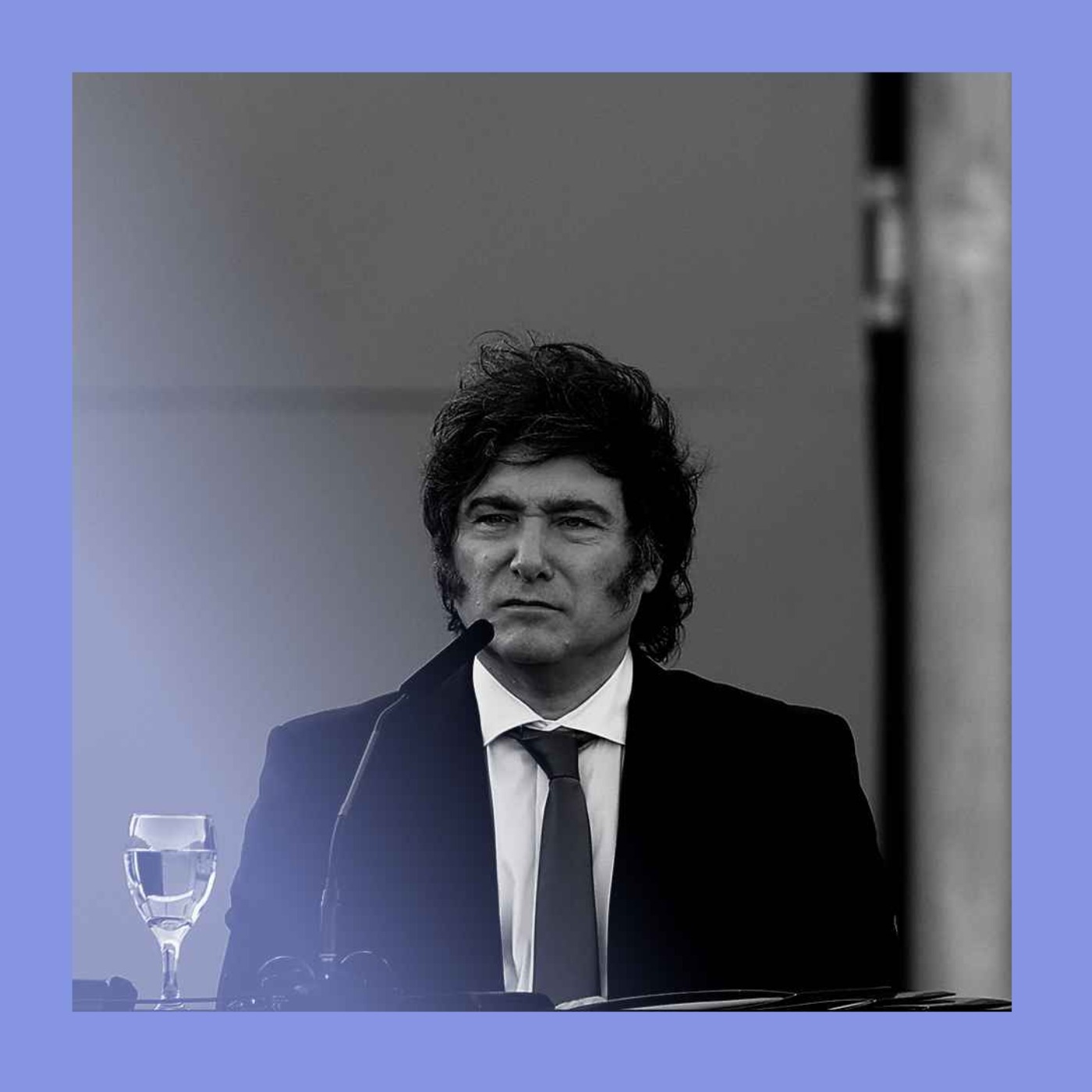
Despite his party holding very few seats in Congress, President Javier Milei successfully enacts his agenda by maintaining enormous popular support. This pressures opposition parties to cooperate, as they fear voter backlash if they are seen to obstruct his popular policies.
Despite positive macroeconomic indicators in Brazil, widespread public perception of an affordability crisis and general economic stagnation is driving fatigue with President Lula's Workers' Party. Much like the dynamic observed in the 2024 US presidential election, voters' localized sense of not getting ahead can completely detach from headline economic figures, powering sharp anti-incumbent shifts toward right-wing populist alternatives.
A massive banking scandal engulfing the entire political class fosters a "burn it down" mentality among voters. This deep-seated cynicism makes it easier for the electorate to overlook a candidate's conviction for coup-plotting and instead back his populist son.
The electoral process inherently favors wealthy, socially connected, and power-seeking individuals. This systematically excludes more reserved but capable citizens, creating a political class with significant blind spots that is often unresponsive to the majority's needs.

The surprising election of a pro-base governor in Okinawa reflects voter resignation, not a fundamental ideological shift. After years of fruitless opposition and legal defeats against the central government, the electorate pivoted to a candidate focused on pressing "bread and butter" economic issues that were being neglected.
Despite a dismal net approval rating near -30, Argentina's Javier Milei remains the slight favorite for re-election. This is because his most likely challenger suffers from similarly low ratings. This political stalemate, where voters dislike the primary options, creates an opportunity for third-party candidates to gain unexpected support.
Once a country falls into the unstable “anocracy” zone, its chances of recovery are slim, with only 20% returning to a full democracy. Data shows this reversal, or "U-turn," must happen quickly, typically within a single electoral cycle of five to eight years. The longer a nation lingers, the harder it is to escape.

Recent election results highlight a key vulnerability for the Republican party: a substantial drop in voter turnout when Donald Trump is not the candidate. The base is less energized, leading to weaker performance in midterms and other elections. This poses a long-term strategic challenge for the party's future beyond Trump.
Robinson highlights that UK leaders are often elected by a small fraction of the eligible population due to mass voter apathy. He argues this allows governments to rule without a true majority mandate, leading to policies that a large portion of the disengaged public would otherwise oppose.

Ori Ogunbi says Tinubu's fuel-subsidy removal and exchange-rate fixes have lowered inflation and raised government revenue, earning investor praise. Yet food inflation is near 20%, and aid cuts plus higher energy prices leave the poorest in Borno and neighboring states struggling to eat at all.