Get your free personalized podcast brief
We scan new podcasts and send you the top 5 insights daily.
Robinson highlights that UK leaders are often elected by a small fraction of the eligible population due to mass voter apathy. He argues this allows governments to rule without a true majority mandate, leading to policies that a large portion of the disengaged public would otherwise oppose.

Related Insights
The core structural threat to political incumbents is now from primary challengers, not the general election. This forces candidates to appeal to their party's most extreme base rather than the median voter, creating a system that structurally rewards polarization and discourages broad-based governance.

The appeal of a populist leader lies in their rejection of traditional political norms. When the electorate feels betrayed by the established "political class," they gravitate toward figures whose rhetoric is a deliberate and stark contrast, signaling they are an outsider.

The electoral process inherently favors wealthy, socially connected, and power-seeking individuals. This systematically excludes more reserved but capable citizens, creating a political class with significant blind spots that is often unresponsive to the majority's needs.

Ideological loyalty is an illusion in politics. Once in power, parties will quickly abandon the very groups that propelled them there if it is politically expedient. Examples include the UK's Labour Party turning on unions and Democrats ignoring BLM after the 2020 election. Power, not principle, is the goal.

It doesn't take a majority of a population to enact significant political change; a small but sufficiently fervent and motivated minority can be incredibly effective. Their passion and commitment can outweigh the apathy of the larger population, similar to the low engagement rates in modern political parties.

When asked why "blue" cities are decaying, Rick Caruso offers a different take: it's not just about party. He argues that general voter apathy allows highly motivated "extremes" to elect ideologues. These officials prioritize ideology over practical results, leading to incompetence and stagnation regardless of their intentions.

The Labour government, ironically led by London-native politicians, is enacting policies detrimental to the capital. This paradoxical strategy stems from the political calculation that London is now a solidly Labour city, meaning the party no longer needs to compete for its votes and can focus on other regions.
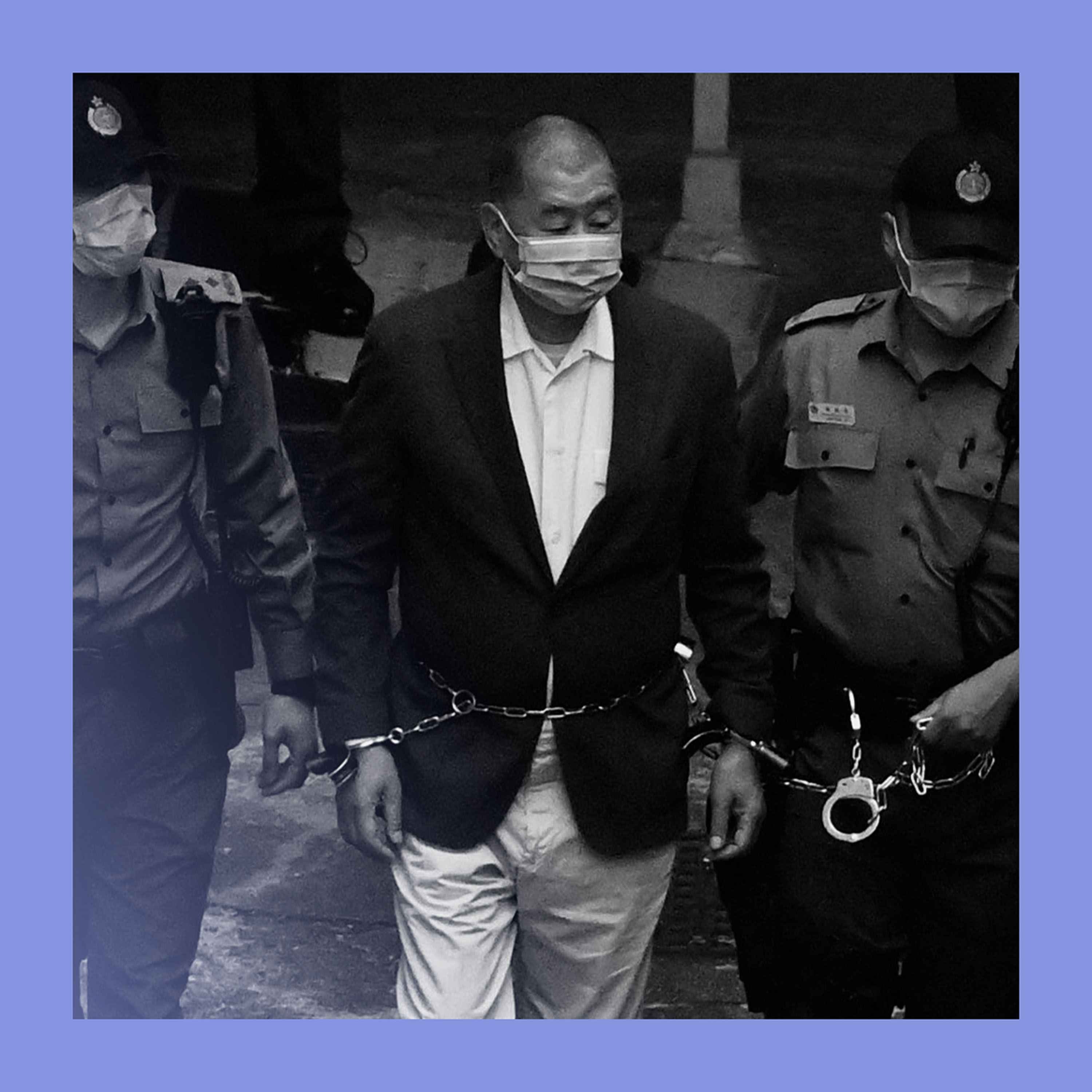
Rallies like Tommy Robinson's, often dismissed by urbanites, show a highly motivated base willing to attend for 6-8 hours. This dedication, missed by mainstream analysis, signals a powerful, underestimated political force that conventional polling and reporting fails to capture.

Figures like Donald Trump don't create populist movements; they rise by capitalizing on pre-existing societal problems like economic despair. Focusing on removing the leader ignores the root causes that allowed them to gain power, ensuring another similar figure will eventually emerge.

Maria Corina Machado describes her generation as one that held politics in contempt and took democracy for granted. This widespread apathy created a power vacuum that allowed Hugo Chavez to rise, teaching a harsh lesson that freedom requires constant and active civic engagement to be preserved.