Get your free personalized podcast brief
We scan new podcasts and send you the top 5 insights daily.
Despite a dismal net approval rating near -30, Argentina's Javier Milei remains the slight favorite for re-election. This is because his most likely challenger suffers from similarly low ratings. This political stalemate, where voters dislike the primary options, creates an opportunity for third-party candidates to gain unexpected support.

Related Insights
Despite his party holding very few seats in Congress, President Javier Milei successfully enacts his agenda by maintaining enormous popular support. This pressures opposition parties to cooperate, as they fear voter backlash if they are seen to obstruct his popular policies.
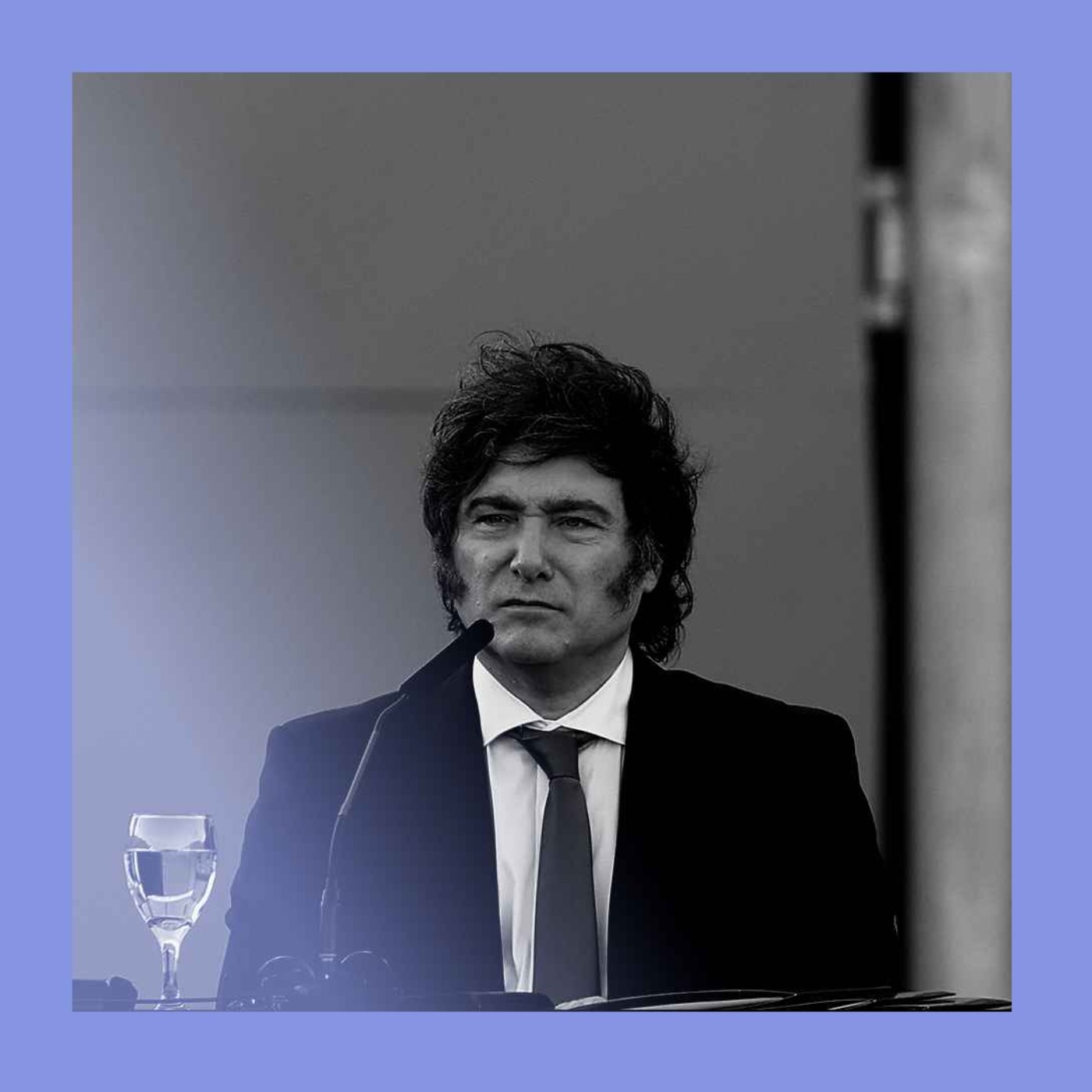
The appeal of a populist leader lies in their rejection of traditional political norms. When the electorate feels betrayed by the established "political class," they gravitate toward figures whose rhetoric is a deliberate and stark contrast, signaling they are an outsider.

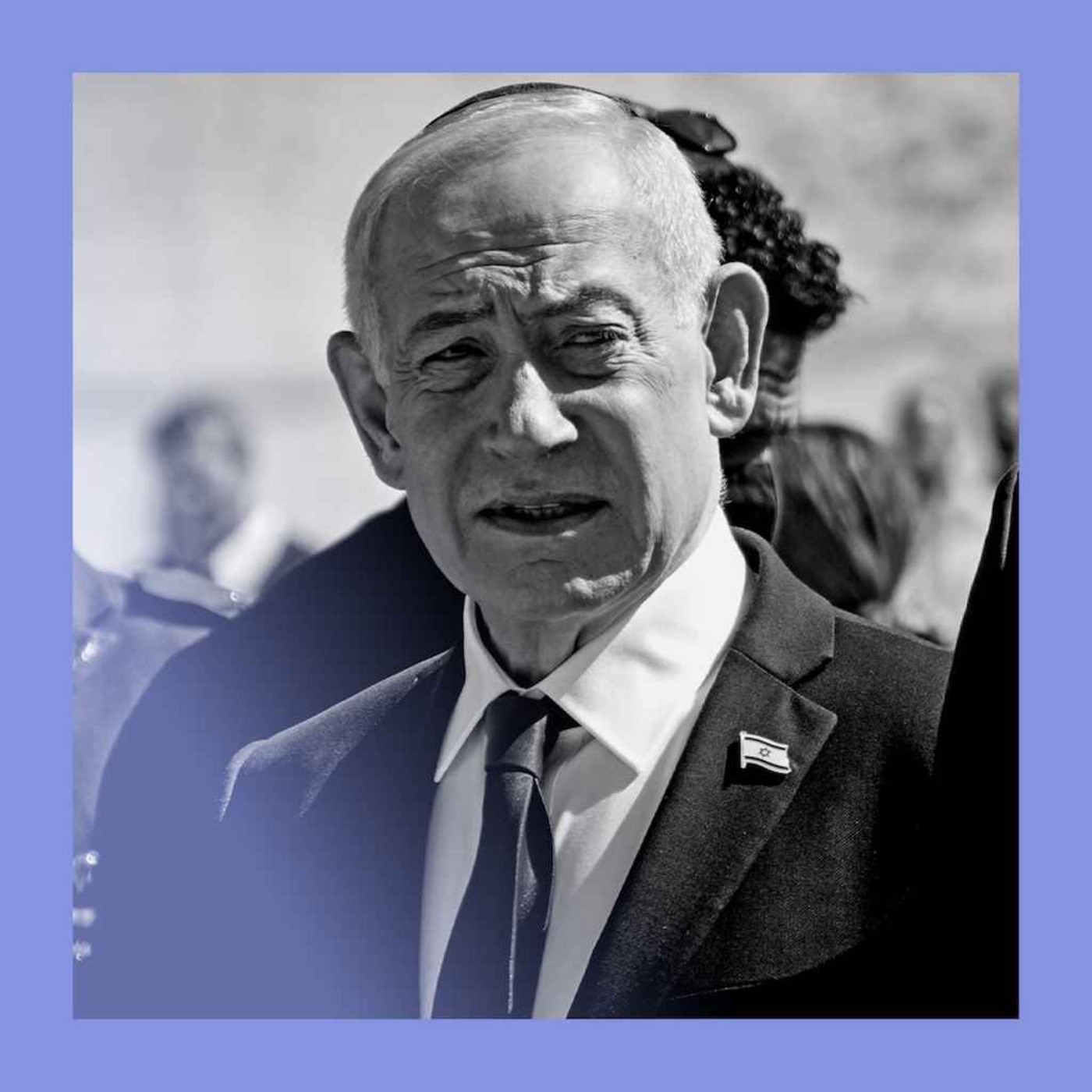
Benjamin Netanyahu's political survival doesn't solely depend on winning a majority. A key advantage is the high probability that the opposition, even with more collective seats, will struggle to form a stable governing coalition, potentially allowing him to remain in power.
Despite Javier Milei's iconoclastic image, his economic program is run by a highly respected, conventional team of technocrats, many from the previous reformist administration. This creates a separation between his "Trumpy" political style and the orthodox, IMF-style stabilization policies being implemented.

Javier Milei's political strategy relies on highlighting the threat of the Peronists returning to power. This tactic, however, amplifies the exact political instability that deters long-term investment. By constantly reminding markets of the risk of policy reversal, he inadvertently reinforces the country's chronic boom-bust economic cycle.
Knowing they would perform well in Buenos Aires, the Peronist party strategically held an early local election. They correctly anticipated President Milei would over-promise on his party's performance, creating a negative market reaction when he under-delivered, thereby executing a "perfectly executed attack" on his program's stability.
UK Labour leader Keir Starmer's survival of a leadership crisis is aided by the lack of a clear, consensus-driven successor. Each potential challenger carries significant political baggage or lacks broad party support. This disunity among would-be challengers gives a weakened incumbent a path to cling to power, despite widespread dissatisfaction.

Javier Malé's midterm victory gives him enough congressional seats to block opposition spending but not enough to pass his own ambitious reforms. His success now hinges on building coalitions, a skill that contrasts with his populist, anti-establishment persona and represents a critical pivot from campaigning to governing.

Despite his libertarian ideals and campaign rhetoric branding China's leadership as "assassins," President Milei has pragmatically deepened trade relations. This flexibility secured a vital $19 billion currency swap line, demonstrating that even ideologically driven leaders must adapt to geopolitical and economic realities, particularly with major trading partners.
Milei successfully reduced Argentina's rampant inflation. However, the high interest rates used to achieve this have stifled job growth. With inflation controlled, voters' concerns have shifted to these new economic pains, creating a "diminishing electoral return" for his primary policy and jeopardizing his re-election.