Get your free personalized podcast brief
We scan new podcasts and send you the top 5 insights daily.
The surprising election of a pro-base governor in Okinawa reflects voter resignation, not a fundamental ideological shift. After years of fruitless opposition and legal defeats against the central government, the electorate pivoted to a candidate focused on pressing "bread and butter" economic issues that were being neglected.

Related Insights
Polling data reveals a dramatic shift in voter priorities. Hot-button cultural issues like race, abortion, and LGBT rights, which dominated discourse just years ago, have plummeted to the bottom of voter concerns. They have been overwhelmingly replaced by tangible economic issues like cost of living, inflation, and the economy.

The primary election discourse in deep-blue California centered on affordability, housing, and homelessness, not national partisan issues. This suggests voters are losing patience and rewarding candidates who focus on governance and competence, a critical lesson for Democrats who often focus on ideological battles.

The appeal of a populist leader lies in their rejection of traditional political norms. When the electorate feels betrayed by the established "political class," they gravitate toward figures whose rhetoric is a deliberate and stark contrast, signaling they are an outsider.

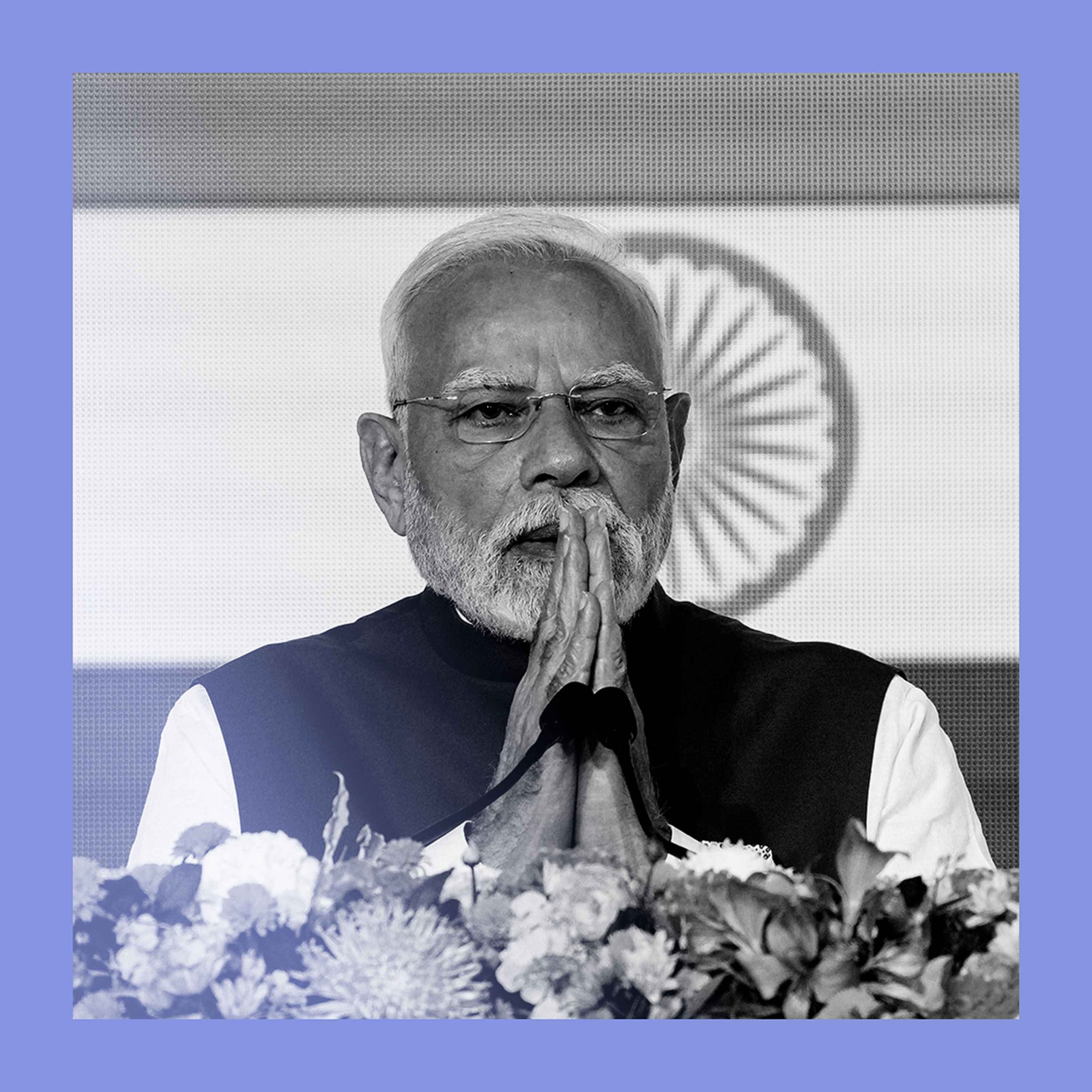
After a disappointing 2024 election where his party lost its majority, Narendra Modi shifted focus from a divisive cultural agenda to pragmatic economic reforms. This includes simplifying taxes, overhauling labor laws, and securing trade deals, a move that has helped him regain political dominance and respond to voter concerns about inflation.
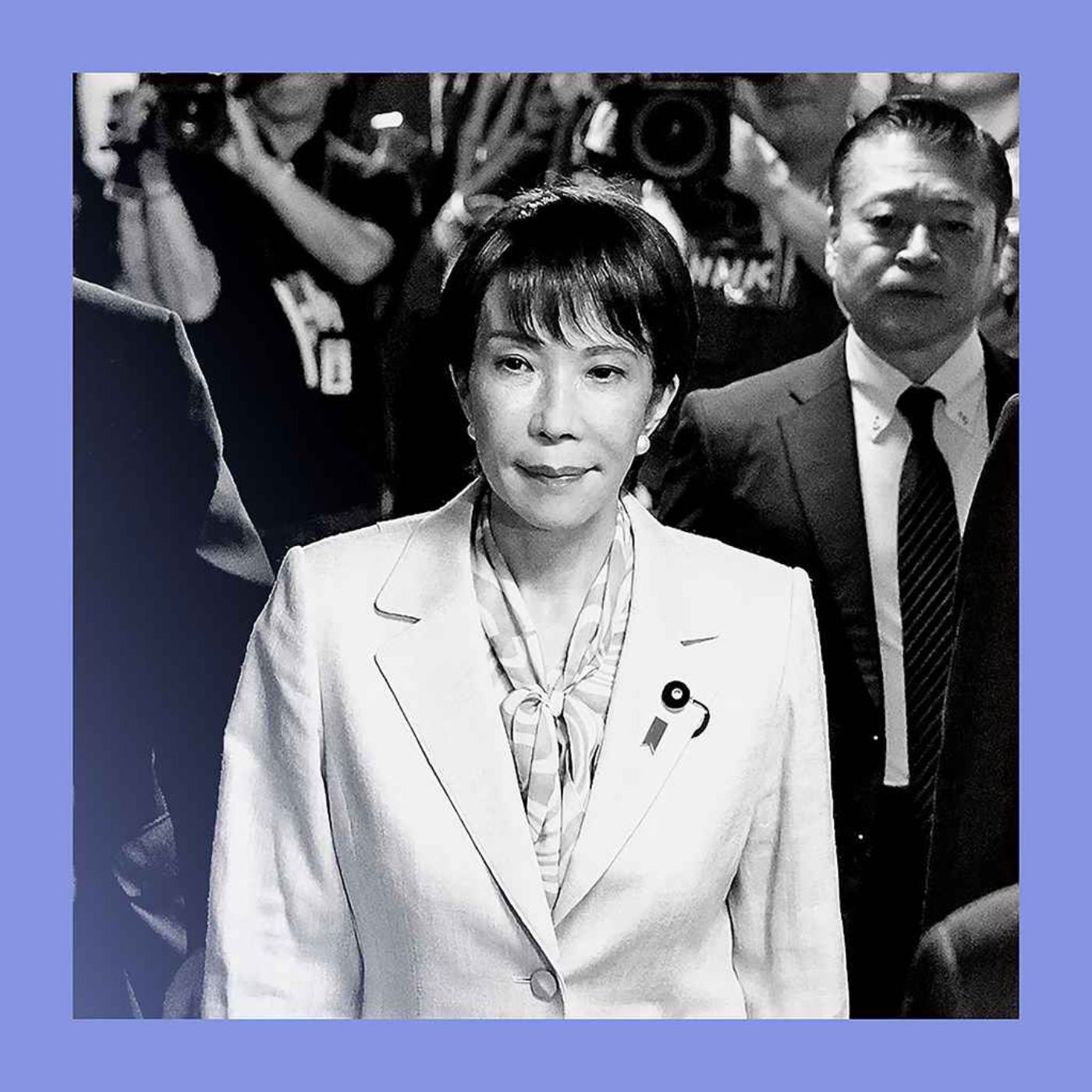
The stunning landslide victory for Japanese hawk Sanae Takaichi may be an unintended consequence of China's own actions. China's uncompromising stance on disputed territories appears to have backfired by creating a strong sense of unity among Japanese voters, propelling a leader with a hardline China policy into power.

Japan's ruling LDP selected Takaichi Sanae, a leader with a brash, populist aesthetic, not to upend the system but to co-opt populist appeal. This strategy aims to fend off genuine anti-establishment challengers and re-establish the party's grip on power, demonstrating a novel approach to maintaining the status quo.
While national political dramas like impeachment generate media attention, state-level elections are ultimately decided by practical, 'boring' issues that directly impact voters' daily lives. In Florida, for example, skyrocketing homeowner's insurance and HOA fees will be more decisive factors than a candidate's role in a national scandal.

The election of leaders like Japan's female prime minister, who enacts hardline policies, shows that voters are primarily driven by shared values, not identity characteristics. When a leader's ideology matches the electorate's, their gender or race becomes secondary.

The most significant point of friction for ordinary Chinese citizens is the constant U.S. military presence near its borders, such as naval patrols in the Taiwan Strait and bases in South Korea and Japan. This sense of being militarily encircled is a more potent source of public frustration than economic disputes.

For some voters, a single, clear display of economic incompetence from an administration—such as an advisor failing to explain basic monetary theory—can be a 'radicalizing' event. This can override all other policy considerations and become the primary reason to vote for the opposition.