Get your free personalized podcast brief
We scan new podcasts and send you the top 5 insights daily.
To overcome his lack of government experience, Spencer Pratt plans to recruit highly successful private-sector leaders to run city departments for a nominal salary. This "dollar-a-year man" strategy aims to import corporate efficiency and operational excellence directly into municipal government.
Related Insights
To recruit elite talent capable of running major corporations into public service, the UAE government pays its ministers salaries comparable to the private sector. The rationale is simple: if you want the best talent, you must compete for it financially. As they say, "if you pay peanuts, you get monkeys."

Spencer Pratt models his mayoral run on the Roman farmer Cincinnatus, who served his state in a crisis and then returned home. This "forward operating base" narrative of temporary civic duty, rather than a career change, effectively taps into public distrust of entrenched politicians.
A city's leader should operate like a CEO, optimizing for the entire municipality rather than specific factions. The primary goal should be creating economic prosperity and opportunities for all residents, from ages 18 to 90. This 'creation' mindset is more effective than political campaigns based on taking from one group to give to another.
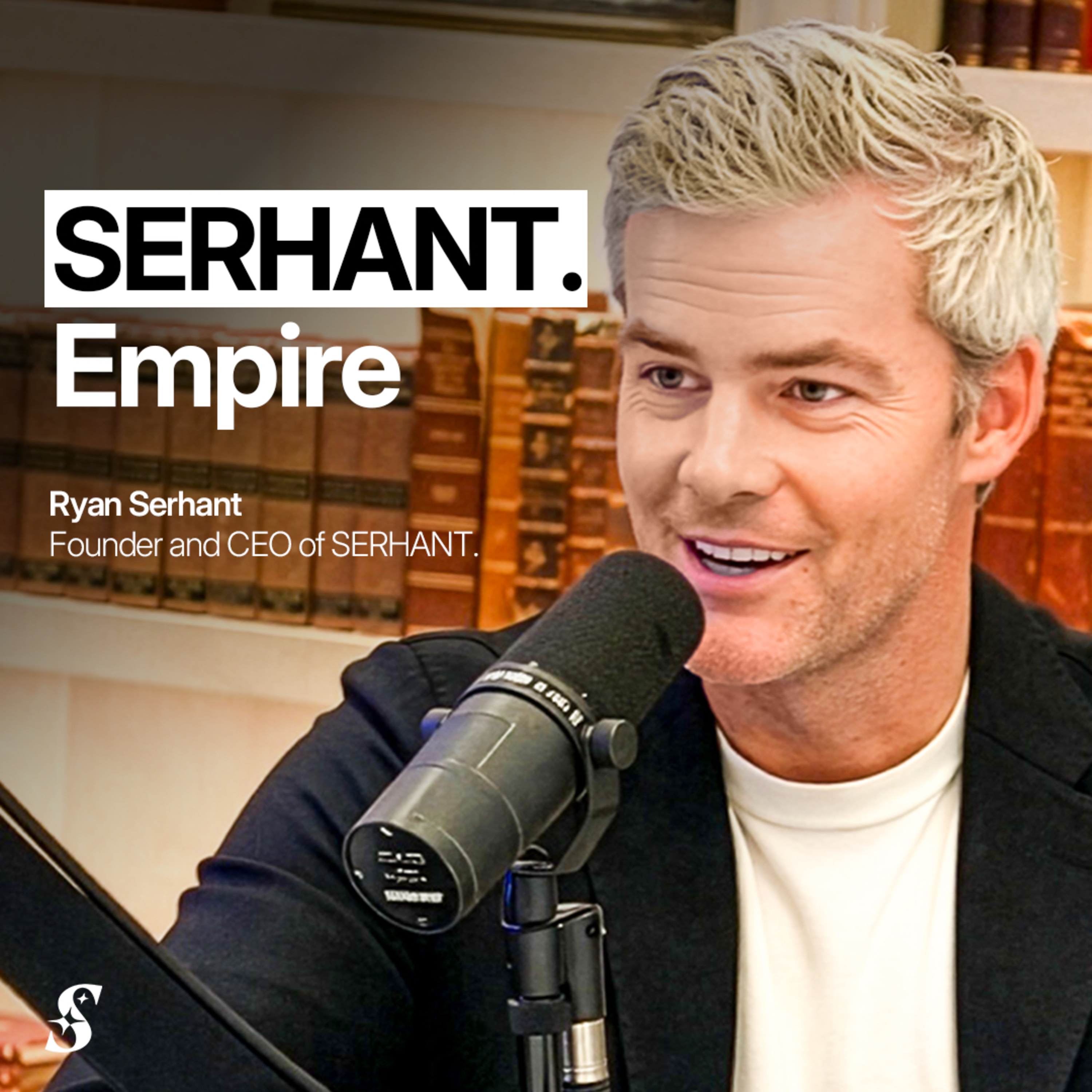
The Under Secretary of War, a former Uber executive, likens his government role to his startup experience. The key parallel is being a "political disruptor" who examines a massive, entrenched bureaucracy like the Department of War with a "clean sheet of paper," questioning existing processes and empowering change from first principles.
Government effectiveness is a talent problem. The US should emulate Singapore, where public service is the most prestigious and highest-paid career path, attracting top performers. This talent-first approach transforms government from a slow bureaucracy into a high-functioning organization, moving beyond the typical "DMV experience."

Youngkin claims that governing a state is a chief executive job. Skills honed in business—setting vision, building teams, and executing for results—are more critical than the legal or legislative experience common among politicians, as voters primarily want to see tangible results.

To improve federal efficiency beyond partisan politics, Oliver Libby proposes creating a Chief Operating Officer for the U.S. government. Modeled after the long-term, cross-administration tenure of the Fed Chair, this role would focus on making government work better for citizens regardless of who is in power.

High-achievers from the private sector are drawn to government service by missions with tangible impact and the resources to execute. The CHIPS program's success in recruiting was tied directly to its significant funding and clear mandate, which is far more compelling than a purely analytical or advisory role.

Singapore's economic success is credited to its founding leaders' decision to attract and retain top-tier talent in the civil service and politics with high compensation. This creates a highly competent bureaucracy capable of sophisticated, long-term policy planning that enables a thriving business environment.

An effective governance model involves successful private sector leaders doing a "tour of duty" in government. This brings valuable, real-world expertise to policymaking. While critics cite conflicts of interest, the benefit is having qualified individuals shape regulations for national benefit, rather than career bureaucrats.