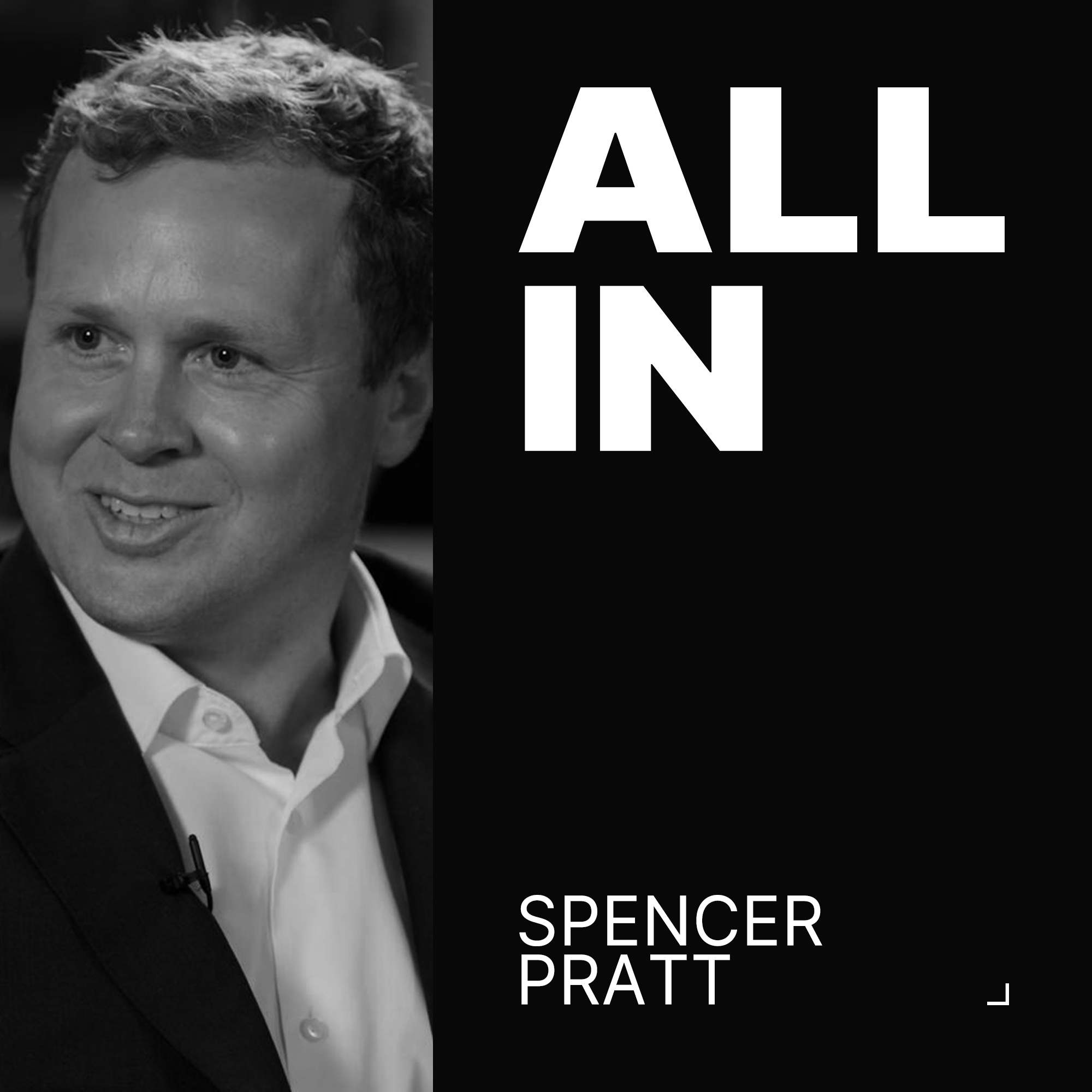
Media mogul Peter Chernan advised Spencer Pratt that a mayor's most effective lever for reviving Hollywood isn't chasing big studios, but creating a thriving ecosystem for independent filmmakers. This local-first approach can bring back jobs and creativity without relying on state-level tax policy.
Pratt argues that multi-billion dollar transit projects are futile if citizens don't feel safe using them. Regardless of efficiency or reach, a subway line will see low adoption if users face threats like fentanyl use and assault. Public safety is the foundational layer upon which other urban services must be built.
A significant barrier to addressing drug addiction among the homeless is a state-level policy called "Homekey." According to Pratt, this program withholds funding from city housing projects that mandate sobriety, creating a perverse incentive for municipalities to tolerate drug use within the system.
To overcome his lack of government experience, Spencer Pratt plans to recruit highly successful private-sector leaders to run city departments for a nominal salary. This "dollar-a-year man" strategy aims to import corporate efficiency and operational excellence directly into municipal government.
Spencer Pratt's debate readiness came not from traditional prep, but from months of adversarial media interviews where he was forced to be "bulletproof" with facts. This constant, real-world opposition proved more effective than simulated debate camps for a challenger.
Spencer Pratt models his mayoral run on the Roman farmer Cincinnatus, who served his state in a crisis and then returned home. This "forward operating base" narrative of temporary civic duty, rather than a career change, effectively taps into public distrust of entrenched politicians.
Pratt details an alleged corruption model where an NGO received $57M in city funds to purchase a building listed for $11M just days earlier. This highlights how non-profits can use opaque real estate transactions and developer kickbacks to profit from public grants without providing services.
A significant roadblock to enforcing quality-of-life laws is an alleged internal policy preventing officers from citing individuals who are homeless. This "culturally insensitive" directive paralyzes law enforcement, allowing issues like public drug use and animal abuse to go unaddressed, regardless of existing statutes.
After losing his home and finances in a fire, Spencer Pratt leveraged the 15th anniversary of his wife's album by launching a TikTok campaign. This drove the old album to #1 on Billboard and generated crucial immediate funds, showcasing an unconventional but effective modern crisis fundraising strategy.
Spencer Pratt's campaign gained massive traction not from his official ads, but from viral, emotionally-charged content created by unaffiliated supporters. This demonstrates that in modern politics, a genuine grassroots movement can cut through noise more effectively than a polished, top-down campaign.
When politicians cite falling crime rates, they may be missing the real story. Pratt argues the numbers are down because residents, frustrated by slow or nonexistent police response, have stopped reporting crimes altogether. This creates a dangerous disconnect between official data and the lived reality of public safety.