Get your free personalized podcast brief
We scan new podcasts and send you the top 5 insights daily.
Youngkin claims that governing a state is a chief executive job. Skills honed in business—setting vision, building teams, and executing for results—are more critical than the legal or legislative experience common among politicians, as voters primarily want to see tangible results.

Related Insights
A city's leader should operate like a CEO, optimizing for the entire municipality rather than specific factions. The primary goal should be creating economic prosperity and opportunities for all residents, from ages 18 to 90. This 'creation' mindset is more effective than political campaigns based on taking from one group to give to another.
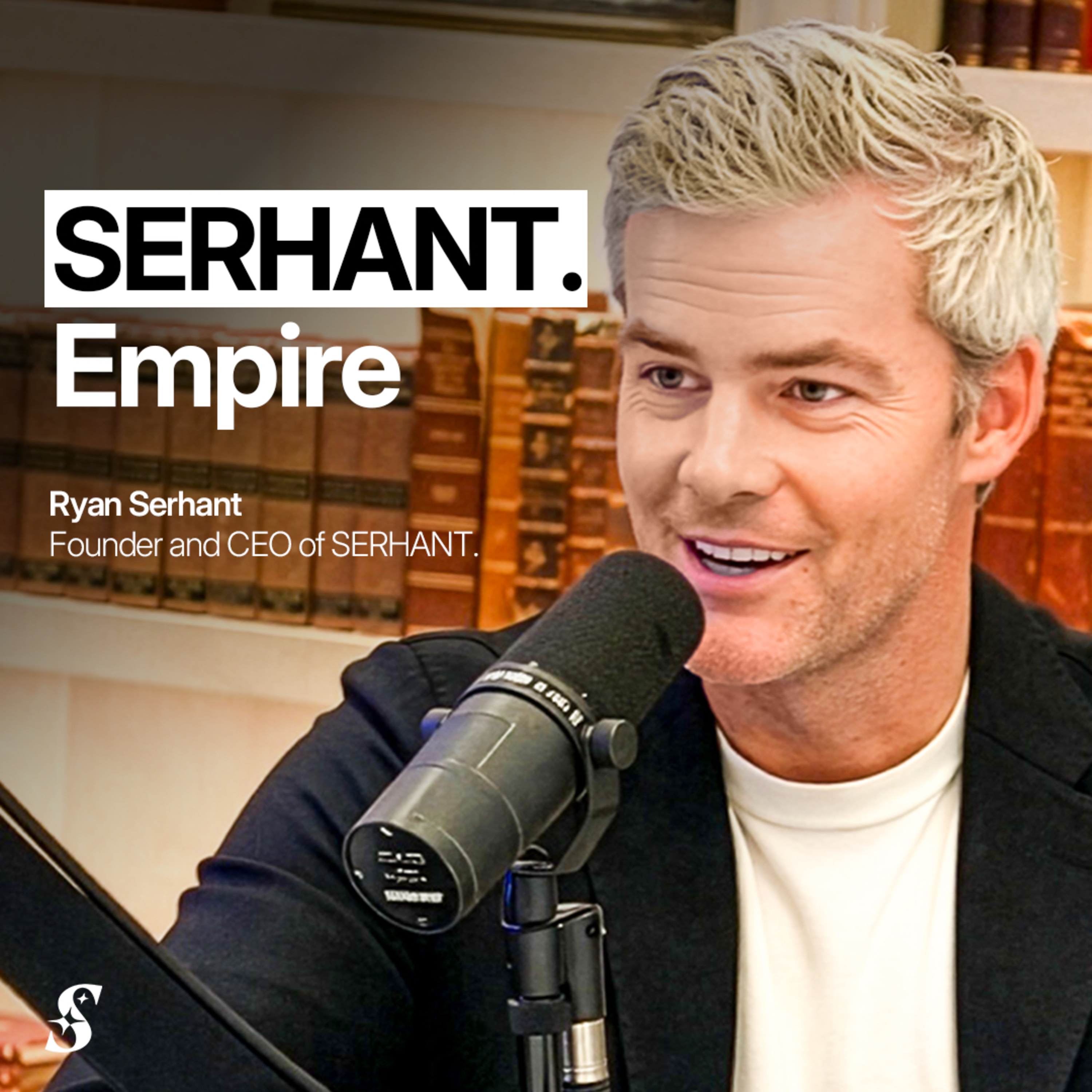
In a potential presidential bid, Emanuel positions himself as a results-oriented leader focused on tangible achievements, like raising Chicago's graduation rates. This contrasts with what he frames as the title-seeking ambitions of other politicians, a message aimed at voters tired of political posturing.

The inability to run for re-election creates a powerful forcing function for governors. It eliminates the distraction of a second campaign and instills a sense of urgency to achieve as much as possible in a compressed four-year timeline, which Youngkin calls "eight years of work."
Unlike politics, where ideology can persist despite failure, entrepreneurship demands a strict adherence to what works. The need to make payroll and avoid business failure forces an honest assessment of cause and effect, a discipline often missing from public policy debates.

The show highlights leaders who step into roles 'a lot of people might have actively avoided.' This framing suggests that the most valuable executive trait in today's 'uniquely complex time' is not just operational skill, but a willingness and instinct to tackle deeply challenging, high-risk, and potentially unpopular leadership situations.

Trump's seemingly chaotic approach is best understood as a CEO's leadership style. He tells his staff what to do rather than asking for opinions, uses disruption as a negotiation tactic, and prioritizes long-term outcomes over short-term public opinion or procedural harmony.

Policymakers and experts who have a track record of success in high-stakes financial markets (risking their own money) possess a practical understanding that academics often lack. Being a market 'gladiator' with real wins and losses is a more reliable indicator of economic competence than credentials alone.

Unlike typical consensus-driven politicians, Donald Trump is described as acting with the urgency of a startup founder, making decisions and taking action in real-time to solve problems, which accelerates policy execution.

The CHIPS program director was chosen for the ability to 'get something done in government,' not for a background in semiconductors. For a massive federal startup, navigating bureaucracy and building processes from scratch is a more critical leadership skill than pre-existing industry knowledge, which can be hired onto the team.
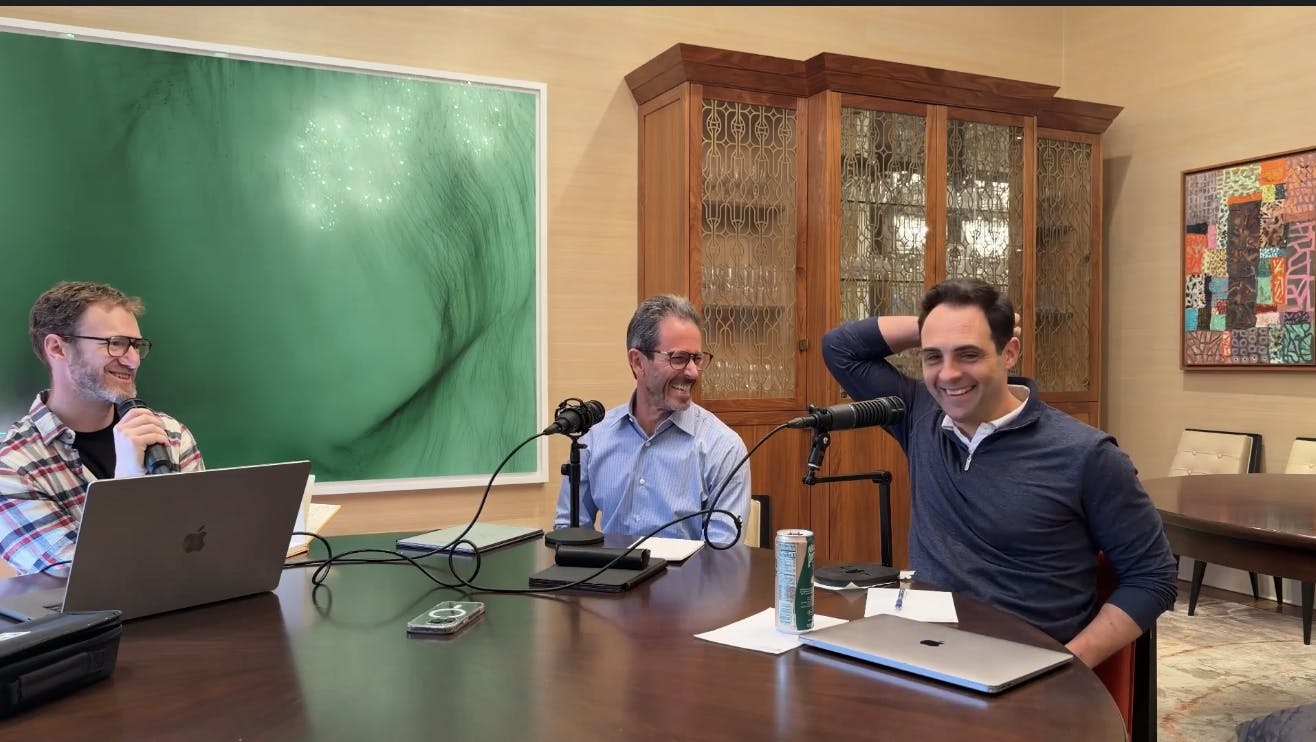
Investor preference for CEOs has shifted dramatically. While 2019-2021 favored scientific founder-CEOs, today’s tough market demands leaders with prior CEO experience. The ideal candidate has a "matrix organization" background, understanding all business functions, not just the science.