Get your free personalized podcast brief
We scan new podcasts and send you the top 5 insights daily.
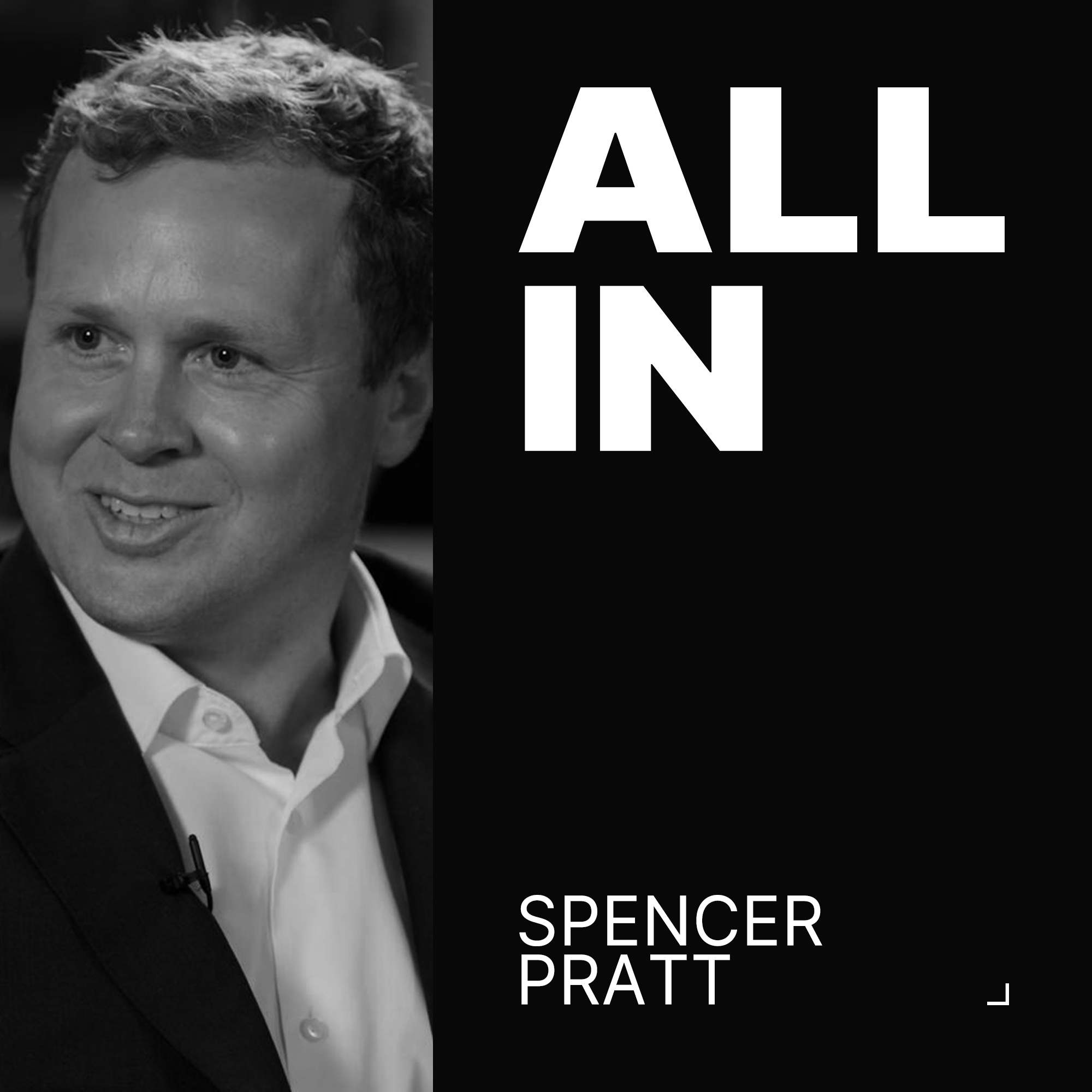
Spencer Pratt models his mayoral run on the Roman farmer Cincinnatus, who served his state in a crisis and then returned home. This "forward operating base" narrative of temporary civic duty, rather than a career change, effectively taps into public distrust of entrenched politicians.
Related Insights
Spencer Pratt's debate readiness came not from traditional prep, but from months of adversarial media interviews where he was forced to be "bulletproof" with facts. This constant, real-world opposition proved more effective than simulated debate camps for a challenger.
The appeal of a populist leader lies in their rejection of traditional political norms. When the electorate feels betrayed by the established "political class," they gravitate toward figures whose rhetoric is a deliberate and stark contrast, signaling they are an outsider.

To overcome his lack of government experience, Spencer Pratt plans to recruit highly successful private-sector leaders to run city departments for a nominal salary. This "dollar-a-year man" strategy aims to import corporate efficiency and operational excellence directly into municipal government.
Spencer Pratt's campaign gained massive traction not from his official ads, but from viral, emotionally-charged content created by unaffiliated supporters. This demonstrates that in modern politics, a genuine grassroots movement can cut through noise more effectively than a polished, top-down campaign.
In a potential presidential bid, Emanuel positions himself as a results-oriented leader focused on tangible achievements, like raising Chicago's graduation rates. This contrasts with what he frames as the title-seeking ambitions of other politicians, a message aimed at voters tired of political posturing.

Viewing politicians as athletes in a game reveals their true motivation: gaining and retaining power. This framework explains seemingly inconsistent actions, like flip-flopping, as strategic plays for short-term public sentiment rather than reflections of moral conviction or long-term vision.

A mayoral candidate secured a key victory moment in a debate by stating his first trip would be to a local borough, not a foreign country. This demonstrated that focusing on immediate constituent needs resonates more with voters than the performative, global virtue signaling often adopted by opponents.

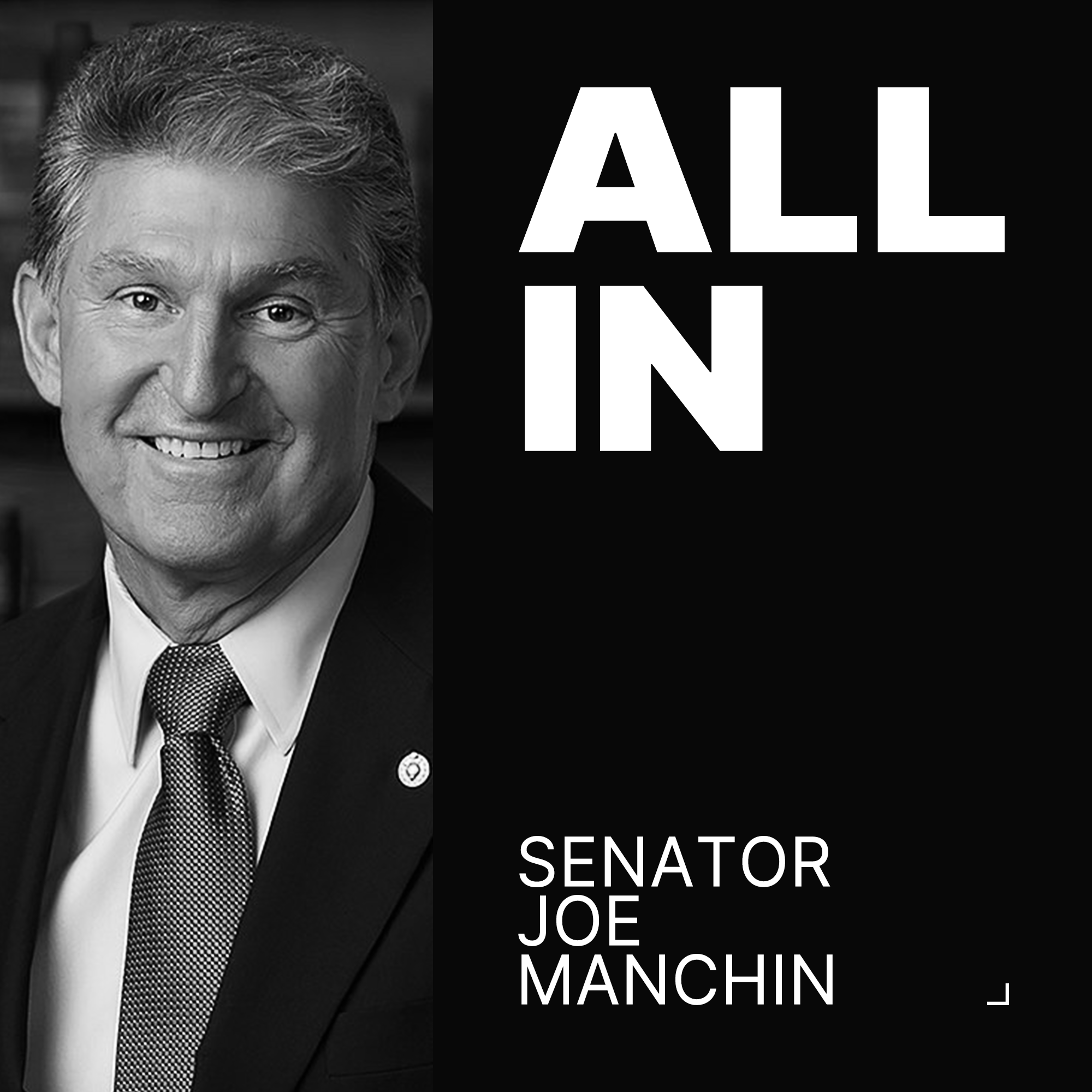
A constituent's comment reframed Manchin's view on term limits. Instead of focusing on the loss of experience, she argued term limits might guarantee at least one term where a politician acts on conviction—putting country before party—rather than on constant re-election fears.
Early in his career, Julius Caesar built his anti-establishment brand by prosecuting corrupt governors. While he often lost these high-profile cases, the publicity stunts successfully positioned him as a champion of justice and an opponent of the entrenched oligarchy, winning him crucial popular support.

The rivalry between the glamorous Scipio and the austere Cato represents a core tension in the Roman Republic. Cato championed traditional, collective Roman values against Scipio's individualistic charisma and fame. His ultimate triumph over Scipio demonstrates the institutional preference for conformity and fear of any single citizen becoming too powerful, even a national hero.
