Get your free personalized podcast brief
We scan new podcasts and send you the top 5 insights daily.
The 8,000 US ground troops in the Gulf of Oman are not for a full-scale invasion but for a limited operation to capture a remote Iranian port like Jask. This action would serve as a symbolic victory for President Trump to showcase strength before the midterm elections, despite its limited strategic value.

Related Insights
The predicted US strategy for Iran involves deploying ground troops not for a full-scale invasion, but to establish forward operating bases. These bases would arm and train ethnic minority insurgents, creating internal chaos that forces the Iranian military out of its mountain hideouts.

Fears of a US-Iran conflict disrupting oil flows are overstated. Any potential US military action would likely be designed to be 'surgical' to specifically avoid Iran's oil infrastructure, as the administration's priority is preventing economic shocks and energy price hikes ahead of elections.

The seemingly "Trumpiest" option of unilaterally declaring victory and withdrawing is highly risky. Iran could simply continue its hostile actions, such as keeping the Strait of Hormuz closed. This would immediately expose the "victory" as a sham, turning a political win into a major international humiliation for the president.
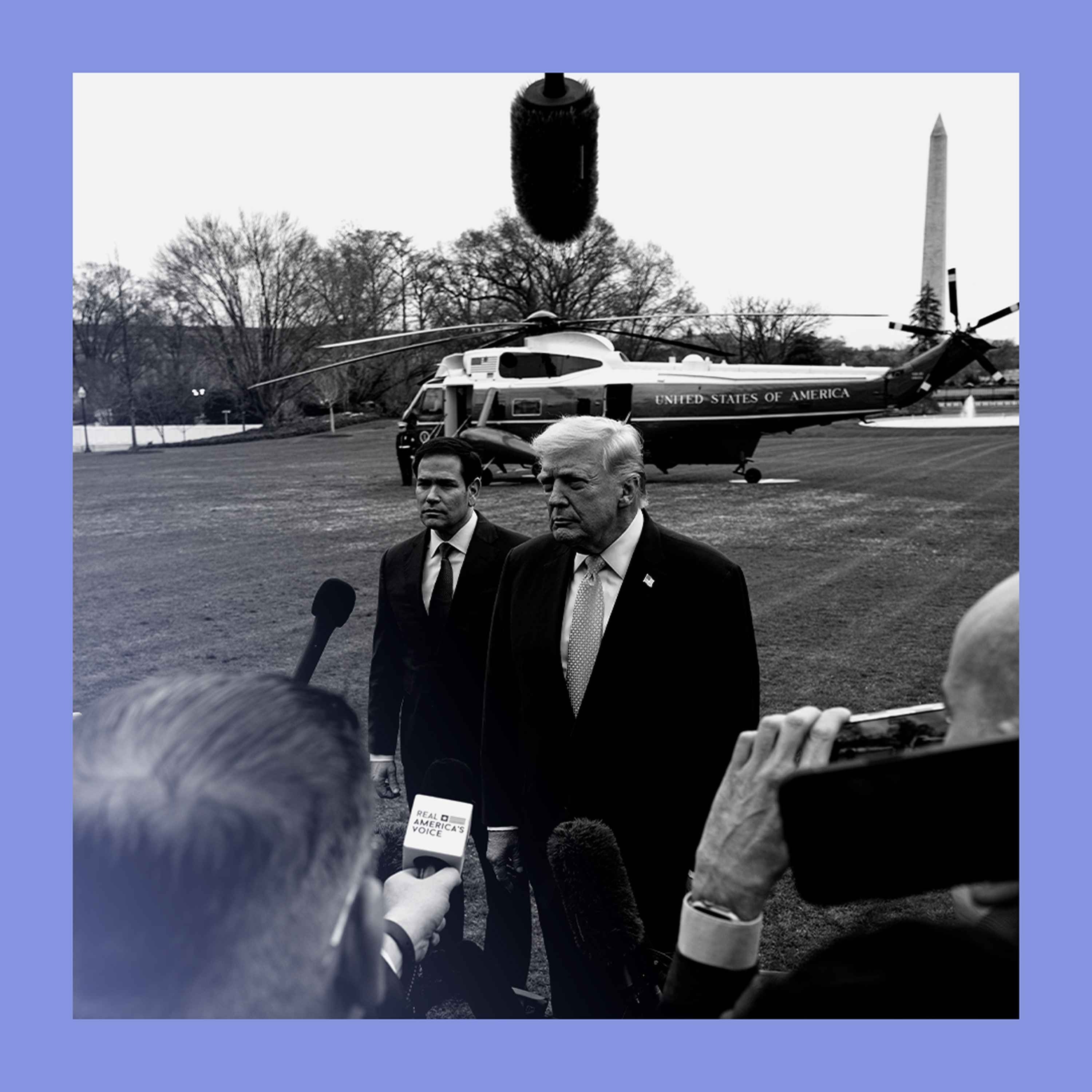
Donald Trump's aggressive rhetoric was not just bluster but a calculated strategy to justify a three-week bombing campaign. This aerial assault was designed to soften Iranian defenses before deploying US ground troops, framing the speech as a declaration of intent rather than a negotiation tactic.

Despite the largest military deployment in 20 years, President Trump's goal is not necessarily conflict. He would rather use the credible threat of force as leverage to secure a diplomatic deal with Iran, providing him an "off-ramp" from his aggressive posturing.

A loss in the upcoming midterm elections, potentially triggered by a perceived defeat in Iran or a resulting economic crisis, would likely result in impeachment proceedings and paralyze his domestic agenda. Escalating the conflict is a high-risk gamble to prevent this political outcome.
The strategy of capturing Iran's main oil terminal, Kharg Island, to gain leverage is misguided. Iran has developed alternative export routes, including other ports, rail links, and sophisticated smuggling networks. The regime would rather endure financial pain than capitulate to foreign invasion.

A plan to seize Iran's Kharg Island ignores immense logistical challenges and underestimates Iranian resolve. Rather than compelling Iran to open the Strait of Hormuz, this telegraphed move would likely create a catastrophic hostage situation for US forces.

The President is in a strategic corner over Iran. He cannot politically withdraw while the Strait of Hormuz is closed, as it would be seen as a major defeat. Yet, every day the conflict continues, Iran claims a symbolic victory merely by surviving, making the situation a losing proposition for the U.S. regardless of the outcome.

Seizing an island to control oil exports creates a tactical vulnerability. This forces an expansion to the coast, then the mountains, mirroring how a small deployment in Vietnam escalated into a full-scale ground war.