Get your free personalized podcast brief
We scan new podcasts and send you the top 5 insights daily.
Seizing an island to control oil exports creates a tactical vulnerability. This forces an expansion to the coast, then the mountains, mirroring how a small deployment in Vietnam escalated into a full-scale ground war.

Related Insights
By attacking just a few ships, Iran creates enough perceived risk to make insurance carriers unwilling to cover vessels transiting the Strait of Hormuz. This effectively disrupts 20% of the world's oil supply without needing a large-scale military blockade, a key tactic in asymmetric economic warfare.

Current US military actions, like strikes on Iran's Kharg Island, are influenced by Donald Trump's personal obsession with the location dating back almost 50 years. This reveals how a leader's long-held personal biases, rather than purely contemporary strategic calculus, can dictate high-stakes geopolitical maneuvers.
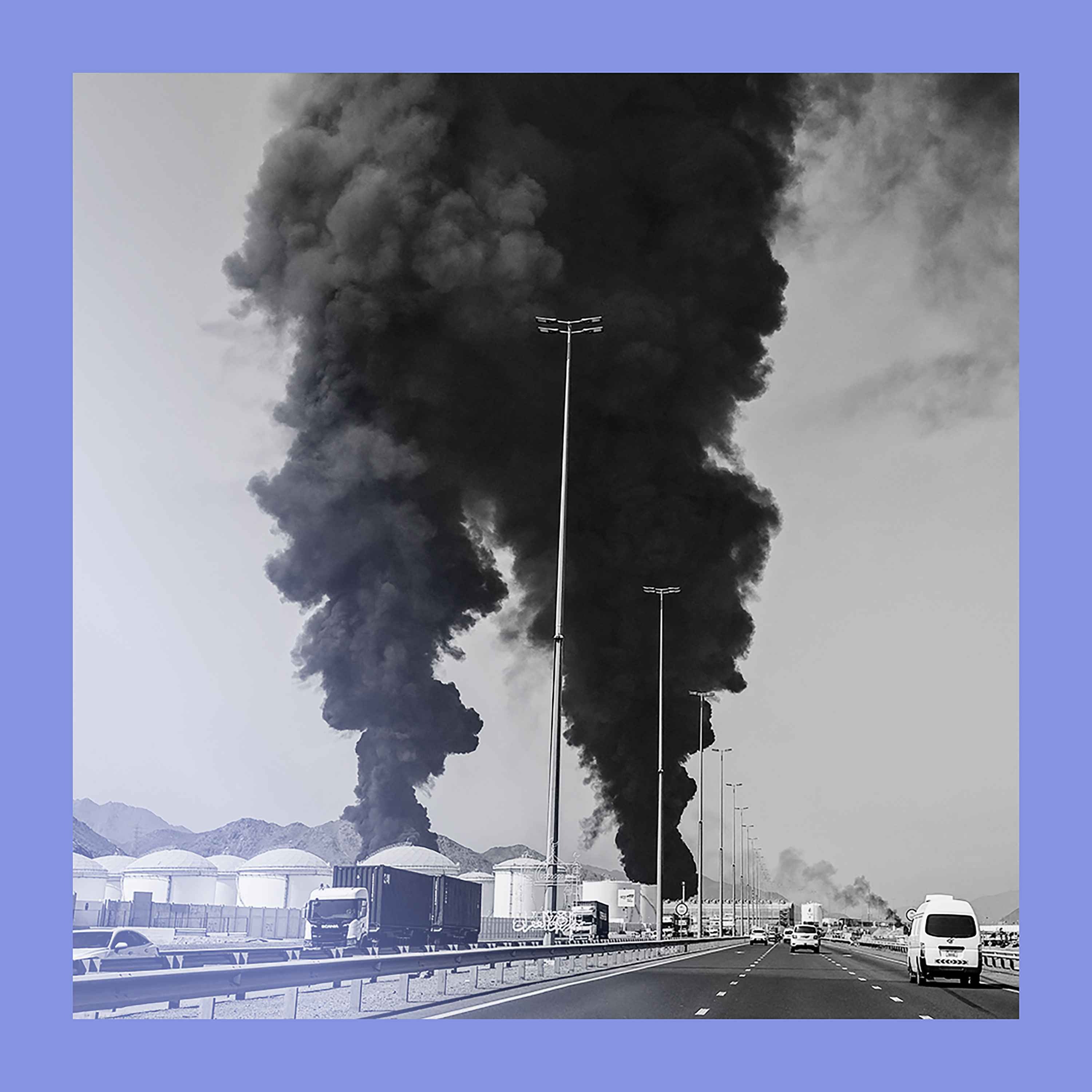
Countries like the UAE and Saudi Arabia are ambivalent about US military action. Their primary fear is not a full-scale war, but a limited 'hit-and-run' strike where the US attacks and then diverts attention, leaving them 'naked and vulnerable' to Iranian retaliation without a long-term American security presence.

The podcast uses a video game analogy to stress that in real-world conflicts, there's no option to restart after a mistake. Decisions, like the current Iran strategy, have permanent, cascading consequences that cannot be undone by simply changing tactics.

Iran doesn't need a naval blockade to close the Strait of Hormuz. The mere threat of drone and missile attacks is enough to deter shippers and insurers, creating a "de facto closure." This asymmetrical strategy highlights how psychological warfare can be as effective as direct military action in disrupting global trade.
Israel's initial war plan was a targeted campaign against Iran's ballistic missile project. The conflict escalated into a broader, less attainable mission of regime change after the Trump administration joined, demonstrating how a powerful ally's involvement can lead to strategic "mission creep."

The immediate oil price risk from the Iran conflict isn't just the temporary blockage of the Strait of Hormuz. The greater danger is a kinetic strike that damages critical infrastructure like pipelines or ports, which would take significant time to repair and create a prolonged supply crisis.

Iran has begun mining the Strait of Hormuz, a significant military escalation. Historical precedent from the 1991 Iraq conflict suggests it could take the U.S. military two months to clear the mines, establishing a potential timeline for the severe supply disruption and justifying oil's surge to $100 per barrel.

Even if the US withdraws from the conflict, Iran has demonstrated its willingness to attack Gulf oil infrastructure. This establishes a new, persistent risk, fundamentally changing the security calculus and embedding a long-term price premium into the market that presidential rhetoric alone cannot erase.
Escalating war with Iran carries a catastrophic risk beyond closing the Strait of Hormuz. Iran could target the desalination plants that provide water to millions in the Arabian Peninsula, rendering the region uninhabitable and destroying its economy.
