Get your free personalized podcast brief
We scan new podcasts and send you the top 5 insights daily.
A plan to seize Iran's Kharg Island ignores immense logistical challenges and underestimates Iranian resolve. Rather than compelling Iran to open the Strait of Hormuz, this telegraphed move would likely create a catastrophic hostage situation for US forces.

Related Insights
The failure to militarily secure the Strait of Hormuz is a major strategic concession. It demonstrates a critical vulnerability and effectively hands Iran control over a global economic chokepoint, allowing them to wield immense leverage over international trade.
The 20 million barrels of oil flowing daily through the Strait of Hormuz represent 20% of global supply. A blockade constitutes a disruption four times larger than the Iranian Revolution or Yom Kippur War embargoes, with no simple replacement.

Despite the Strait of Hormuz closure being a long-theorized scenario, the US military response was 'insufficient' and lacked preparedness. Iran achieved a near-total shutdown with minimal force, relying on the *threat* of attack, revealing a significant gap in US strategic readiness.

The US has long used the threat of military force to keep the Strait of Hormuz open. By failing to act despite a large naval presence, it has revealed this deterrent is hollow. This hands Iran a proven economic weapon and erodes the credibility of US power projection globally.
Iran doesn't need a naval blockade to close the Strait of Hormuz. The mere threat of drone and missile attacks is enough to deter shippers and insurers, creating a "de facto closure." This asymmetrical strategy highlights how psychological warfare can be as effective as direct military action in disrupting global trade.
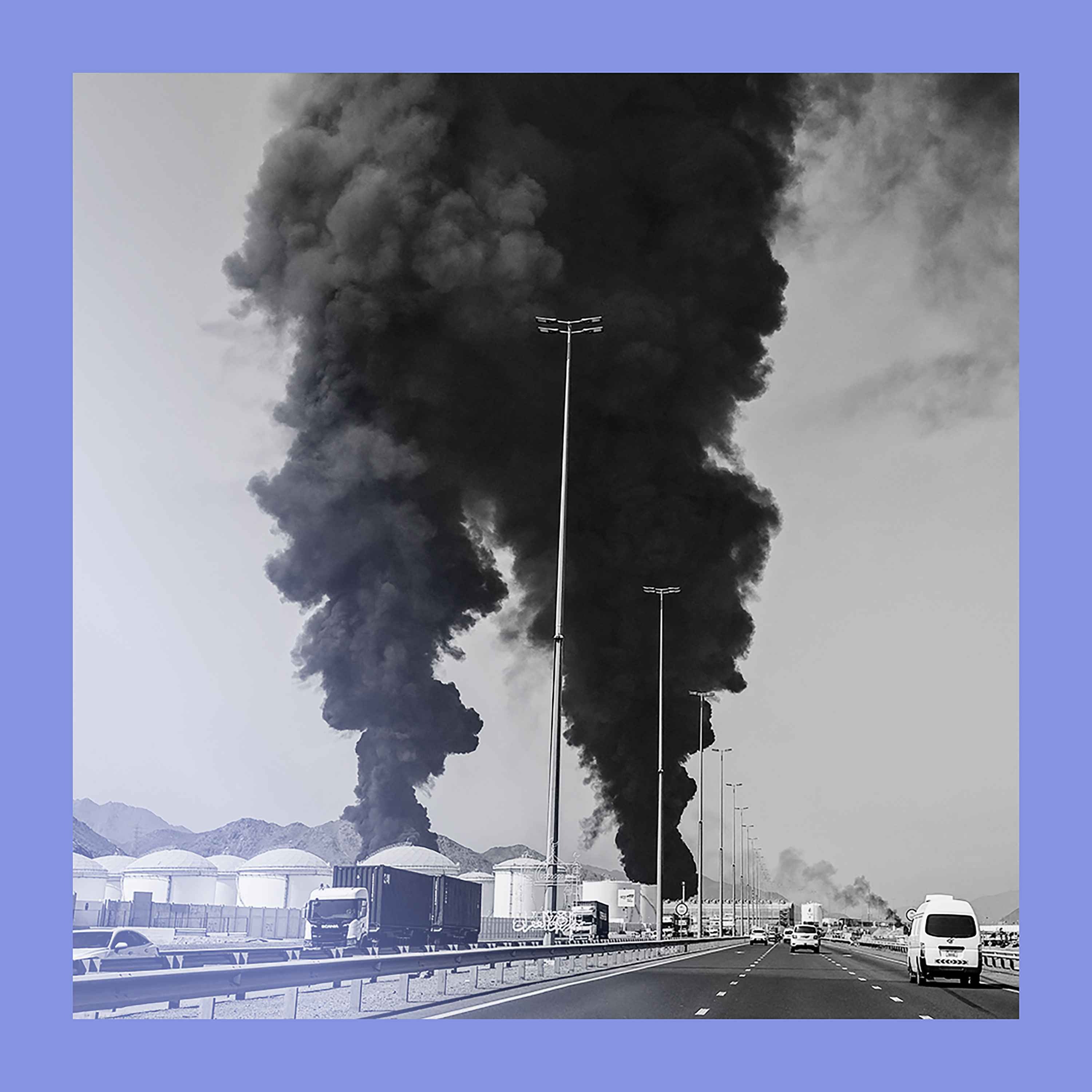
The strategy of capturing Iran's main oil terminal, Kharg Island, to gain leverage is misguided. Iran has developed alternative export routes, including other ports, rail links, and sophisticated smuggling networks. The regime would rather endure financial pain than capitulate to foreign invasion.
A potential off-ramp for the conflict is not military victory but a bureaucratic financial solution. By massively increasing the US Development Finance Corporation’s political risk insurance limit, the US could underwrite maritime shipping, incentivizing transit despite the military risk.
Seizing an island to control oil exports creates a tactical vulnerability. This forces an expansion to the coast, then the mountains, mirroring how a small deployment in Vietnam escalated into a full-scale ground war.

Iran isn't blockading everyone, but specifically targeting the U.S. and its allies. This politically savvy move forces the U.S. to seek help from allies who may not see it as their problem, thereby exposing fractures in Western alliances.

The idea of seizing Iran's highly enriched uranium is misleadingly framed as a 'raid.' In reality, it would require the largest airborne operation in history, attacking three distinct sites simultaneously to maintain surprise. The sheer scale and complexity make it a nearly impossible military feat.