Get your free personalized podcast brief
We scan new podcasts and send you the top 5 insights daily.
The President is in a strategic corner over Iran. He cannot politically withdraw while the Strait of Hormuz is closed, as it would be seen as a major defeat. Yet, every day the conflict continues, Iran claims a symbolic victory merely by surviving, making the situation a losing proposition for the U.S. regardless of the outcome.

Related Insights
The failure to militarily secure the Strait of Hormuz is a major strategic concession. It demonstrates a critical vulnerability and effectively hands Iran control over a global economic chokepoint, allowing them to wield immense leverage over international trade.

The seemingly "Trumpiest" option of unilaterally declaring victory and withdrawing is highly risky. Iran could simply continue its hostile actions, such as keeping the Strait of Hormuz closed. This would immediately expose the "victory" as a sham, turning a political win into a major international humiliation for the president.
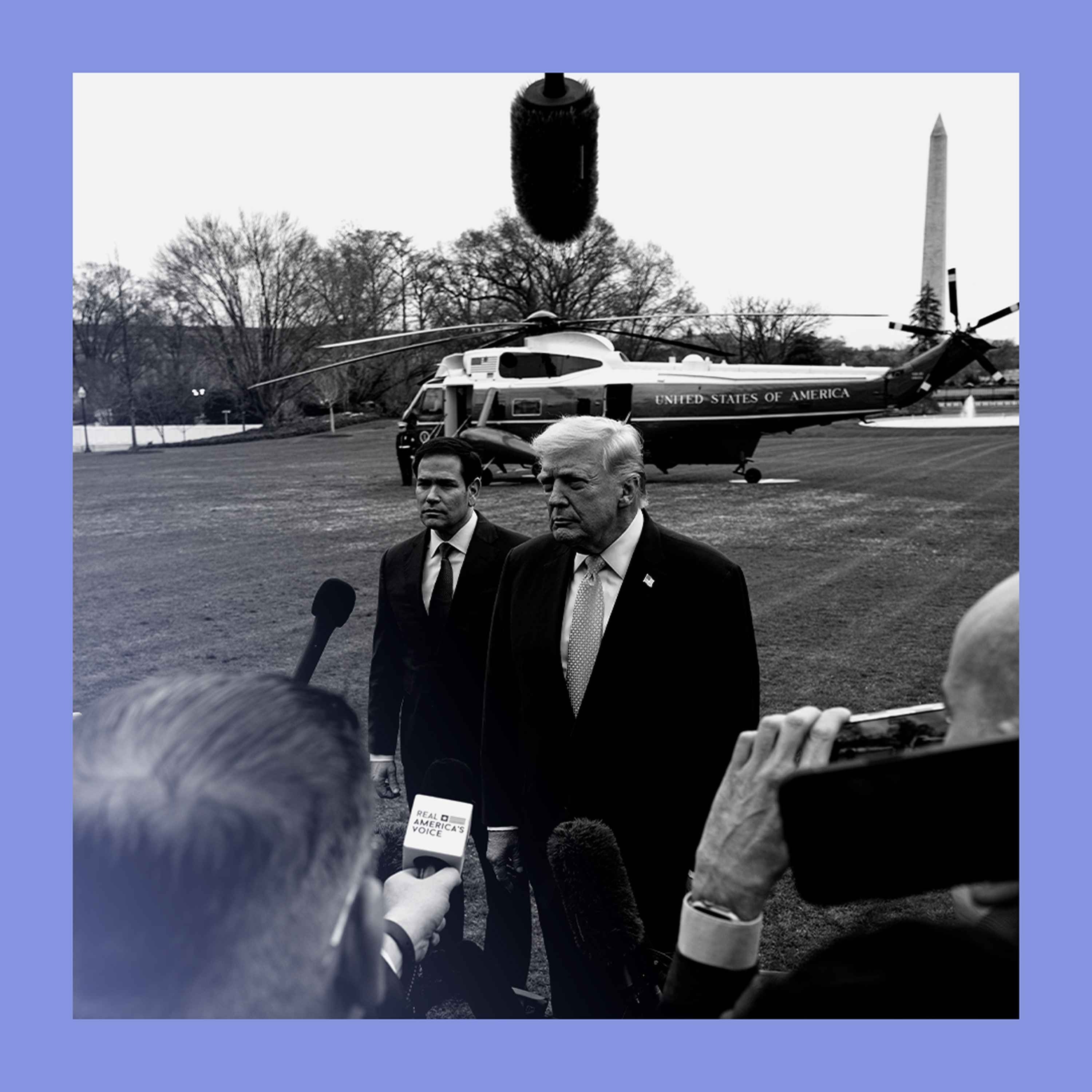
The US is trapped. Withdrawing from Iran would signal imperial collapse, causing allies to defect and the dollar to fail. Therefore, leaders feel forced to double down and escalate, like a gambler chasing losses.

The host critiques Trump's premature declarations of victory in Iran, citing historical examples like Afghanistan where superpowers become trapped in unwinnable conflicts against insurgents. This highlights the dangerous gap between effective political messaging and complex military realities.

The conflict progresses through predictable stages: 1) US bombs, strengthening the regime; 2) Iran retaliates by taking the Strait of Hormuz; 3) US considers a ground war. This creates a trap where each step leads to a fork between a ground war or Iran's rise as a world power.

Military strikes against Iranian assets are insufficient for the US to claim victory. The conflict's true endgame hinges on controlling maritime traffic in the Strait of Hormuz, as this economic chokepoint represents Iran's ultimate leverage and prevents a US declaration of success.

Iran's strategy isn't a quick military victory but a war of attrition. By accepting a long timeline and inflicting small but consistent damage, it aims to erode US domestic support for the war, especially in an election year, and outlast the current administration.

Contrary to decades of public statements prioritizing low gas prices, President Trump is prolonging the Iran conflict despite oil soaring over $100. The political cost of being perceived as weak and handing Iran a narrative victory outweighs the economic pain for him in this context.

The strategy of continuing a war of attrition to degrade Iran's military capabilities has a critical flaw. Even if missile launches are reduced by over 90%, Iran only needs to maintain a very small volume of attacks on the Strait of Hormuz to effectively keep the vital waterway closed, thereby nullifying the primary objective of the US and its allies.
Despite significant military losses, Iran is successfully leveraging its control over the Strait of Hormuz. This asymmetric strategy chokes global energy markets, creating economic pain that Western nations may be less willing to endure than Iran, potentially snatching a strategic victory from a tactical defeat.
