Get your free personalized podcast brief
We scan new podcasts and send you the top 5 insights daily.
The strategy of capturing Iran's main oil terminal, Kharg Island, to gain leverage is misguided. Iran has developed alternative export routes, including other ports, rail links, and sophisticated smuggling networks. The regime would rather endure financial pain than capitulate to foreign invasion.

Related Insights
By attacking just a few ships, Iran creates enough perceived risk to make insurance carriers unwilling to cover vessels transiting the Strait of Hormuz. This effectively disrupts 20% of the world's oil supply without needing a large-scale military blockade, a key tactic in asymmetric economic warfare.

Fears of a US-Iran conflict disrupting oil flows are overstated. Any potential US military action would likely be designed to be 'surgical' to specifically avoid Iran's oil infrastructure, as the administration's priority is preventing economic shocks and energy price hikes ahead of elections.

The war in Iran is choking the Strait of Hormuz, which handles 20% of global oil. This disruption impacts nearly three times more oil volume than Russia's exports at the start of the Ukraine war, posing a significantly larger threat to the global economy and inflation.

US actions that disrupt Iran's official oil exports also drive up global prices. This creates a bonanza for smugglers, especially IRGC-linked groups, who can buy subsidized domestic oil and sell it illicitly at a huge premium, thus undermining the entire economic pressure campaign.
Iran doesn't need a naval blockade to close the Strait of Hormuz. The mere threat of drone and missile attacks is enough to deter shippers and insurers, creating a "de facto closure." This asymmetrical strategy highlights how psychological warfare can be as effective as direct military action in disrupting global trade.
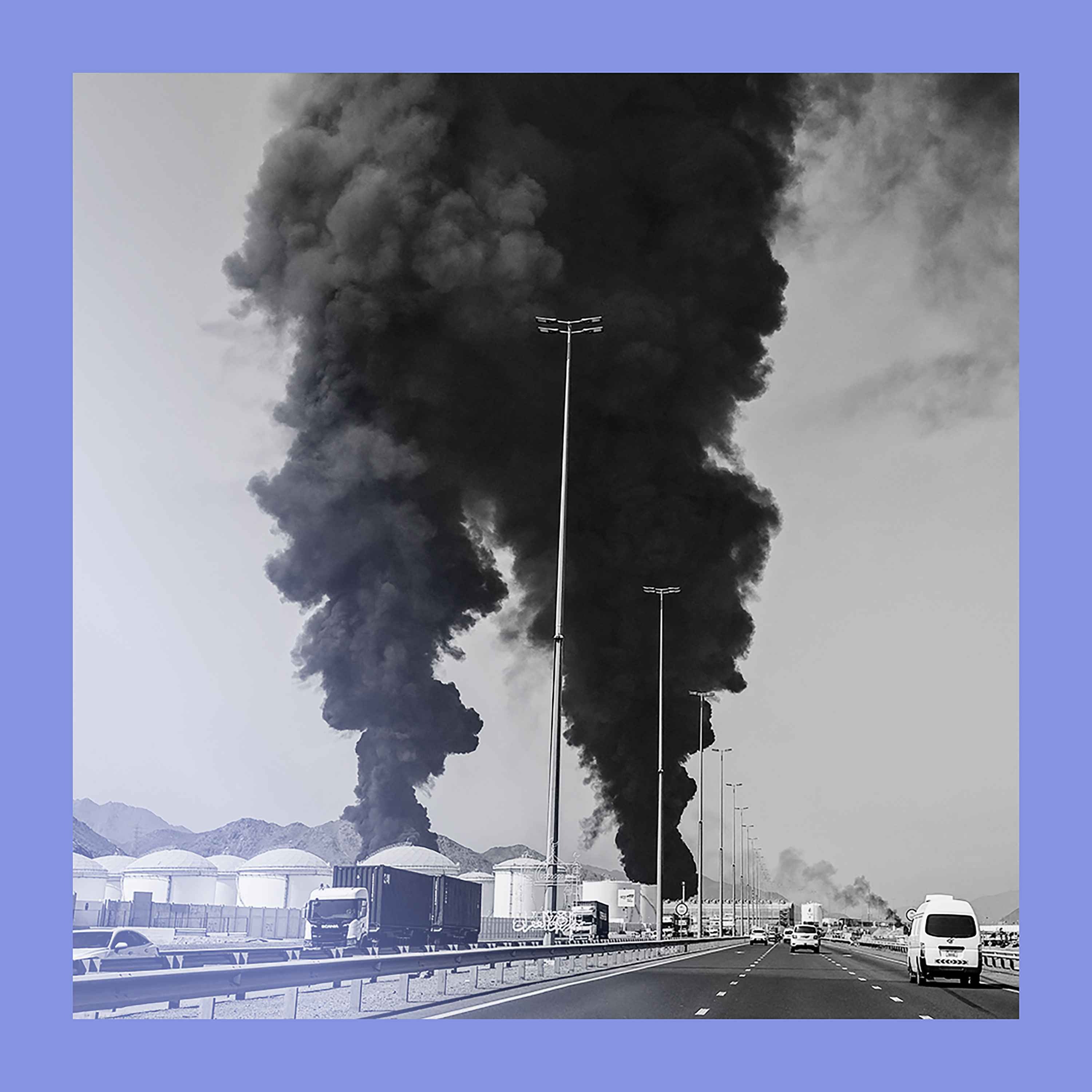
In a counter-intuitive twist, Iran is the primary beneficiary of the oil disruption it helped create. While rivals like Saudi Arabia have had to shut in production because they cannot export, Iran continues to export its oil, weakening its financial incentive to de-escalate the conflict.

The immediate oil price risk from the Iran conflict isn't just the temporary blockage of the Strait of Hormuz. The greater danger is a kinetic strike that damages critical infrastructure like pipelines or ports, which would take significant time to repair and create a prolonged supply crisis.

The specific targeting choices in the initial Iran strikes—leadership, navy warships, and military infrastructure—suggest the primary goal is economic control, specifically securing the Strait of Hormuz. Had the true objective been nuclear deterrence, the focus would have been on destroying nuclear facilities, which was not the case.

The conflict's primary impact on oil is not that supply is offline, but that its transport through the Strait of Hormuz is blocked. This distinction is key to understanding price scenarios, as supply exists but cannot be delivered.

Seizing an island to control oil exports creates a tactical vulnerability. This forces an expansion to the coast, then the mountains, mirroring how a small deployment in Vietnam escalated into a full-scale ground war.