Get your free personalized podcast brief
We scan new podcasts and send you the top 5 insights daily.
U.S. foreign policy failures don't just miss objectives; they actively validate anti-American narratives for entire generations in regions like the Middle East. This approach essentially 'gift wraps' future conflicts for America's children by creating deeply entrenched, ideologically motivated adversaries.

Related Insights
After 1991, without the Soviet Union as a counterbalancing power, US foreign policy shifted from pragmatic containment to an interventionist, 'neocon' crusade. This ideology of a 'responsibility to protect' led to costly, destabilizing 'forever wars' in the Middle East, a departure from the more measured Cold War approach.

The bombing campaign, aimed at regime change, could be counterproductive. Prior to the conflict, Iran's regime was seen as unpopular and frail, potentially heading for collapse or moderation. The external attack risks creating a rally-round-the-flag effect, allowing the regime to consolidate power where mere survival becomes a victory.
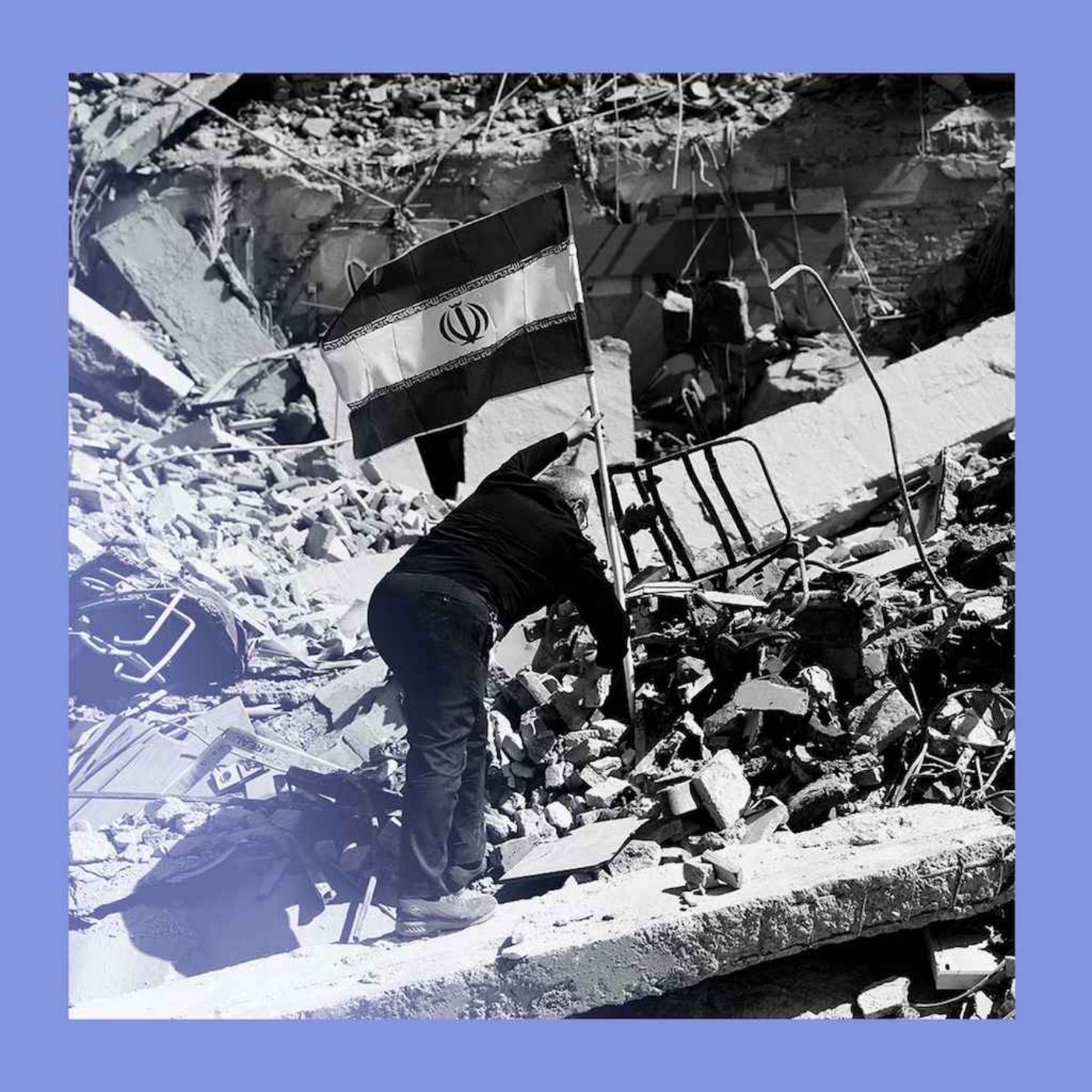
Superpowers often view their own aggressive rhetoric as strategic posturing while taking their adversaries' similar statements as literal threats. This double standard makes them blind to the long-term consequences of their actions, such as creating grievances that birth future insurgencies.

Regardless of intent, military actions like bombings create personal tragedies that radicalize individuals. This blowback is an unavoidable consequence of war, leading to revenge attacks and perpetuating the conflict, a factor often underestimated in strategic planning.

Advocates for regime change in Iran ignore the lessons of Iraq and Afghanistan. Destroying the existing regime is far easier than building a new, stable government. The US has a poor track record, spending trillions and thousands of lives in similar efforts only to see the original powers, like the Taliban, return.

The assassination of Iran's old, restrained leadership paved the way for a new generation of commanders. This new group believes the previous strategy of restraint led to war, and that only aggressive, disproportionate responses can serve as an effective deterrent against the U.S. and Israel.

Countering the "blowback" theory, Harris argues that the perception of jihadist success—like the rise of the ISIS caliphate—is what truly inspires new recruits. Therefore, ensuring jihadists are consistently and publicly defeated is the most effective counter-recruitment strategy.

US agencies and linked NGOs actively recruit from marginalized and radicalized populations. These individuals' higher risk tolerance and perceived grievances make them ideal "frontline muscle" for instigating street protests and revolutions, as they are often more willing to get arrested and create disruption.

The core weakness of U.S. foreign intervention isn't a lack of military or economic power, but a lack of seriousness about the aftermath. The U.S. lacks the patience, humility, and stamina for the difficult, unglamorous work of post-conflict planning and nation-building, dooming interventions to failure.
The West's decline in military resolve, moral authority (e.g., the Iraq War), and overall focus created a power vacuum. Adversaries perceived this weakness as an opportunity to act on long-held ambitions, viewing it as a moment to "test the waters" with minimal consequences from a weakened West.
