Get your free personalized podcast brief
We scan new podcasts and send you the top 5 insights daily.
The assassination of Iran's old, restrained leadership paved the way for a new generation of commanders. This new group believes the previous strategy of restraint led to war, and that only aggressive, disproportionate responses can serve as an effective deterrent against the U.S. and Israel.

Related Insights
Constant military pressure and assassinations remove any disincentive for Iran to pursue nuclear weapons. When a regime is already being attacked, acquiring a nuclear deterrent becomes its most logical and effective path to survival, mirroring North Korea's strategy.

The bombing campaign, aimed at regime change, could be counterproductive. Prior to the conflict, Iran's regime was seen as unpopular and frail, potentially heading for collapse or moderation. The external attack risks creating a rally-round-the-flag effect, allowing the regime to consolidate power where mere survival becomes a victory.
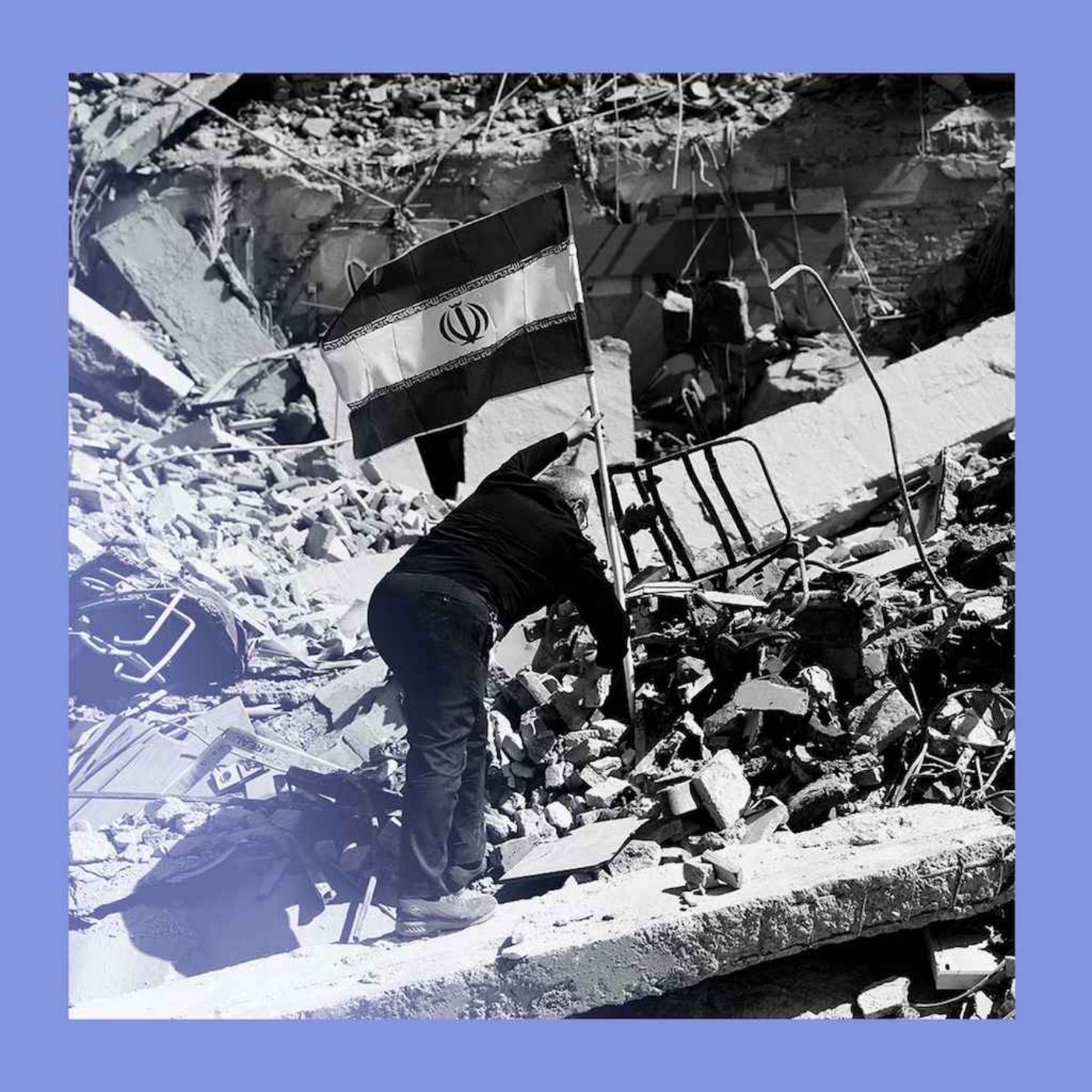
While the previous Supreme Leader's caution kept Iran from weaponizing, his death and the rise of a leader closer to the IRGC increases the likelihood of a push for a nuclear bomb. The new leadership is more risk-tolerant and convinced a nuclear deterrent is necessary for survival.
Targeting a regime's leader, assuming it will cause collapse, is a fallacy. Resilient, adaptive regimes often replace the fallen leader with a more aggressive individual who is incentivized to lash back simply to establish their own credibility and power.
Destroying Iran's conventional military without toppling the regime could create a cornered, vengeful state. Lacking other options and led by a leader whose father was just killed, it might turn to asymmetric warfare like terrorism to retaliate for its humiliation and losses.
Before the conflict, Iran maintained a "credible but not actual" nuclear program as a deterrent. By assassinating the supreme leader and launching an air war, the US has proven this strategy insufficient, forcing Iran to pursue an actual nuclear weapon for survival.

The targeted Iranian supreme leader had issued two religious edicts (fatwas) against developing nuclear weapons. His assassination removed this key restraint and installed his more aggressive son, who has not issued similar edicts, thereby inadvertently accelerating the nuclear threat.
The US administration believed it could decapitate Iran's leadership and install a friendly faction, replicating its 'Venezuela model.' This strategy collapsed in the opening hours of the war because the potential successors the US counted on were killed alongside the Supreme Leader.

The US presumed a 'decapitation strike' would cause the Iranian regime to collapse from internal mismanagement and popular unrest. This proved false, as the regime's institutionalization and resilience were severely underestimated, leading to a protracted conflict for Washington.
A new generation, not the 1979 revolutionaries, now rules Iran. They are bolder, less intimidated by the U.S., and focused on national interest and regional power projection rather than exporting ideology. They are willing to use both aggressive military tactics and high-level diplomacy to achieve their goals.