Get your free personalized podcast brief
We scan new podcasts and send you the top 5 insights daily.
The role of a chairperson isn't static. At Ovid, Jeremy Levin acts as a traditional advisor. At Opthea, a company in turnaround, he became a 'consultant CEO'—downsizing the board and directly managing trial design and hiring. This demonstrates how board leadership must adapt to a company's specific situation.

Related Insights
Reed Hastings argues board members lack daily context to add value with advice. Their true function is to be an "insurance layer," with their most crucial responsibility being the decision to replace the CEO if needed. They must learn the business not to advise, but to be prepared for that moment.
![Reed Hastings - Building Netflix - [Invest Like the Best, EP.453] thumbnail](https://megaphone.imgix.net/podcasts/2f1ecac4-e4ba-11f0-a8e8-777eb8de0c5a/image/28fb3c25b09448a35f17657a5e614900.jpg?ixlib=rails-4.3.1&max-w=3000&max-h=3000&fit=crop&auto=format,compress)
According to Snap's Chairman Michael Lynton, a board chair's biggest mistakes are not operational but governmental. Their key role is to manage the board itself—by ensuring the right questions are asked of management and, crucially, by preventing individual board members from meddling in company operations.

CEO Marc Salzberg wears CEO, CMO, and Board Chair hats, acknowledging it's a temporary "big stretch." This demonstrates a practical early-stage strategy where a leader covers multiple critical functions to save capital and ensure continuity, with a clear plan to hire dedicated experts as the company matures.
Effective private equity boards function as strategic advisory councils rather than governance bodies. Board members are expected to be co-investors who actively help with strategy, networking, and operational challenges like procurement, making them a key part of the value creation engine.

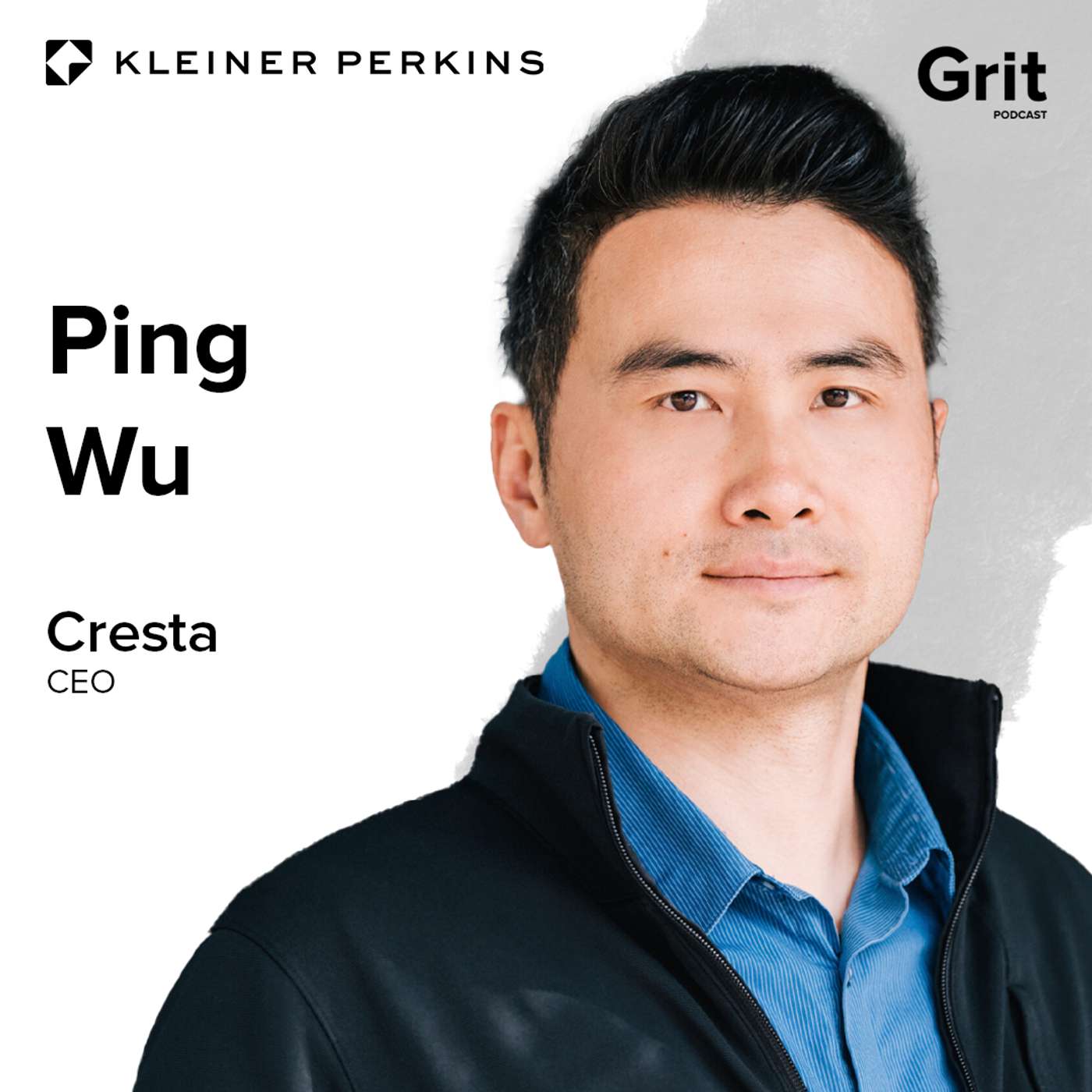
Ping Wu details how he leverages his board: he consults Doug Leone on SaaS company-building patterns, Sebastian Thrun on long-term AI trends, and former member Carl Eschenbach on go-to-market operations. This demonstrates a strategic approach to extracting maximum value from a diverse board.
Counter to common practice, NVR's former CEO Paul Seville intentionally separated the CEO and Chairman roles. This governance structure allows the Chairman to focus purely on the best interests of shareholders without the operational conflicts inherent in a combined role.

Paul Friedman, ex-CEO of Madrigal, advises that transitioning to a board member role requires a fundamental shift in behavior. To be effective and supportive, former CEOs must avoid being as outspoken as they once were and consciously take direction from the new leadership, recognizing their role has fundamentally changed.

A third model exists beyond founder-CEO or professional CEO. The founder acts as chairman, deeply involved in vision, strategy, and product (their "zone of genius"), while hiring a CEO for operations. This structure allows founders to maximize their unique value without being bogged down by management duties.
Having sat on both sides of the table, Erik van den Berg defines the distinct roles. Management's job is to execute the plan, solve daily problems, and create operational options. The board's role is to challenge assumptions, provide high-level connections, and act as a strategic coach for the leadership team.

The most valuable board directors go beyond fiduciary oversight and serve as a confidential peer and sounding board for the CEO. This relationship is crucial in a role that often lacks internal peers for strategic counsel.