Get your free personalized podcast brief
We scan new podcasts and send you the top 5 insights daily.
Counter to common practice, NVR's former CEO Paul Seville intentionally separated the CEO and Chairman roles. This governance structure allows the Chairman to focus purely on the best interests of shareholders without the operational conflicts inherent in a combined role.

Related Insights
To ensure market integrity, Kalshi maintains a strict information wall between its business and compliance teams. The market surveillance function reports directly to the board, meaning CEO Tarek Mansour is intentionally not privy to details of specific investigations to prevent business pressures from influencing outcomes.

According to Snap's Chairman Michael Lynton, a board chair's biggest mistakes are not operational but governmental. Their key role is to manage the board itself—by ensuring the right questions are asked of management and, crucially, by preventing individual board members from meddling in company operations.

Ex-Incyte CEO Hervé Hoppenot argues against former CEOs remaining on the board. This presence stifles the new leader’s ability to enact necessary change, as they are constantly being judged by their predecessor. A clean, quick break is more effective for the organization.

Horowitz cautions against board members having daily, high-frequency interactions. A CEO ultimately must stand alone and develop high conviction to make difficult decisions. Constantly looking to an outsider for answers can stunt this growth and lead to poor outcomes, as the outsider lacks full context.

A third model exists beyond founder-CEO or professional CEO. The founder acts as chairman, deeply involved in vision, strategy, and product (their "zone of genius"), while hiring a CEO for operations. This structure allows founders to maximize their unique value without being bogged down by management duties.
CEOs are often exceptional at building relationships, which can co-opt a board of directors. Directors become friends, lose objectivity, and avoid tough conversations about performance or succession, ultimately failing in their governance duties because they "just want them to win."

Having sat on both sides of the table, Erik van den Berg defines the distinct roles. Management's job is to execute the plan, solve daily problems, and create operational options. The board's role is to challenge assumptions, provide high-level connections, and act as a strategic coach for the leadership team.

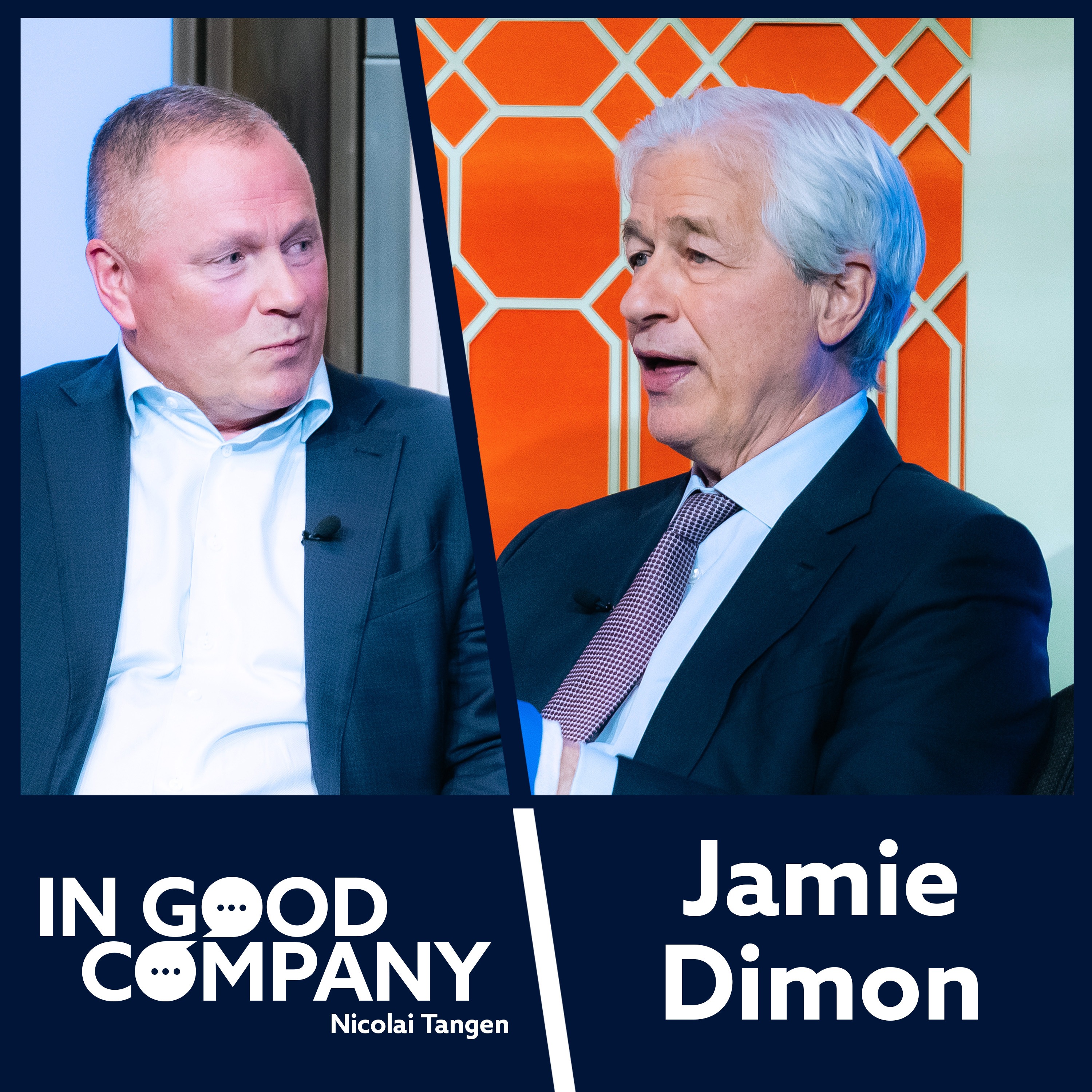
To counteract his own forceful personality and enable candid discussion, Jamie Dimon mandates that his board holds a session without him at every single meeting. The lead director then provides him with direct coaching and feedback, creating a powerful accountability mechanism.
A CEO who isn't the founder can be more objective and critical of the business. Founders are often too emotionally invested to see flaws, as the company is an extension of themselves. This emotional distance allows for better, more rational decision-making.

Karri Saarinen argues that investors without direct operational experience often make better board members. They understand their role is to provide capital and high-level guidance, not dictate day-to-day strategy. This prevents them from misapplying lessons from their past company to your unique situation.