Get your free personalized podcast brief
We scan new podcasts and send you the top 5 insights daily.
CEO Marc Salzberg wears CEO, CMO, and Board Chair hats, acknowledging it's a temporary "big stretch." This demonstrates a practical early-stage strategy where a leader covers multiple critical functions to save capital and ensure continuity, with a clear plan to hire dedicated experts as the company matures.

Related Insights
ElevenLabs' CEO avoids ineffective delegation by first immersing himself in a new function (like sales or legal). This allows him to understand the fundamentals, which is crucial for assessing and hiring the right expert leader for that role.

The transition from a leadership role at a large pharma company like Gilead to a biotech CEO involves a massive shift in scope. Instead of managing one large function with a large team, a biotech CEO is hands-on with every aspect of the company, from science to finance.
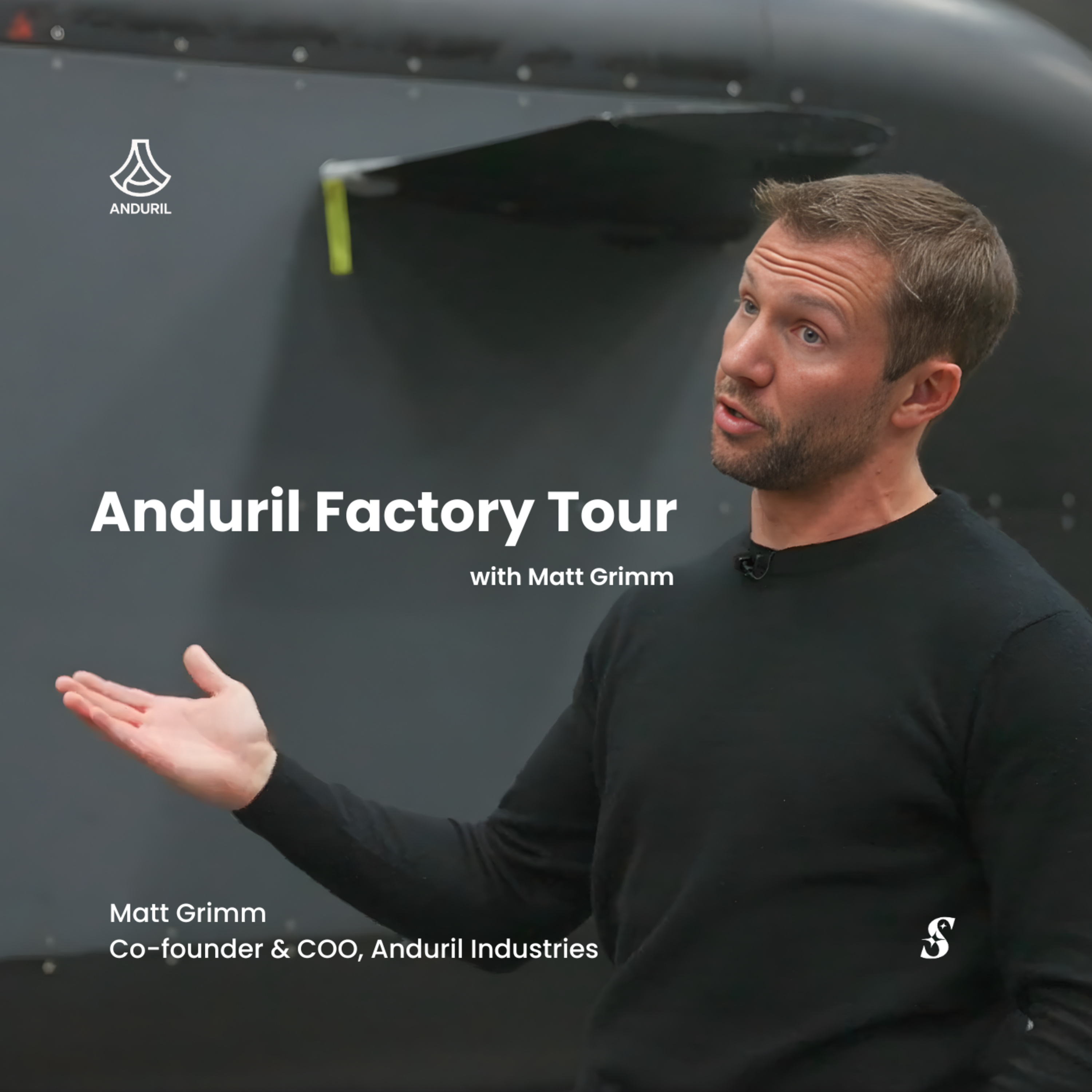
As Anduril scaled, its founders specialized. Palmer Luckey drives product innovation. CEO Brian Schimpf is the strategic 'genius' who sees the global chessboard. Trey Stephens handles investor relations and brand marketing. Matt Grimm acts as COO, the 'chief janitor' managing the complex operational guts of the company.
To scale his company Exit Five, the founder (the "Visionary") promoted his COO to CEO (the "Integrator"). This structure, from the book *Traction*, allows the creator to focus on ideas and content while the operator runs the business, manages the team, and implements processes.

The transition from a resource-rich environment like Novartis to an early-stage biotech reveals a stark contrast. The unlimited access to a global organization is replaced by a total reliance on a small, nimble team where everyone must be multi-skilled and hands-on, a change even experienced executives find jarring.

Brian Halligan identifies a new founder profile he calls the 'five-tool CEO.' This individual single-handedly masters coding, product taste, sales, fundraising, and recruiting. This 'superhero' archetype contrasts with the classic model of a technical founder paired with a separate business-focused co-founder.

Harvey's COO doesn't own a single function like GTM. Instead, she tackles complex, cross-functional initiatives that the CEO would otherwise have to lead. She manages stakeholders and synthesizes options, effectively acting as a clone of the CEO for driving company-wide strategic projects and increasing his leverage.

The founder hired an experienced CEO and then rotated through leadership roles in different departments (brand, product, tech). This created a self-designed, high-stakes apprenticeship, allowing him to learn every facet of the business from experts before confidently retaking the CEO role.

Investor preference for CEOs has shifted dramatically. While 2019-2021 favored scientific founder-CEOs, today’s tough market demands leaders with prior CEO experience. The ideal candidate has a "matrix organization" background, understanding all business functions, not just the science.
Kenai CEO Nick Manusos attributes his startup success to his varied background at Abbott Labs, moving from manufacturing to sales to BD. This breadth prepared him to handle the multifaceted demands of a startup, where a leader must be a generalist who is comfortable with constant change.