Get your free personalized podcast brief
We scan new podcasts and send you the top 5 insights daily.
According to Snap's Chairman Michael Lynton, a board chair's biggest mistakes are not operational but governmental. Their key role is to manage the board itself—by ensuring the right questions are asked of management and, crucially, by preventing individual board members from meddling in company operations.

Related Insights
Reed Hastings argues board members lack daily context to add value with advice. Their true function is to be an "insurance layer," with their most crucial responsibility being the decision to replace the CEO if needed. They must learn the business not to advise, but to be prepared for that moment.
![Reed Hastings - Building Netflix - [Invest Like the Best, EP.453] thumbnail](https://megaphone.imgix.net/podcasts/2f1ecac4-e4ba-11f0-a8e8-777eb8de0c5a/image/28fb3c25b09448a35f17657a5e614900.jpg?ixlib=rails-4.3.1&max-w=3000&max-h=3000&fit=crop&auto=format,compress)
Horowitz argues that a board's primary function isn't just strategic advice, but to legally protect the CEO. Running material decisions like equity grants past the board shields the CEO from personal liability and lawsuits—a danger many founders underestimate.

A founder's real boss is their customer base. While keeping a board happy is important, some CEOs become so consumed with managing up that they lose sight of the product and customer needs, ultimately driving the company off a cliff despite running perfect board meetings.

To succeed on an executive board, you must shed your functional hat. While you bring expertise from your area (e.g., marketing), your primary responsibility is to consider the health and growth of the entire company. A 'total company' perspective is essential for credibility and impact at this level.

A board member's role is to provide outside perspective to help a CEO think through a problem, not to make the decision. CEOs who ask 'what should we do?' risk abdicating responsibility to someone who lacks the deep operational context to make the right call. This can be destructive to a CEO's development.

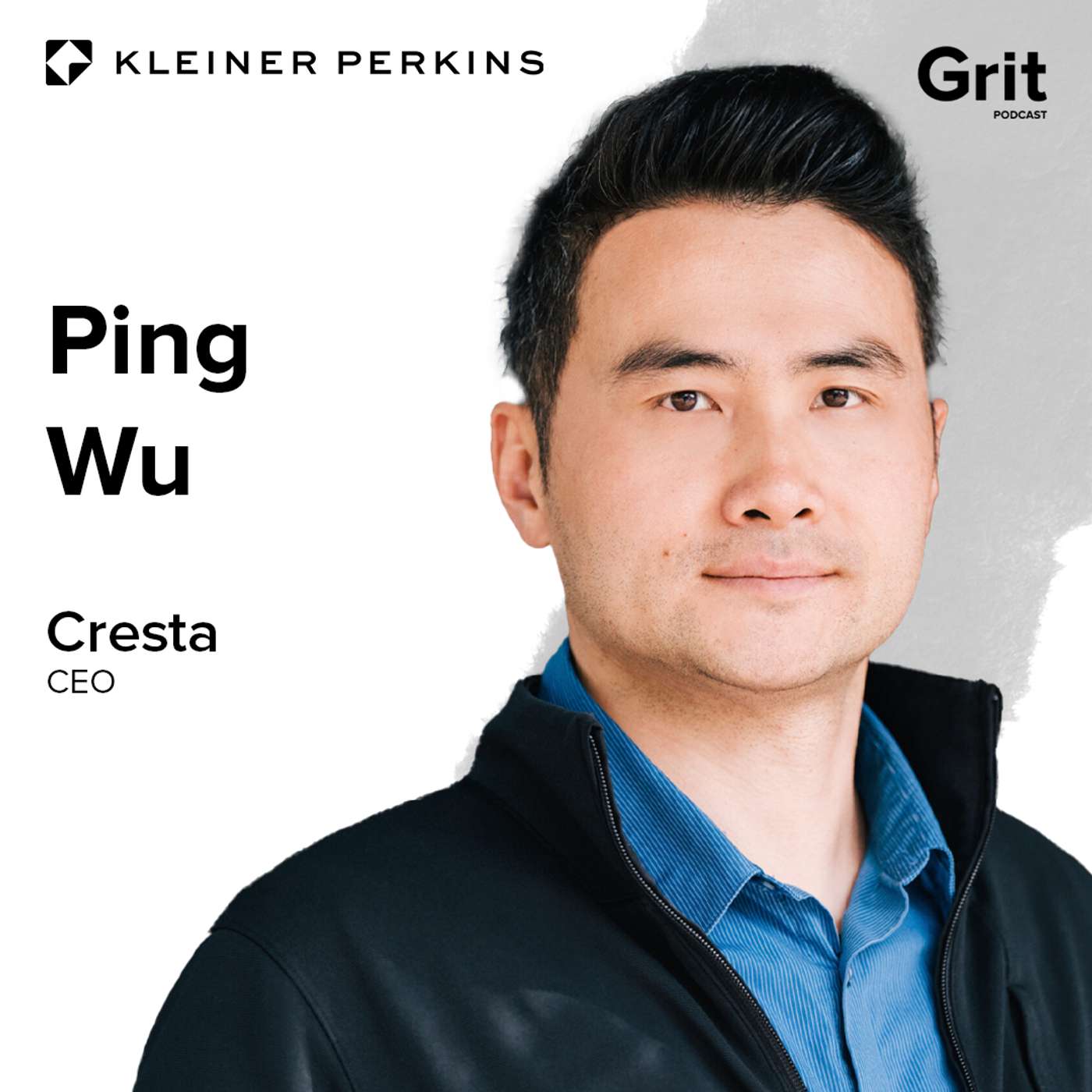
Ping Wu details how he leverages his board: he consults Doug Leone on SaaS company-building patterns, Sebastian Thrun on long-term AI trends, and former member Carl Eschenbach on go-to-market operations. This demonstrates a strategic approach to extracting maximum value from a diverse board.
Horowitz cautions against board members having daily, high-frequency interactions. A CEO ultimately must stand alone and develop high conviction to make difficult decisions. Constantly looking to an outsider for answers can stunt this growth and lead to poor outcomes, as the outsider lacks full context.
CEOs are often exceptional at building relationships, which can co-opt a board of directors. Directors become friends, lose objectivity, and avoid tough conversations about performance or succession, ultimately failing in their governance duties because they "just want them to win."

Having sat on both sides of the table, Erik van den Berg defines the distinct roles. Management's job is to execute the plan, solve daily problems, and create operational options. The board's role is to challenge assumptions, provide high-level connections, and act as a strategic coach for the leadership team.

Exor's governance model focuses on finding the right leaders and then giving them space to execute. They review plans and organizational structures but avoid micromanagement, viewing their role as a supportive yet challenging partner to the CEOs of their portfolio companies.
![Exor: Fiat Crisis to Ferrari Glory - [Business Breakdowns, EP.229] thumbnail](https://megaphone.imgix.net/podcasts/81a71ab6-9e6b-11f0-8aff-7bd806e17203/image/1c411f84b9b949374f0accaa0a5ff38a.jpg?ixlib=rails-4.3.1&max-w=3000&max-h=3000&fit=crop&auto=format,compress)