Get your free personalized podcast brief
We scan new podcasts and send you the top 5 insights daily.
The spectacular success of US military and intelligence operations, like the one against Maduro in Venezuela, can create a dangerous sense of hubris. Leaders may begin to see the military as a 'magic wand' for solving any problem, leading them to misapply this powerful tool in more complex situations like Iran.

Related Insights
A former NSC official, despite decades of experience, was "blown away" by the U.S. special forces operation to capture Maduro. He had previously concluded such a raid in a dense, hostile urban environment was too risky, underscoring the exceptional capabilities of U.S. forces.

The raid on Maduro is presented as an opportunity for special forces units to demonstrate their value to an administration wary of large, troop-intensive occupations. This "surgical strike" model offers a politically palatable alternative to the costly nation-building efforts of the 2000s in Iraq and Afghanistan.
The bombing campaign, aimed at regime change, could be counterproductive. Prior to the conflict, Iran's regime was seen as unpopular and frail, potentially heading for collapse or moderation. The external attack risks creating a rally-round-the-flag effect, allowing the regime to consolidate power where mere survival becomes a victory.
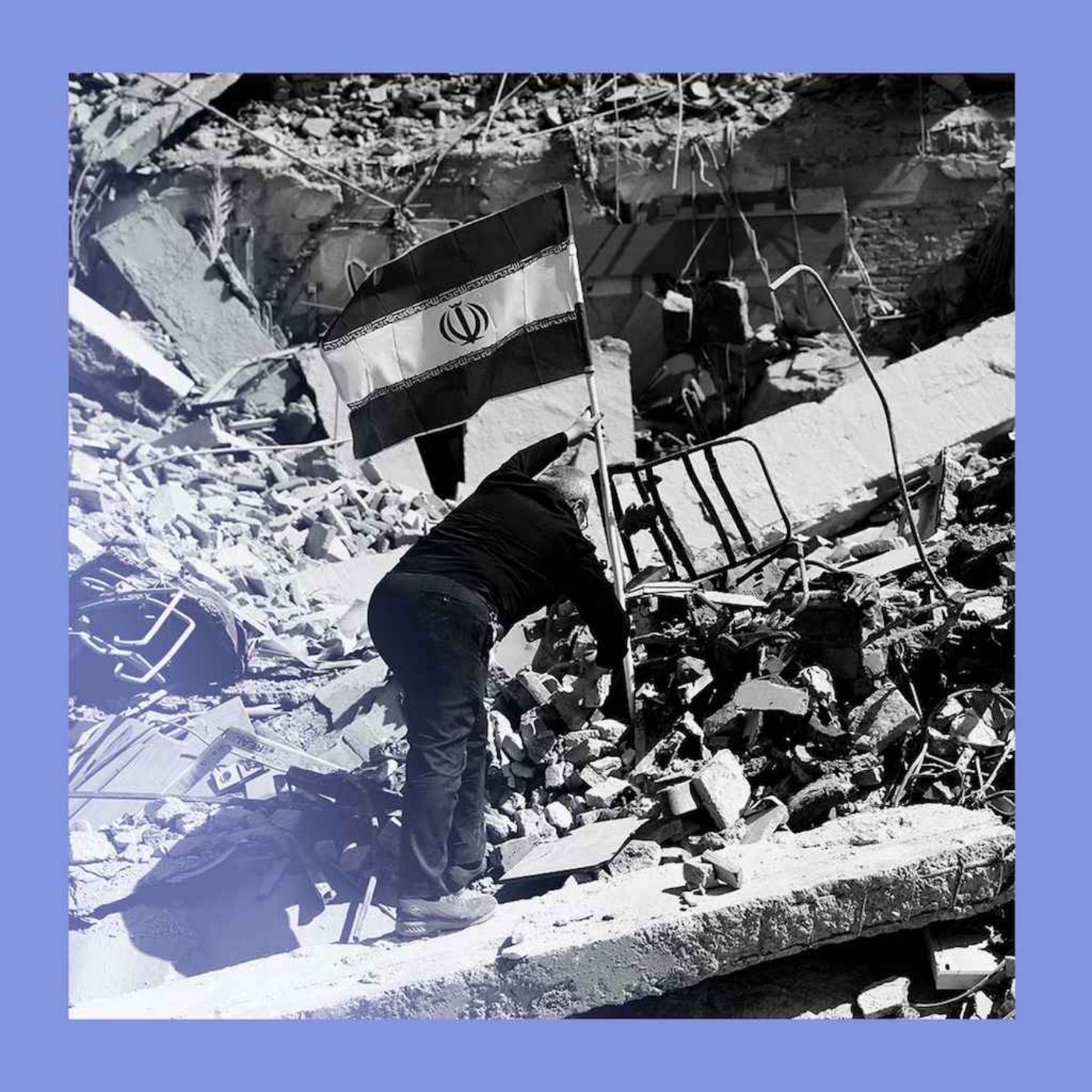
The Trump administration's apparent strategy of decapitating leadership to find a compliant successor is unlikely to work in Iran. Unlike Venezuela, Iran's power is deeply institutionalized, it lacks an obvious cooperative figure, and potential US targets for that role have already been eliminated.
Trump has a history of taking actions that foreign policy experts warned would backfire, only for those warnings not to materialize. This track record likely created an overconfidence in his own instincts, causing him to disregard or underestimate the unique dangers of a military confrontation with Iran.
American military operations often begin with impressive displays of technological and operational excellence, much like a Bond film's opening scene. However, they frequently devolve into confusion and mediocrity due to a lack of coherent long-term strategy, leading to costly and disastrous outcomes.
The "absolutely clinical" US raid to capture Venezuela's president is lauded as a military success. However, historical precedents from Afghanistan in 2001 and Iraq in 2003 show that initial military prowess in toppling a regime is no guarantee of long-term strategic success, which depends on far more complex political factors.
A clean, external removal of Iran's leadership, similar to what occurred in Venezuela, is unlikely. Iran's population is nearly four times larger, it is geographically distant, and the American political psyche associates the Middle East with costly military entanglements, creating a much higher barrier to intervention.

While the operation occurred in Venezuela, its primary psychological impact may be on Iran. The Iranians are reportedly "terrified," viewing the successful removal of a hostile leader as a direct threat and a plausible preview of future U.S. action against them.

The US and Israel are operationally successful in degrading Iran's military capabilities. However, leadership has failed to articulate a coherent strategic objective for the war, making it difficult to define victory or know when the conflict will end.
