Get your free personalized podcast brief
We scan new podcasts and send you the top 5 insights daily.
Despite the U.S. degrading Iran's military capacity, Harris argues Iran emerged more powerful. American actions inadvertently taught Iran and the world that it could hold 20% of the global energy economy hostage with little consequence, demonstrating a new form of leverage that military force couldn't counter.

Related Insights
Despite being the weaker military party, Iran's ability to inflict persistent pain on regional shipping and U.S. allies gives it leverage. To secure a ceasefire, the U.S. may have to offer incentives like sanctions relief, allowing Iran to turn military weakness into diplomatic strength.

The failure to militarily secure the Strait of Hormuz is a major strategic concession. It demonstrates a critical vulnerability and effectively hands Iran control over a global economic chokepoint, allowing them to wield immense leverage over international trade.

The bombing campaign, aimed at regime change, could be counterproductive. Prior to the conflict, Iran's regime was seen as unpopular and frail, potentially heading for collapse or moderation. The external attack risks creating a rally-round-the-flag effect, allowing the regime to consolidate power where mere survival becomes a victory.
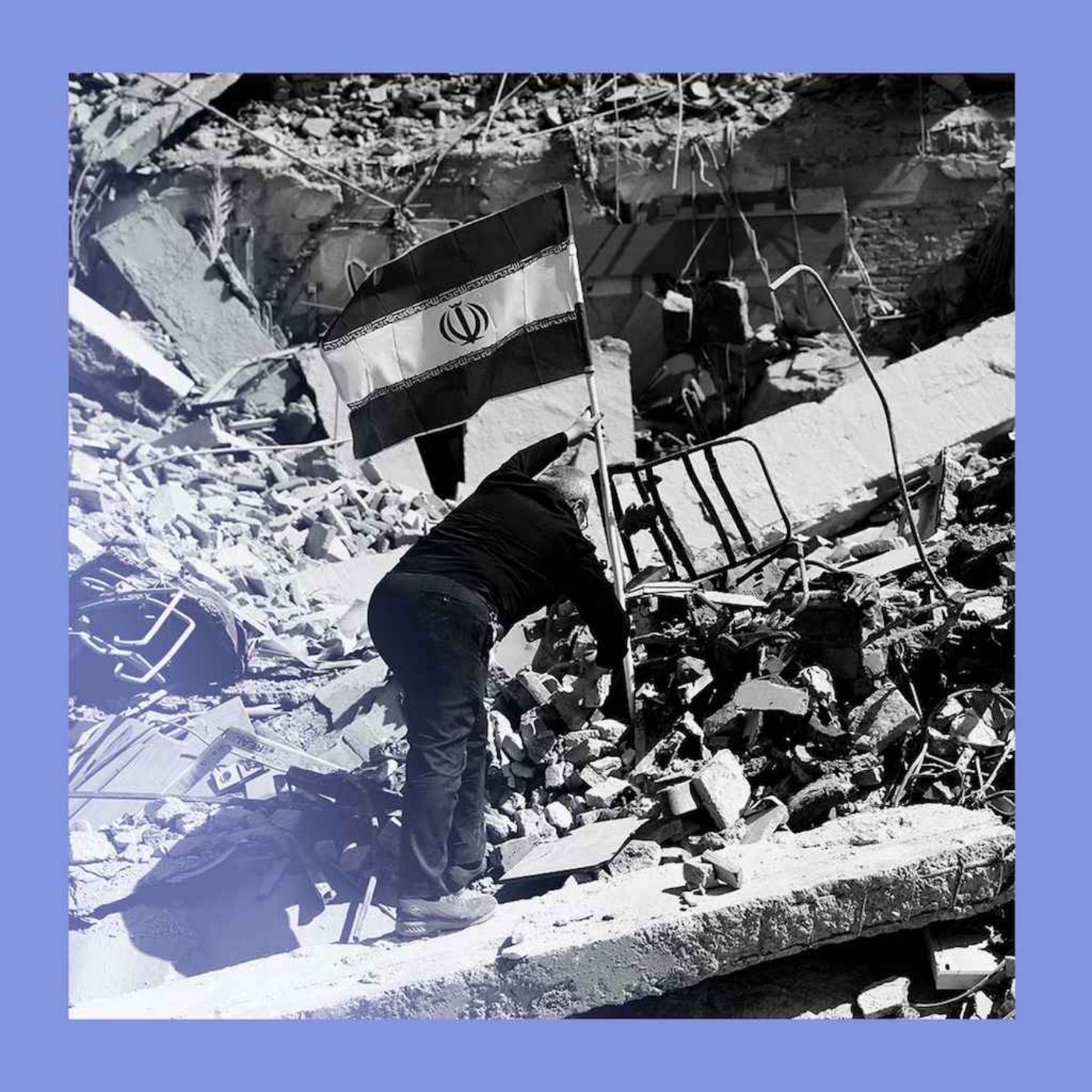
Iran successfully leveraged its control over the Strait of Hormuz, a critical global trade chokepoint, to create immense economic pressure. This conventional deterrent shifted the burden onto the US to de-escalate, proving more immediately impactful than a theoretical nuclear capability.
Iran's victory condition isn't military dominance but strategic disruption. By using asymmetric warfare—mines, drones, and missiles—to create chaos in the Strait of Hormuz, it can halt the flow of oil. This cracks the petrodollar system and achieves its primary geopolitical objective without needing to defeat the US Navy in a conventional battle.

Military strikes on industrial targets, while tactically successful, often energize the targeted population and regime. This creates political backlash that overwhelms the military effects, ultimately making the adversary stronger and more unified, as was seen in Vietnam.

While US strikes weaken Iran's military, Trump's simultaneous focus on keeping oil markets stable allows Iran to sell its oil at a premium. This creates a contradictory outcome where Iran's economic leverage and funding for future aggression increase, even as its military is degraded.

By successfully demonstrating its ability to close the Strait of Hormuz, Iran has fundamentally altered the deterrence equation. The threat is now a proven capability, not a hypothetical, which grants Iran a more credible and powerful card to play in future conflicts and diplomatic standoffs.
Counterintuitively, Iran's regime feels it has the upper hand in the war because the conflict has driven up oil prices. Even as its military sites are targeted, the country is earning more from oil exports than before the war, feeding its perception of strategic success.
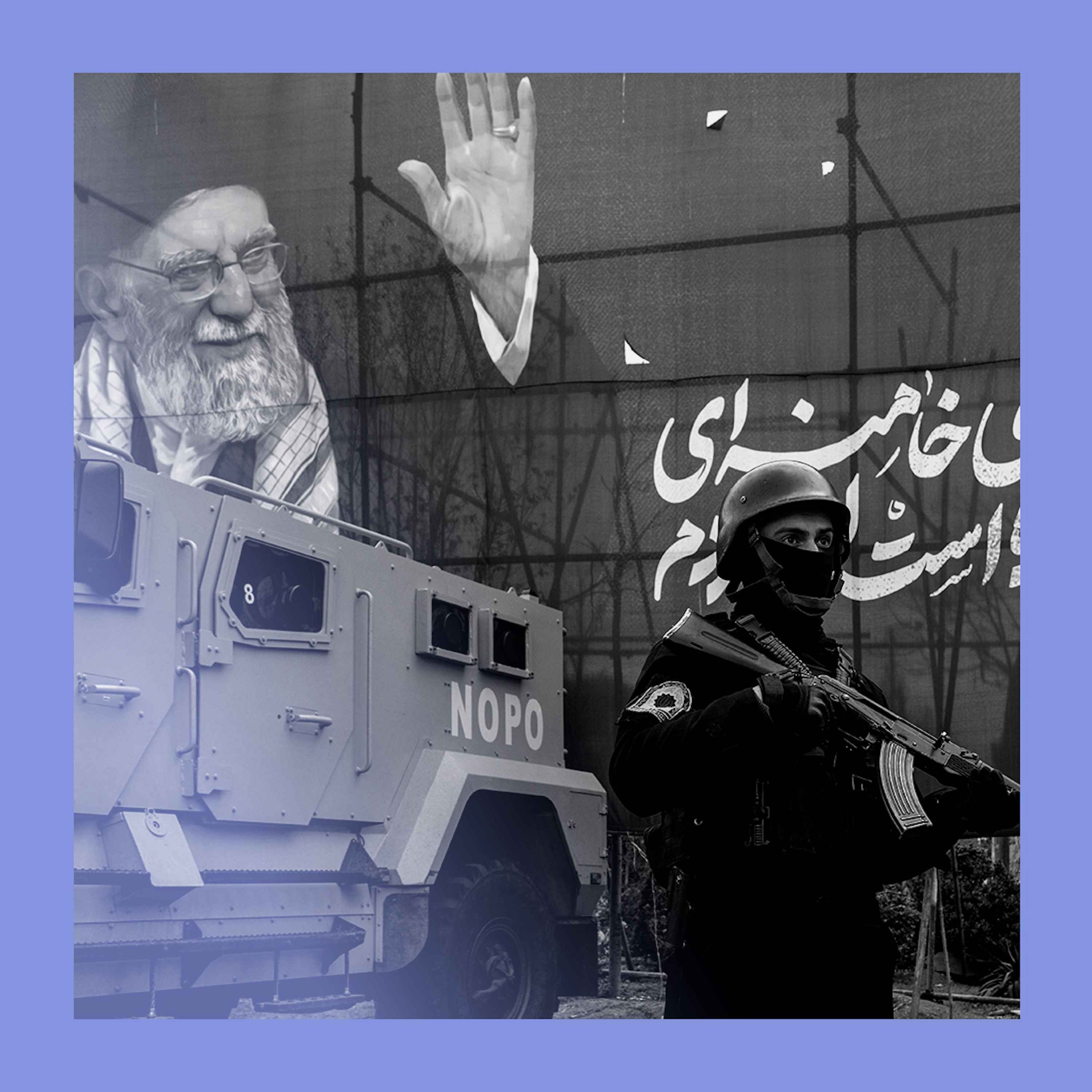
Despite significant military losses, Iran is successfully leveraging its control over the Strait of Hormuz. This asymmetric strategy chokes global energy markets, creating economic pain that Western nations may be less willing to endure than Iran, potentially snatching a strategic victory from a tactical defeat.