Get your free personalized podcast brief
We scan new podcasts and send you the top 5 insights daily.
The failure to militarily secure the Strait of Hormuz is a major strategic concession. It demonstrates a critical vulnerability and effectively hands Iran control over a global economic chokepoint, allowing them to wield immense leverage over international trade.

Related Insights
By attacking just a few ships, Iran creates enough perceived risk to make insurance carriers unwilling to cover vessels transiting the Strait of Hormuz. This effectively disrupts 20% of the world's oil supply without needing a large-scale military blockade, a key tactic in asymmetric economic warfare.

Iran's success in disrupting global shipping validates the PRC's belief that the U.S. and its allies lack the resilience to withstand economic pressure on key maritime chokepoints. This bolsters China's confidence regarding a potential future Taiwan Strait crisis.
Despite the Strait of Hormuz closure being a long-theorized scenario, the US military response was 'insufficient' and lacked preparedness. Iran achieved a near-total shutdown with minimal force, relying on the *threat* of attack, revealing a significant gap in US strategic readiness.

Even a brief closure of the Strait of Hormuz has immediate, lasting effects. Shutting in millions of barrels of oil and LNG damages production facilities, which can take over 60 days to bring back online, ensuring a recession even if the conflict ends quickly.

The US has long used the threat of military force to keep the Strait of Hormuz open. By failing to act despite a large naval presence, it has revealed this deterrent is hollow. This hands Iran a proven economic weapon and erodes the credibility of US power projection globally.
Iran doesn't need a naval blockade to close the Strait of Hormuz. The mere threat of drone and missile attacks is enough to deter shippers and insurers, creating a "de facto closure." This asymmetrical strategy highlights how psychological warfare can be as effective as direct military action in disrupting global trade.
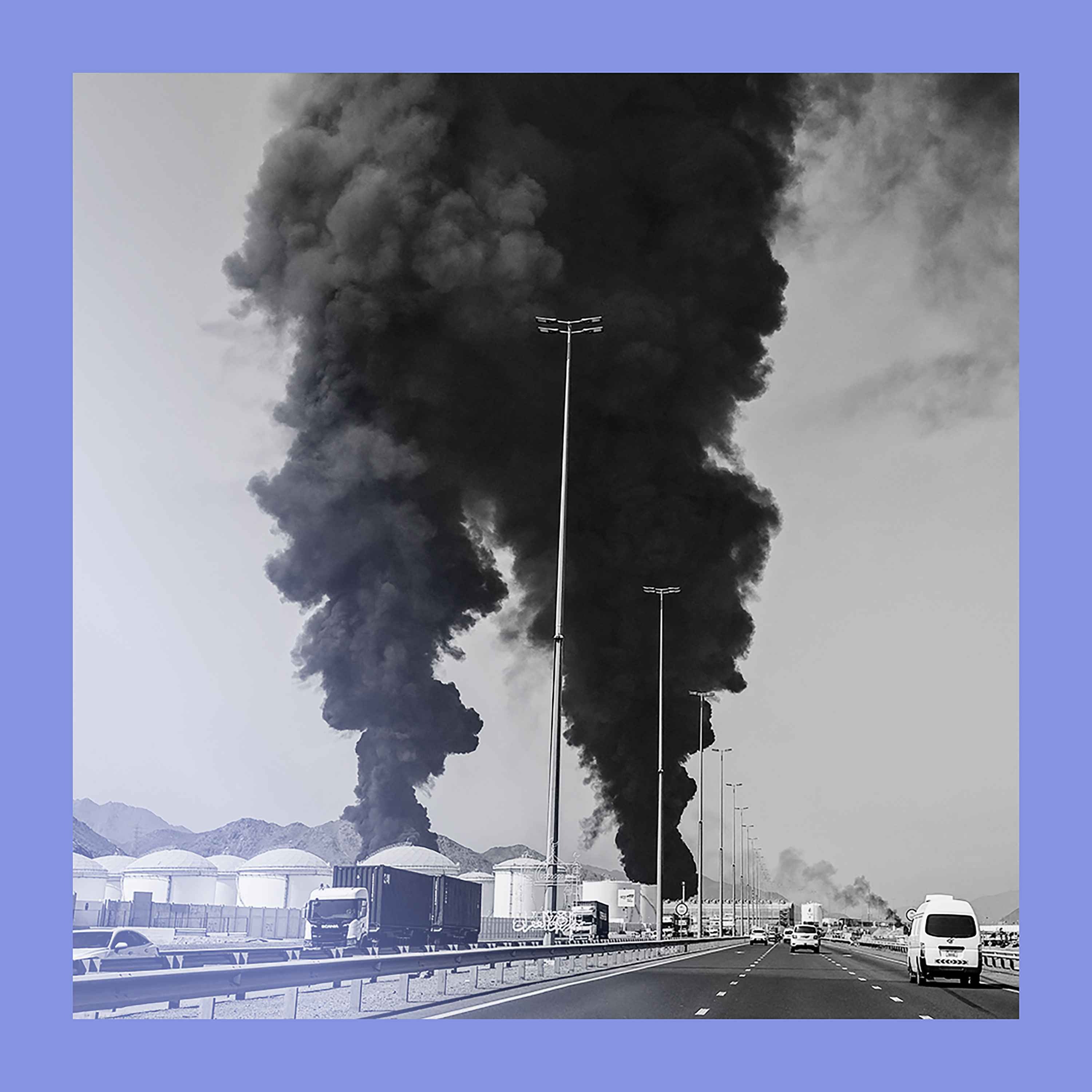
The specific targeting choices in the initial Iran strikes—leadership, navy warships, and military infrastructure—suggest the primary goal is economic control, specifically securing the Strait of Hormuz. Had the true objective been nuclear deterrence, the focus would have been on destroying nuclear facilities, which was not the case.

Iran effectively weaponized the Strait of Hormuz not with mines, but by creating enough uncertainty to make UK-based insurance companies pull out. This demonstrates how financial systems can be leveraged as powerful geopolitical choke points.

Iran employs inexpensive weapons against shipping in the Strait of Hormuz. This asymmetric strategy avoids direct military confrontation while making the risk too high for insured commercial vessels, effectively closing the strait without a formal blockade.

The US cannot secure the Strait of Hormuz alone. The solution is a US-led military convoy that includes allies like Japan and South Korea, and even unconventional partners like China, who are heavily dependent on the oil route. This international presence creates a stronger deterrent and shares the burden.