Get your free personalized podcast brief
We scan new podcasts and send you the top 5 insights daily.
Iran's victory condition isn't military dominance but strategic disruption. By using asymmetric warfare—mines, drones, and missiles—to create chaos in the Strait of Hormuz, it can halt the flow of oil. This cracks the petrodollar system and achieves its primary geopolitical objective without needing to defeat the US Navy in a conventional battle.

Related Insights
The failure to militarily secure the Strait of Hormuz is a major strategic concession. It demonstrates a critical vulnerability and effectively hands Iran control over a global economic chokepoint, allowing them to wield immense leverage over international trade.

By attacking just a few ships, Iran creates enough perceived risk to make insurance carriers unwilling to cover vessels transiting the Strait of Hormuz. This effectively disrupts 20% of the world's oil supply without needing a large-scale military blockade, a key tactic in asymmetric economic warfare.

Despite the Strait of Hormuz closure being a long-theorized scenario, the US military response was 'insufficient' and lacked preparedness. Iran achieved a near-total shutdown with minimal force, relying on the *threat* of attack, revealing a significant gap in US strategic readiness.

Iran doesn't need a naval blockade to close the Strait of Hormuz. The mere threat of drone and missile attacks is enough to deter shippers and insurers, creating a "de facto closure." This asymmetrical strategy highlights how psychological warfare can be as effective as direct military action in disrupting global trade.
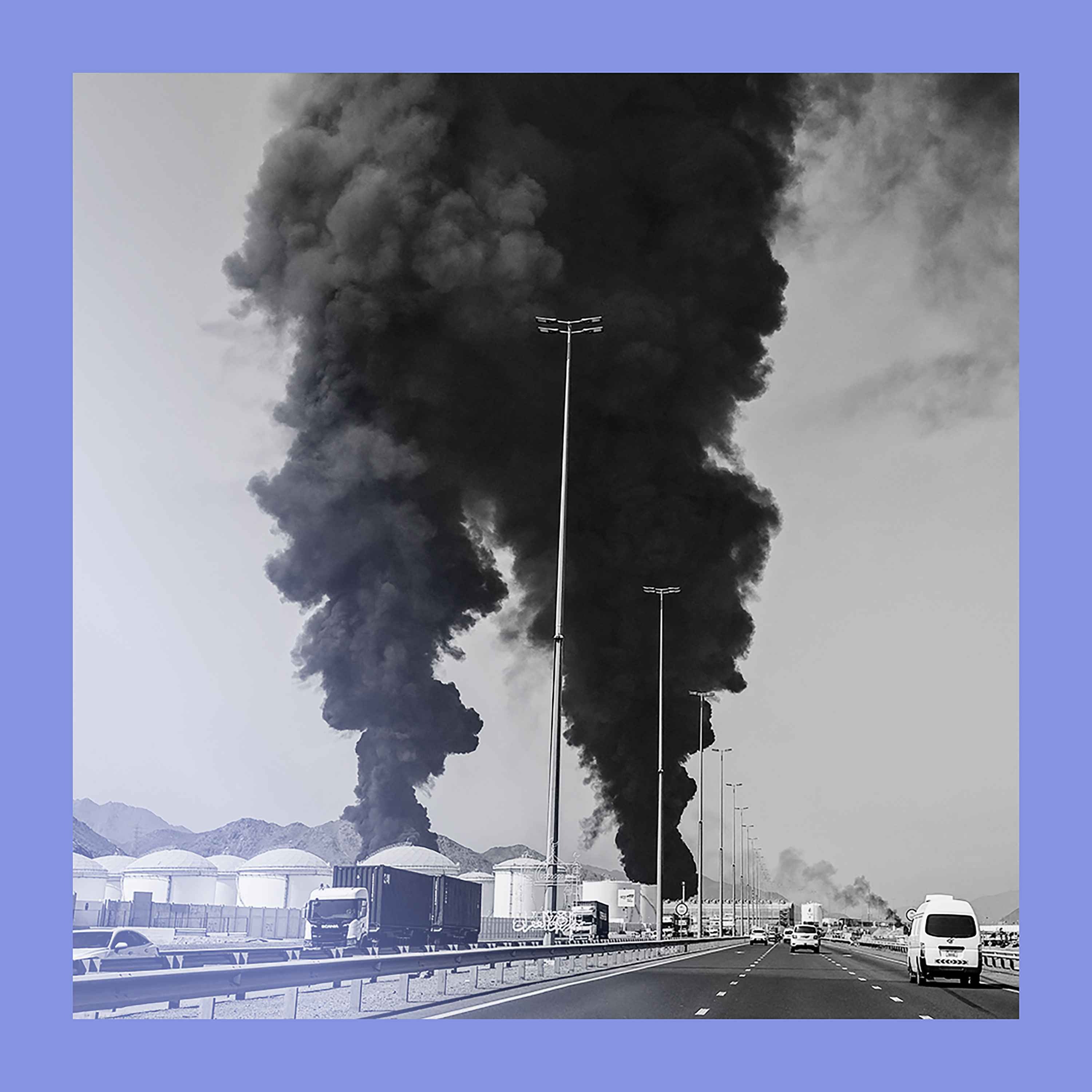
The US faces a severe economic disadvantage in the Middle East conflict. Iran uses $30,000 drones that can disable $160 million tankers, while US countermeasures involve $4 million Patriot missiles. This cost imbalance allows Iran to inflict massive economic damage cheaply, posing a significant strategic threat.

By selectively allowing passage for tankers pricing oil in Chinese Yuan, Iran is playing a high-stakes game. This forces countries to bypass the US dollar to secure their energy supply, directly threatening the foundation of American global economic power and accelerating de-dollarization.

Iran has begun mining the Strait of Hormuz, a significant military escalation. Historical precedent from the 1991 Iraq conflict suggests it could take the U.S. military two months to clear the mines, establishing a potential timeline for the severe supply disruption and justifying oil's surge to $100 per barrel.
A militarily weaker nation can effectively counter a superpower by creating targeted fear and risk in a vital economic channel, like a shipping strait. By making insurance prohibitively expensive and transit dangerous, they can achieve strategic goals without needing to win a conventional military engagement.

Iran employs inexpensive weapons against shipping in the Strait of Hormuz. This asymmetric strategy avoids direct military confrontation while making the risk too high for insured commercial vessels, effectively closing the strait without a formal blockade.

The strategy of continuing a war of attrition to degrade Iran's military capabilities has a critical flaw. Even if missile launches are reduced by over 90%, Iran only needs to maintain a very small volume of attacks on the Strait of Hormuz to effectively keep the vital waterway closed, thereby nullifying the primary objective of the US and its allies.