Get your free personalized podcast brief
We scan new podcasts and send you the top 5 insights daily.
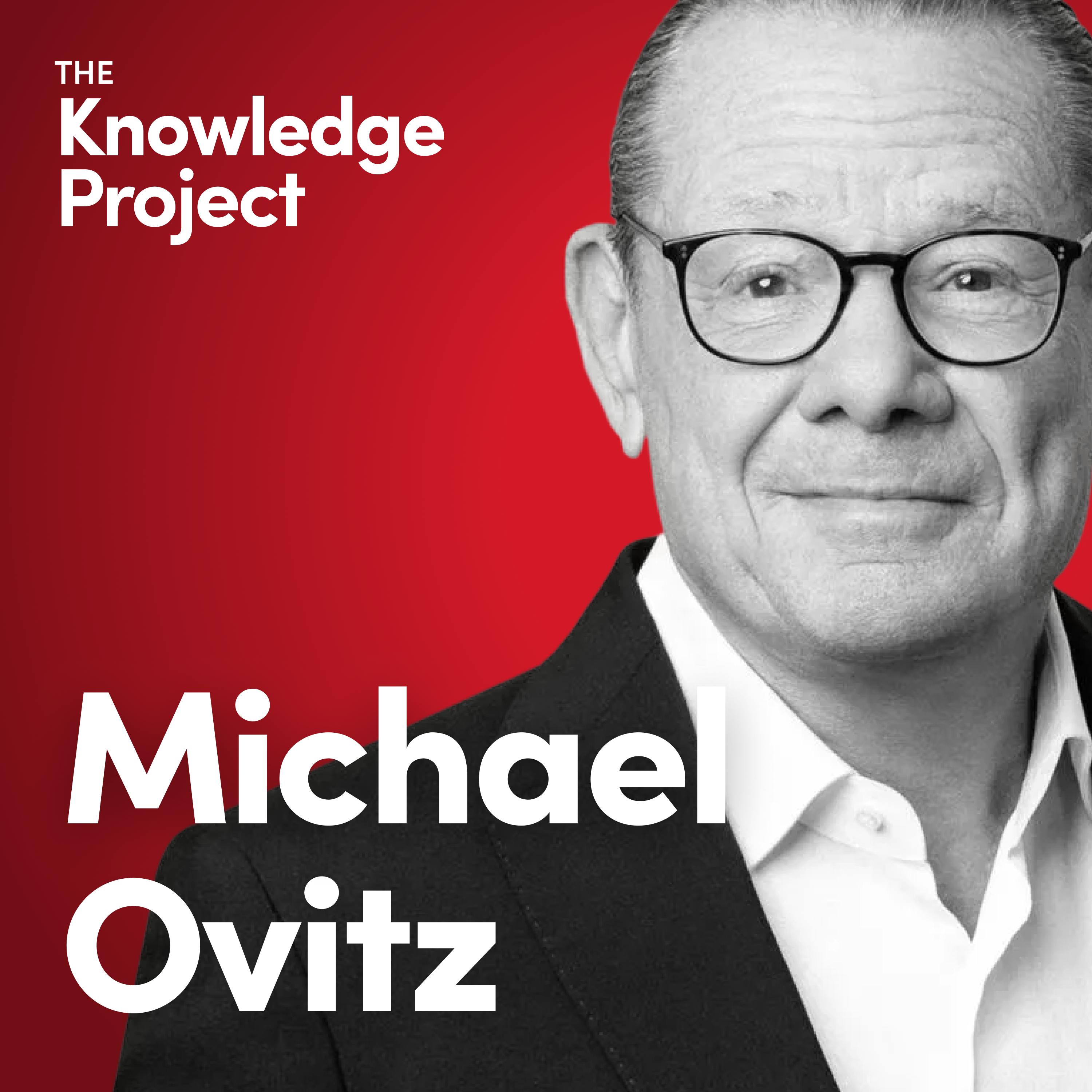
Michael Ovitz views power as an ephemeral, fleeting concept, not a permanent attribute. He compares it to a lease with a closed, and never good, end. This mindset helps leaders stay grounded and focused on tangible results.
Related Insights
Ambitious leaders are often "time optimists," underestimating constraints. This leads to frustration. The 'realistic optimist' framework resolves this tension by holding two ideas at once: an optimistic, forward-looking vision for the future, and a realistic, grounded assessment of present-day constraints like time and resources. Your vision guides you, while reality grounds your plan.
In hindsight, Ovitz believes he could have cut back 10% of his work time and allowed the momentum he had built—along with his team—to carry the business forward. This reclaimed time could then be invested in family and personal interests.
High-level titles are context-dependent and fade once you leave a company. This realization should shift your focus from chasing promotions to building products that create a lasting personal legacy, as that is an impact you truly own.

The fear of irrelevance is paralyzing for many creators. A healthier perspective is to see relevance not as a measure of self-worth, but as a vehicle for utility. It is a temporary tool that allows your ideas to have an impact and contribute to the broader cultural conversation.

Michael Ovitz believes momentum is the critical element that turns second-place teams into first-place winners and drives success in any venture. It must be consciously built through relentless, industrious, and educated hard work.
The real danger for leaders comes during great success, when it is easy to become detached from reality. Avoiding the bubble created by executive perks requires a conscious effort to stay grounded, as this is when judgment is most at risk.

Instead of corrupting individuals, fame, success, and money act as magnifiers, exposing a person's core character. This reframes the common belief that power changes people, suggesting it merely reveals what was always there.

Aspiring leaders often believe a promotion will finally empower them to fix everything. In reality, each level up—from Director to CPO—introduces a more complex set of problems, constraints, and stakeholder dynamics, not fewer. The feeling of being "unchained" is a myth.

When leaders get stuck, their instinct is to work harder or learn new tactics. However, lasting growth comes from examining the underlying beliefs that drive their actions. This internal 'operating system' must be updated, because the beliefs that led to initial success often become the very blockers that prevent advancement to the next level.

Michael Ovitz identifies self-deception as the primary reason people fail in Hollywood and beyond. When you start believing you are superior or that your press is accurate, you become vulnerable to making critical mistakes.