Get your free personalized podcast brief
We scan new podcasts and send you the top 5 insights daily.
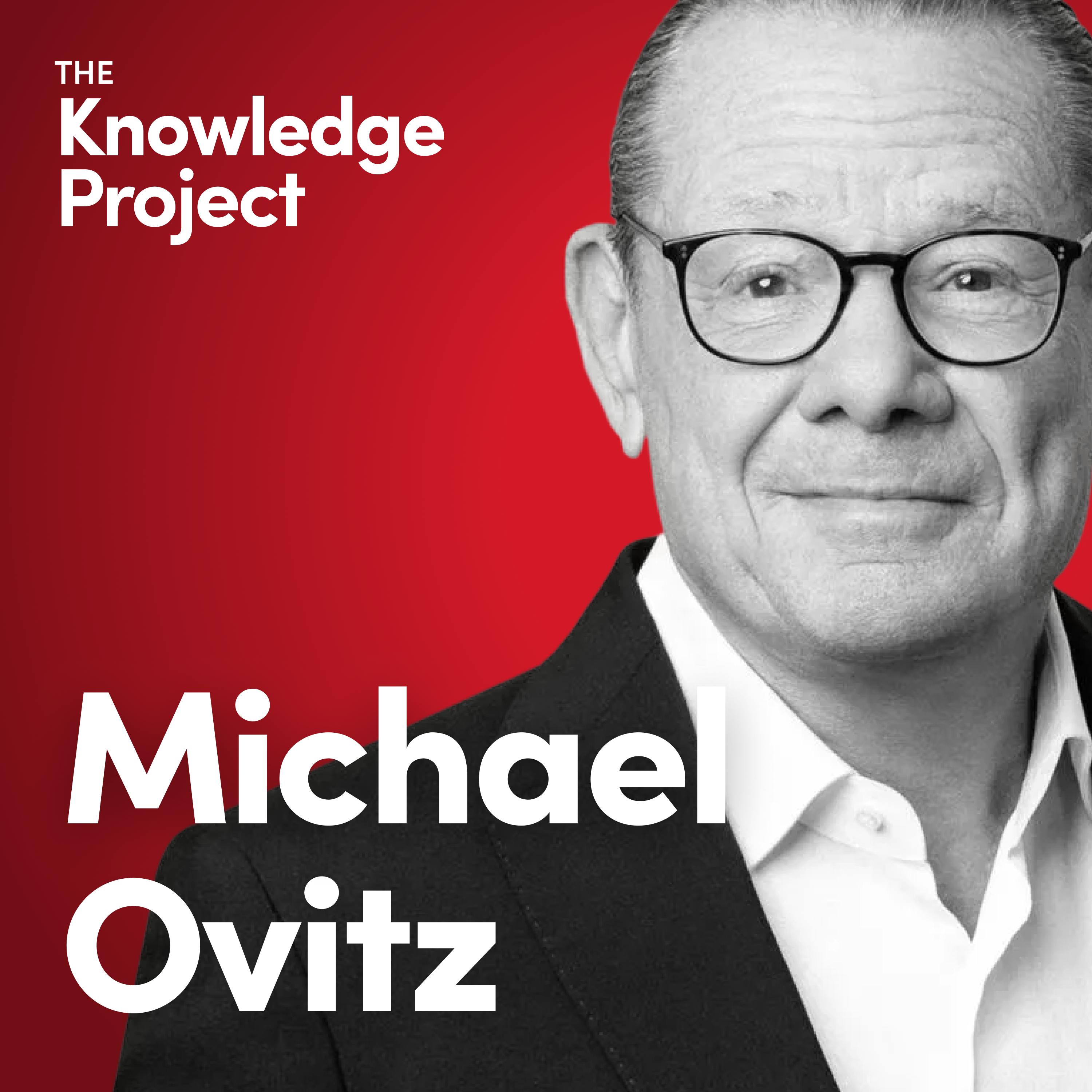
In hindsight, Ovitz believes he could have cut back 10% of his work time and allowed the momentum he had built—along with his team—to carry the business forward. This reclaimed time could then be invested in family and personal interests.
Related Insights
To achieve rapid growth without burnout, ruthlessly prioritize. Stop doing 90% of tasks and focus exclusively on the few initiatives that have the potential to 10x your business. Treat your focus like a laser that can burn through obstacles, not a wide light that diffuses energy.

Instead of chasing the 'hustle' momentum of her early career, the speaker now embraces a slower pace. She realized that she is the source of momentum and can create it whenever needed. This mindset allows her to prioritize a balanced life without fearing she'll become irrelevant or lose opportunities.

Founders often equate constant hustle with progress, saying yes to every opportunity. This leads to burnout. The critical mindset shift is recognizing that every professional "yes" is an implicit "no" to personal life. True success can mean choosing less income to regain time, a decision that can change a business's trajectory.
The speaker intentionally reduced her workload and income to reclaim her time. This freed-up capacity allowed her to learn, strategize, and hire a coach, leading to an unexpected scaling of her business from six to seven figures. Working less created the space for working smarter.
Drawing on Pareto's Principle, true growth isn't about working harder. It comes from identifying the 20% of your work that creates the most impact and having the courage to strategically eliminate the other 80%. This disciplined pursuit of less leads to exceptional results rather than diluted focus.
Even for the most driven individuals, the key to avoiding overwhelm is internalizing the mantra: "Doing less is always an option." This isn't about quitting but recognizing that strategic pauses and rest are critical tools for long-term, sustainable high performance.

Michael Ovitz believes momentum is the critical element that turns second-place teams into first-place winners and drives success in any venture. It must be consciously built through relentless, industrious, and educated hard work.
Danny Meyer performs a quarterly audit of his daily tasks, identifying 20% of activities that others could do better. He frames delegating these as an act of generosity that enables team members to grow and frees him to focus on his unique value-adds.

Most entrepreneurs are trapped doing things they believe they *should* do, leading to burnout with minimal results. The Pareto Principle suggests 80% of your results come from 20% of your efforts. By auditing your activities to find that 20%, you can eliminate busywork and focus only on what truly moves the needle.

High-achievers often avoid rest because of a deep-seated fear that taking their "foot off the gas" will cause their business and life to fall apart. This isn't just about missing opportunities; it's a fear of total failure. Overcoming this requires building trust through small, safe experiments in slowing down, proving that the business can survive without constant, high-intensity effort.