Get your free personalized podcast brief
We scan new podcasts and send you the top 5 insights daily.
Private companies like SpaceX neutralize the talent-attraction power of public company RSUs by running regular, predictable tender offers. This provides employees with consistent liquidity, making private stock nearly as compelling as its public counterpart, but without the market volatility.

Related Insights
The trend of allowing employees to sell shares in secondary transactions before investors get liquidity is a problem. Lior Susan argues this creates a fundamental misalignment, as historically, employees and investors realized returns at the same time. The system needs rethinking for long-duration private companies.
SpaceX's regular tender offers provide employees with life-changing liquidity, creating a powerful incentive that rival Blue Origin lacks. This 'unfair advantage' in compensation structure is crucial in the long-term war for elite aerospace talent, going beyond just salary.
A stock price disconnected from fundamentals can be a powerful tool. As seen with Meta in 2022, a low stock price hinders recruitment. Conversely, a high stock price acts as a valuable currency for equity compensation, allowing companies to attract and retain elite employees, even if investors are skeptical of the valuation.

Top companies like Stripe or SpaceX can stay private forever by using robust secondary markets to provide liquidity to employees and investors. This allows them to focus on long-term growth without the burdens of public company reporting and quarterly profit pressures.

Elon Musk's ambitious, performance-tied compensation plan isn't just about Tesla. It establishes a powerful precedent for other founders, like those at late-stage unicorns, to negotiate for massive new equity grants by tying them to audacious growth targets, reshaping founder incentive structures.
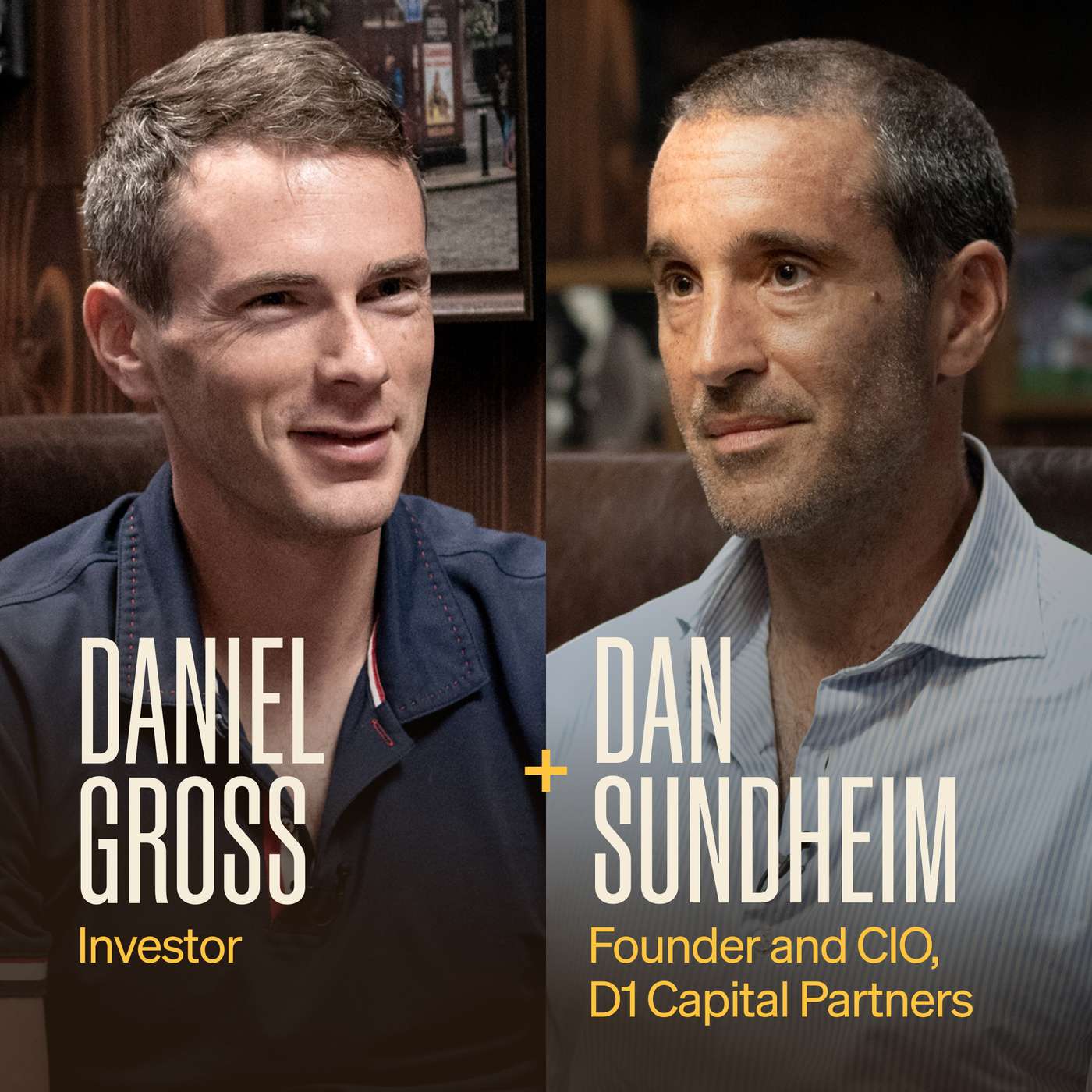
Dan Sundheim argues successful private companies should avoid going public. Public market volatility means stock prices, and thus employee compensation, are driven by sentiment, not fundamental value creation. Being dramatically overvalued can be as harmful as being undervalued, as it misaligns incentives for future hires.
Musk's performance-based compensation sets a precedent for other CEOs to approach their boards with ambitious growth targets in exchange for significant equity increases. This challenges the traditional one-way dilution model for founders and executives.
Beyond its technical lead, SpaceX holds a key recruiting advantage over rivals like Blue Origin by offering regular tender offers. This provides employees with consistent, tangible liquidity for their stock options, making compensation feel more valuable and attracting top talent.
Top private companies like SpaceX run regular tender offers, allowing employees to sell vested stock. This provides predictable liquidity, effectively competing with the quarterly RSU payouts offered by public tech giants without the market volatility.

Andrej Karpathy asserts that the liquidity of employee stock options is the "dominant first order term" driving talent behavior at frontier AI labs. Poor liquidity, as allegedly seen at Anthropic, reduces employee churn as it makes it harder for talent to leave and fund new ventures.