Get your free personalized podcast brief
We scan new podcasts and send you the top 5 insights daily.
A stock price disconnected from fundamentals can be a powerful tool. As seen with Meta in 2022, a low stock price hinders recruitment. Conversely, a high stock price acts as a valuable currency for equity compensation, allowing companies to attract and retain elite employees, even if investors are skeptical of the valuation.

Related Insights
Tesla's proposed 10-year, performance-based compensation plan is more than just a paycheck. It's a strategic mechanism designed to secure Elon Musk's long-term commitment and focus his attention exclusively on achieving Tesla's hyper-aggressive growth targets, like an $8 trillion valuation.

Granting stock options is only half the battle. To make equity a powerful motivator, leaders must constantly communicate a clear and believable narrative for a future liquidity event, such as an acquisition. This vision is what transforms paper ownership into a tangible and valuable incentive in the minds of employees.

Traditional valuation metrics ignore the most critical drivers of success: leadership, brand, and culture. These unquantifiable assets are not on the balance sheet, causing the best companies to appear perpetually overvalued to conventional analysts. This perceived mispricing creates the investment opportunity.

In the hyper-competitive AI talent market, companies like OpenAI are dropping the standard one-year vesting cliff. With equity packages worth millions, top candidates are unwilling to risk getting nothing if they leave before 12 months, forcing a shift in compensation norms.
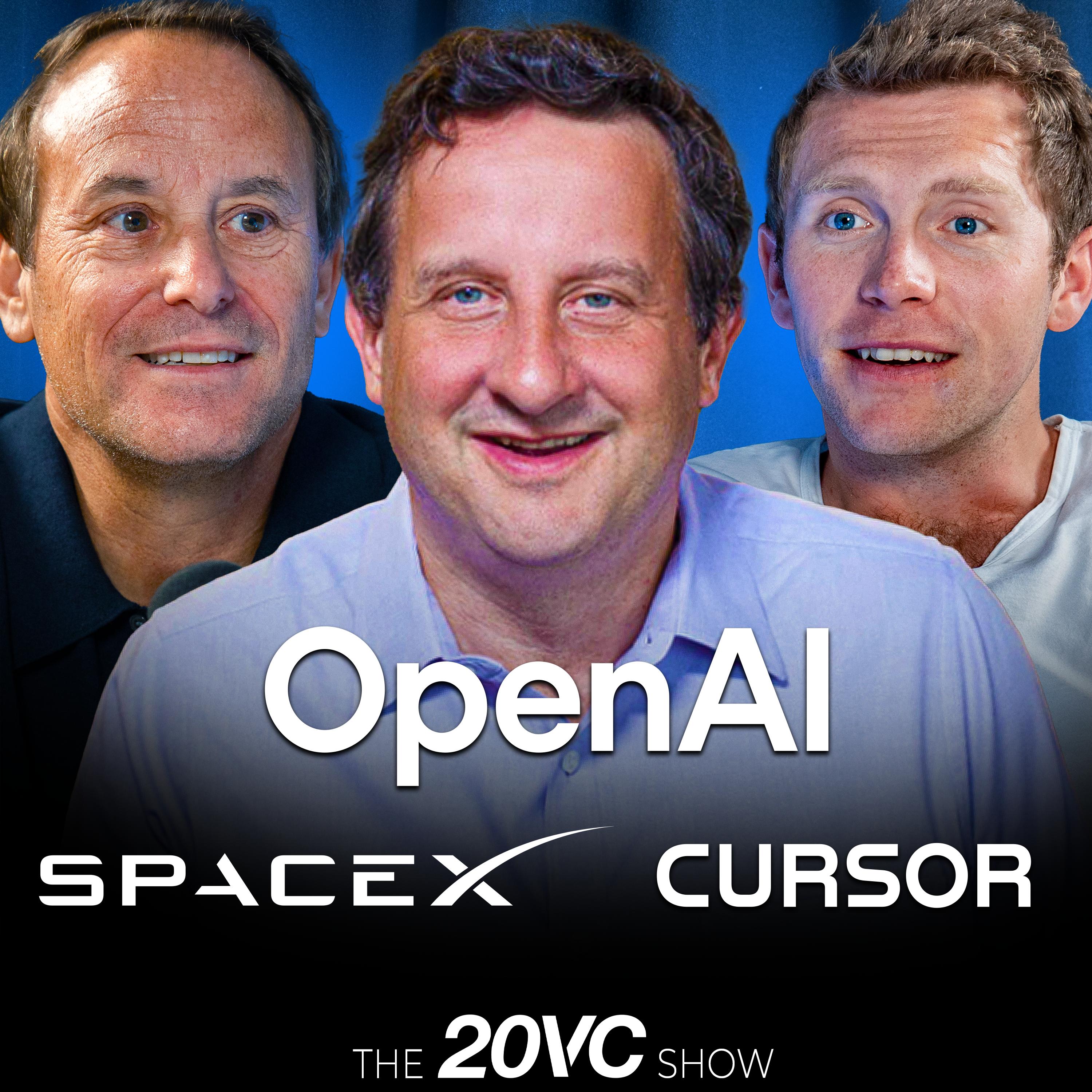
SpaceX's regular tender offers provide employees with life-changing liquidity, creating a powerful incentive that rival Blue Origin lacks. This 'unfair advantage' in compensation structure is crucial in the long-term war for elite aerospace talent, going beyond just salary.

To conserve cash, especially in a downturn, founders can pay key employees 10-30% below market rate in salary. The key is to compensate for this deficit by offering double or triple the industry standard in equity. This strategy attracts top talent aligned with long-term success while keeping the company's cash burn rate low.
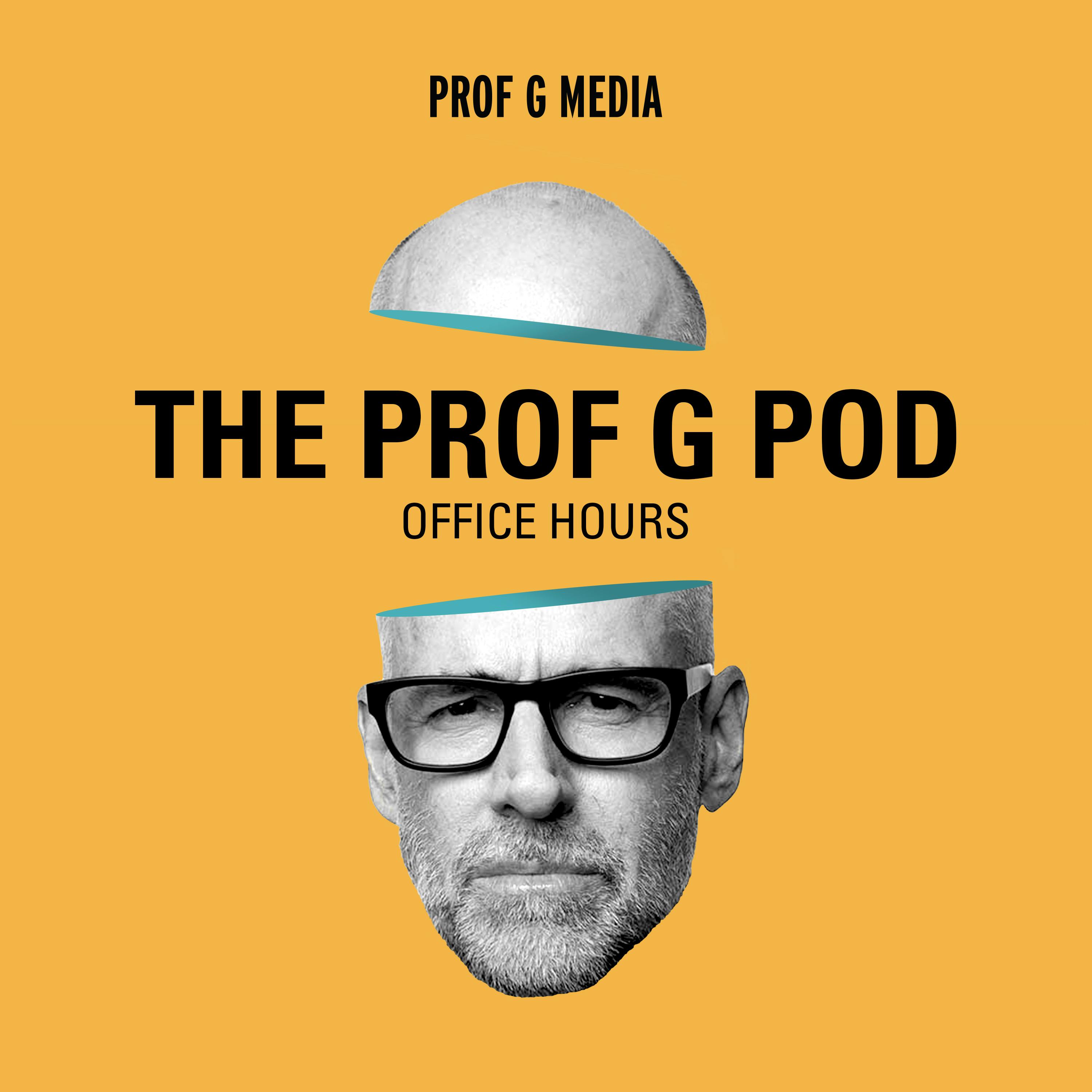
In the fierce competition for elite AI researchers, companies like OpenAI, Meta, and xAI are shortening or eliminating the standard one-year equity vesting cliff. This move reflects the immense leverage top talent holds, forcing companies to prioritize recruitment over traditional retention mechanisms by offering immediate equity access.

Despite declining revenues, Tesla's stock is at an all-time high due to its powerful narrative as a world-changing robotics company. This "story premium" makes retaining Elon Musk, the chief storyteller, more critical for shareholders than traditional financial metrics, justifying his massive pay package.

High-growth companies create a virtuous cycle for talent. The faster a company grows, the more career advancement opportunities it creates, which attracts the best people. This influx of A-players then accelerates growth further. Conversely, stagnation creates a vicious cycle, repelling top candidates and making growth harder to achieve.

When negotiating a job offer, ask for more stock options instead of a higher salary. This is often better received by employers as it signals you are a long-term believer in the company's success and want to be an "owner," not just an employee.
