Get your free personalized podcast brief
We scan new podcasts and send you the top 5 insights daily.
The trend of allowing employees to sell shares in secondary transactions before investors get liquidity is a problem. Lior Susan argues this creates a fundamental misalignment, as historically, employees and investors realized returns at the same time. The system needs rethinking for long-duration private companies.
Related Insights
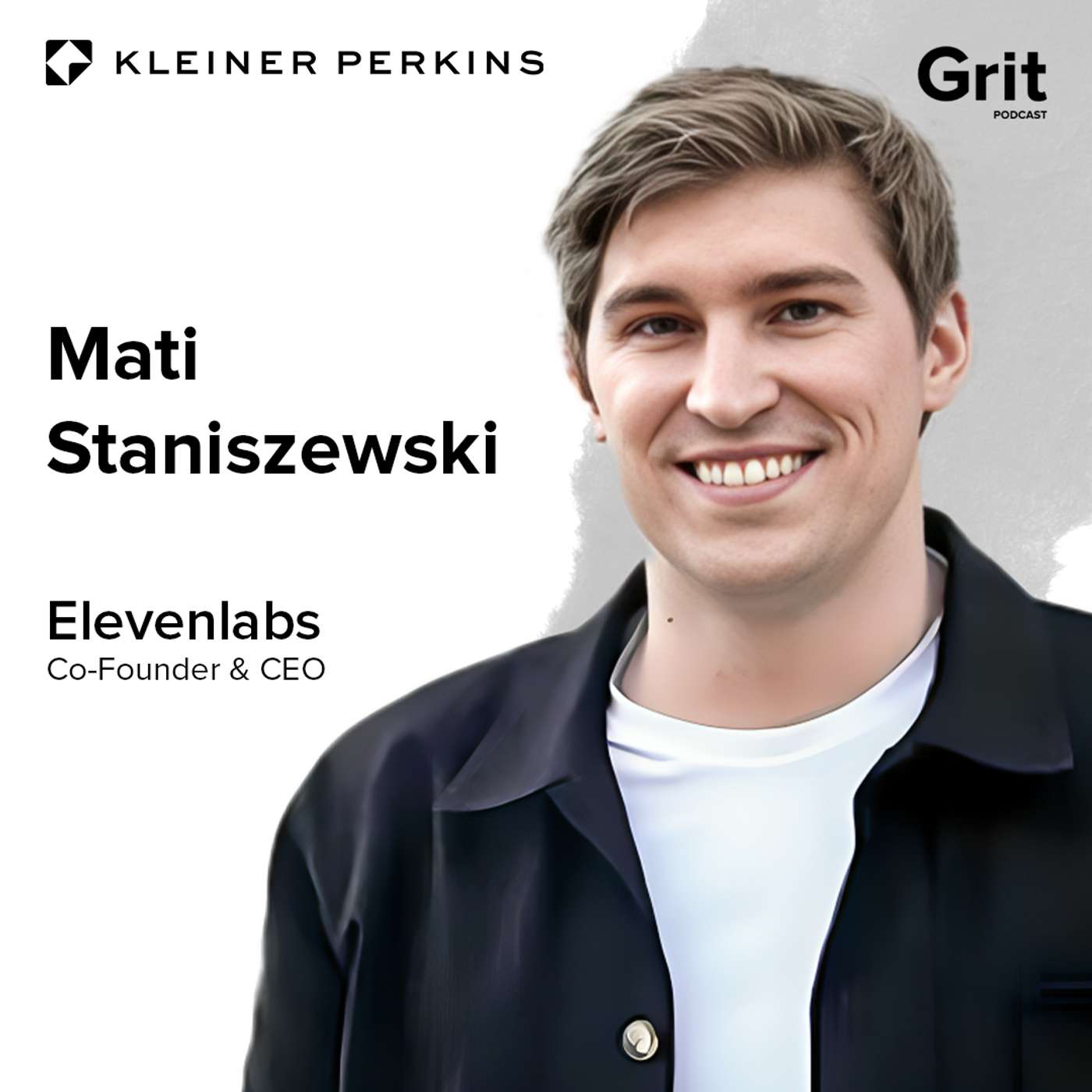
ElevenLabs raised a $100M round entirely for employee secondaries. The CEO's rationale is that by allowing early team members to de-risk and realize financial gains, it solidifies their commitment to the company's multi-year mission rather than creating pressure for a quick exit.
Granting stock options is only half the battle. To make equity a powerful motivator, leaders must constantly communicate a clear and believable narrative for a future liquidity event, such as an acquisition. This vision is what transforms paper ownership into a tangible and valuable incentive in the minds of employees.

The traditional IPO exit is being replaced by a perpetual secondary market for elite private companies. This new paradigm provides liquidity for investors and employees without the high costs and regulatory burdens of going public. This shift fundamentally alters the venture capital lifecycle, enabling longer private holding periods.

The default VC practice of distributing shares after an IPO lockup can leave massive gains on the table. Missing a multi-billion dollar run-up suggests a more nuanced, case-by-case discussion with LPs is needed, as holding can be the difference between a 5x and a 15x fund.

The standard VC practice of distributing shares to LPs immediately after a lockup expires can be a multi-billion dollar error. The case of selling Reddit at a $9B valuation, only to see it rise much higher, highlights that VCs may need to evolve into holding public positions longer, challenging the traditional model.
Vested works directly with employees because startups find small, one-off secondary transactions burdensome due to legal fees and cap table complexity. However, this dynamic inverts at scale. Once Vested facilitates millions in transactions for a single company's stock, the startup has a strong incentive to partner on a formal liquidity program.

The rise of founder-optimized fundraising—raising smaller, more frequent rounds to minimize dilution—is systematically eroding traditional VC ownership models. What is a savvy capital strategy for a founder directly translates into a VC failing to meet their ownership targets, creating a fundamental conflict in the ecosystem.
TA's compensation structure aligns partner incentives directly with investor returns. The primary way for partners to increase their ownership (carry) is by generating realized gains—i.e., returning capital to Limited Partners. This systemically prioritizes liquidity and successful exits over simply deploying capital or marking up portfolio value on paper.

The venture capital paradigm has inverted. Historically, private companies traded at an "illiquidity discount" to their public counterparts. Now, for elite companies, there is an "access premium" where investors pay more for private shares due to scarcity and hype. This makes staying private longer more attractive.
Vested neutralizes non-delivery risk, a major concern in private markets. By funding exercises, they ensure the employee retains a majority of their stock, aligning incentives. Small deal sizes ($50k-$100k) make it economically irrational for an employee to default and ruin their reputation, leading to a 100% delivery rate.