Get your free personalized podcast brief
We scan new podcasts and send you the top 5 insights daily.
Musk's performance-based compensation sets a precedent for other CEOs to approach their boards with ambitious growth targets in exchange for significant equity increases. This challenges the traditional one-way dilution model for founders and executives.

Related Insights
Tesla's proposed 10-year, performance-based compensation plan is more than just a paycheck. It's a strategic mechanism designed to secure Elon Musk's long-term commitment and focus his attention exclusively on achieving Tesla's hyper-aggressive growth targets, like an $8 trillion valuation.

Elon Musk's newly approved trillion-dollar pay package is less about the money and more about securing 25% voting control of Tesla. He views Tesla's future not in cars but in humanoid robots, and he sought this control to direct the development of this potentially world-changing technology.
When Peter Thiel fired Elon Musk from PayPal, he treated him well by fully vesting his stock. This preserved their relationship, leading Musk to later seek investment from Thiel for SpaceX. That decision could yield a $100B+ return for Founders Fund, showing how kindness can pay off.
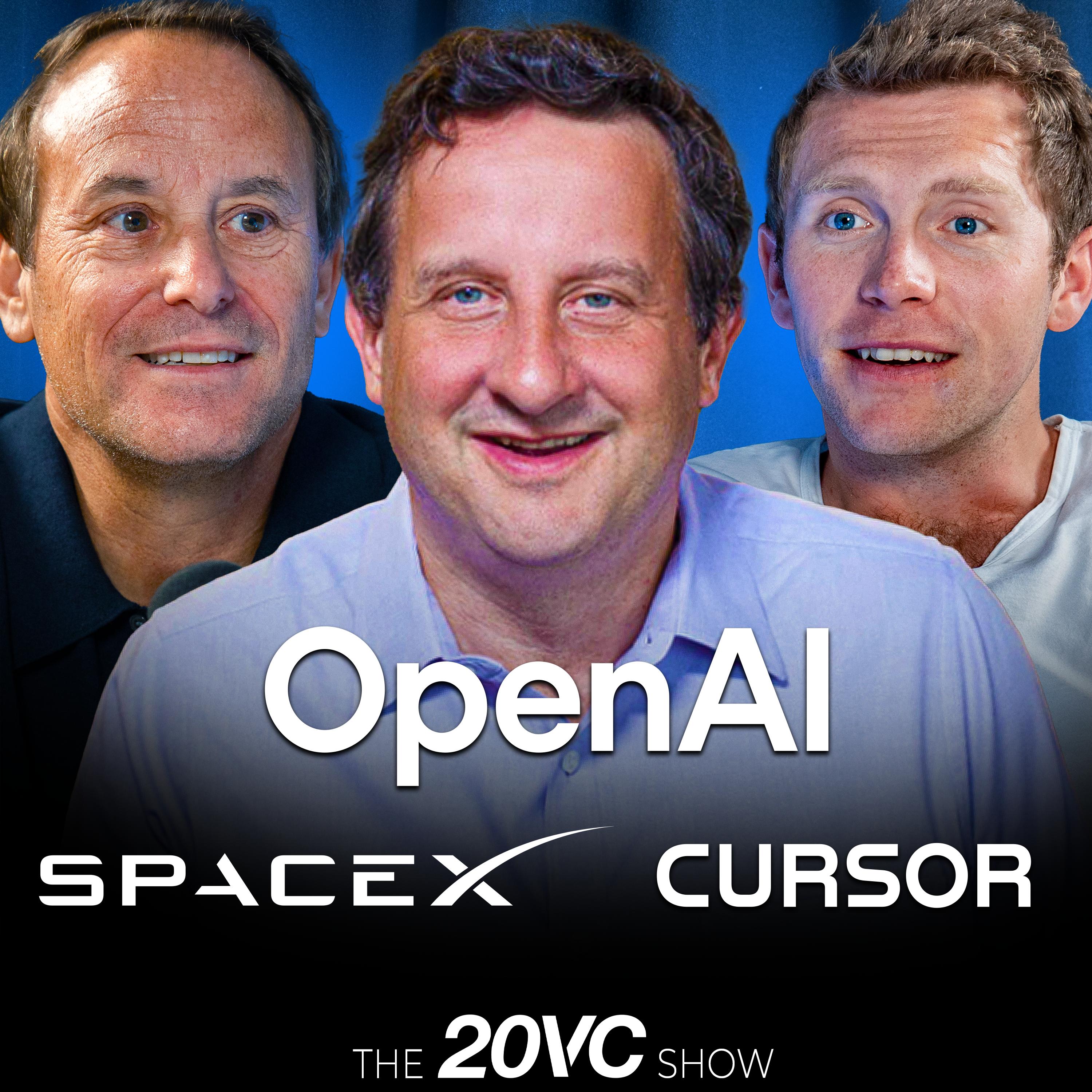
In the hyper-competitive AI talent market, companies like OpenAI are dropping the standard one-year vesting cliff. With equity packages worth millions, top candidates are unwilling to risk getting nothing if they leave before 12 months, forcing a shift in compensation norms.
Startups aim for non-linear outcomes yet often default to conventional, linear compensation bands. To properly incentivize breakthrough performance, founders must reward employees who have a disproportionate impact with equally disproportionate pay, breaking from standard practices.
The court nullified Elon Musk's Tesla pay package not because of its size, but because it was a 'conflicted transaction' that wasn't properly 'cleansed.' The board members deciding the pay were not truly independent of Musk, and shareholders weren't fully informed, leaving no impartial decision-maker in the process.

Elon Musk's ambitious, performance-tied compensation plan isn't just about Tesla. It establishes a powerful precedent for other founders, like those at late-stage unicorns, to negotiate for massive new equity grants by tying them to audacious growth targets, reshaping founder incentive structures.

Despite declining revenues, Tesla's stock is at an all-time high due to its powerful narrative as a world-changing robotics company. This "story premium" makes retaining Elon Musk, the chief storyteller, more critical for shareholders than traditional financial metrics, justifying his massive pay package.

A founder's credibility acts as a multiplier on the perceived value of their narrative. An entrepreneur like Elon Musk, with a track record of success, receives a "multiple expansion on trust," allowing their futuristic stories to attract capital at valuations and scales that a first-time founder could not achieve.

When negotiating a job offer, ask for more stock options instead of a higher salary. This is often better received by employers as it signals you are a long-term believer in the company's success and want to be an "owner," not just an employee.
