Get your free personalized podcast brief
We scan new podcasts and send you the top 5 insights daily.
Thinking in decades is a trait of the ultra-wealthy. To make this practical, create a 25-year vision and then build a "work backwards plan." Sequentially map out milestones from 25 years to 10 years, three years, one year, and finally to the current quarter. This deconstructs a massive goal into achievable steps.

Related Insights
Instead of incremental planning, run "megatrend workshops" to identify major societal or technological shifts 15-20 years out. By working backward from that inevitable future, you can define what your company needs to do in 5 years, and therefore what you must invest in today.

Treat personal and career goals like a marketing funnel. Define the long-term desired outcome (e.g., a 5-year goal), then work backward to map the necessary intermediate steps. This creates a clear, actionable path to success by applying a familiar professional framework to personal growth.

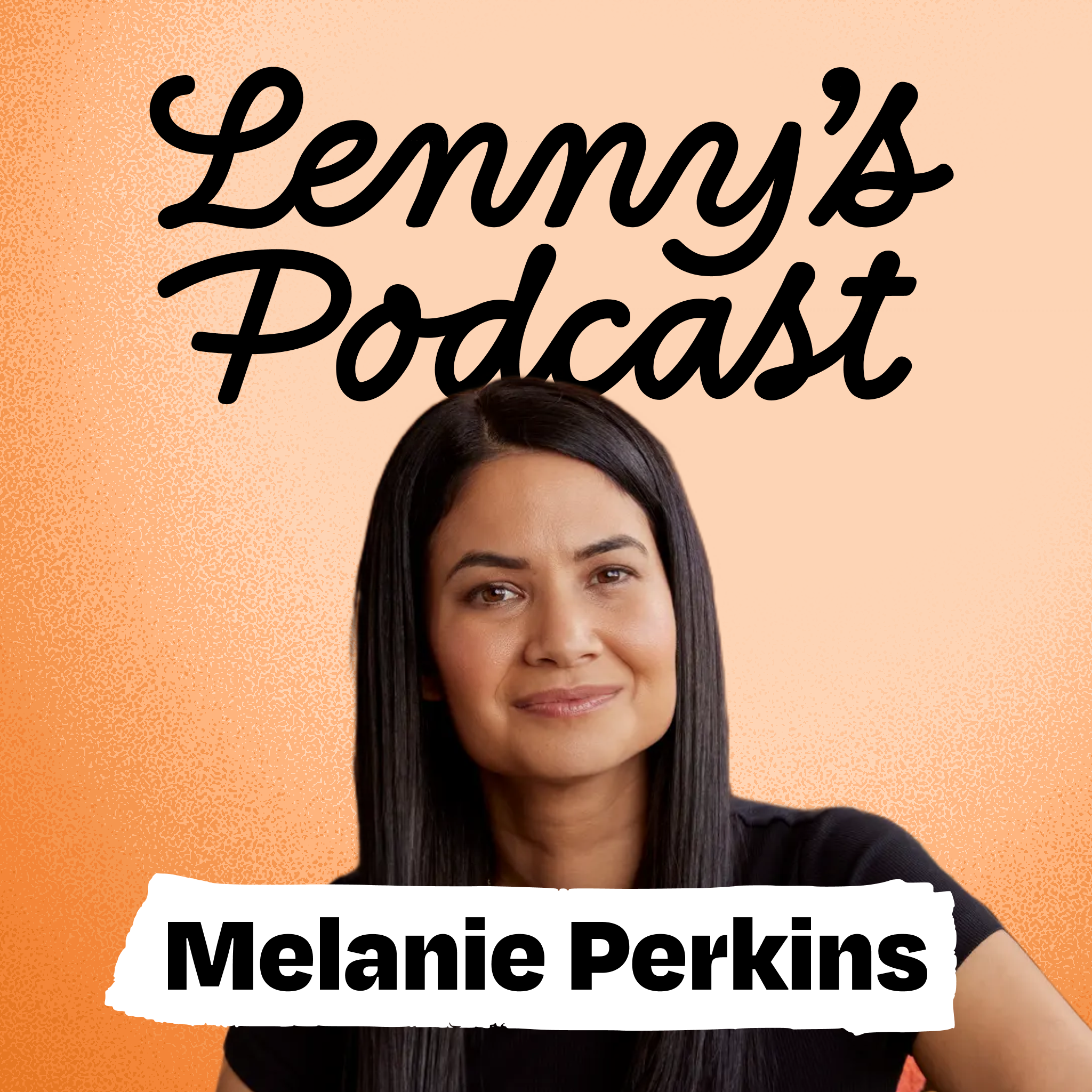
Canva CEO Melanie Perkins plans using "Column B" thinking: envision a perfect, magical future state without constraints, then work backward to build a ladder of small, actionable steps to get there. This contrasts with "Column A" thinking, which starts with current resources and limits vision.
A naive 10-year plan just schedules current low-priority items for the distant future. A better approach is to define a massive 10-year ambition and work backward to identify the foundational "arcs" you must invest in today to make it possible.

A vision should be aspirational to inspire teams. To make it feel achievable, ground it with a product strategy that outlines concrete progress through testable hypotheses each year. The strategy translates the moonshot vision into actionable steps.
To achieve a $20M net worth, Sam Parr calculated the required business sale price, then worked backward to determine necessary revenue, subscribers, and finally, monthly growth targets. This "ABZ" method breaks down daunting long-term visions (Z) into manageable next steps (B).

Large goals are paralyzing without a clear path. Instruct an AI to take your five-year vision and break it down into a logical sequence of yearly, quarterly, and weekly milestones. This ensures you do the right things in the right order, preventing wasted effort and making the goal approachable.
Pursuing huge, multi-year goals creates a constant anxiety of not doing "enough." To combat this, break the grand vision into smaller, concrete milestones (e.g., "what does a win look like in 12 months?"). This makes progress measurable and shifts the guiding question from the paralyzing "Am I doing enough?" to the strategic "Is my work aligned with the long-term goal?"
To achieve a massive, long-term goal like building a company, break it down into a single, specific, weekly metric (e.g., "grow subscribers by 3%"). This radical focus on a micro-goal forces intense daily action, eliminates distractions like side hustles, and makes an audacious goal feel approachable.
When all immediate career goals are met, the next step isn't another small target but a larger visioning exercise: "What will my life and impact look like in 20 years?" This long-term re-framing creates a new, more profound sense of purpose that drives the next chapter of a career.
