Get your free personalized podcast brief
We scan new podcasts and send you the top 5 insights daily.
Hired to manage the 2026 World Cup, CEO Zayleen Jemuhamed learned in her first board meeting that they were also bidding for the 2026 Super Bowl—with a deadline weeks away. This highlights that in high-growth contexts, a CEO must be ready to react to unforeseen, massive opportunities from their board.

Related Insights
The era of stable, long-term planning is over. In a volatile environment, plans become obsolete quickly. The new leadership model is to ensure everyone deeply understands the company's direction and vision, empowering them to constantly adapt their tactics to reach the goal, rather than rigidly follow an outdated plan.
To navigate rapid technological shifts like AI and stablecoins, Mastercard's CEO champions a mindset of "constructive, competitive paranoia." This involves being hyper-aware of potential threats while proactively leaning into these discontinuities to discover and capitalize on new business opportunities.
Like basketball coaches who make players analyze game film to spot momentum shifts, business leaders can use 'what-if' teams. By regularly gaming out hypothetical market shifts or competitor actions, they train the organization to recognize and seize real opportunities when they arise.

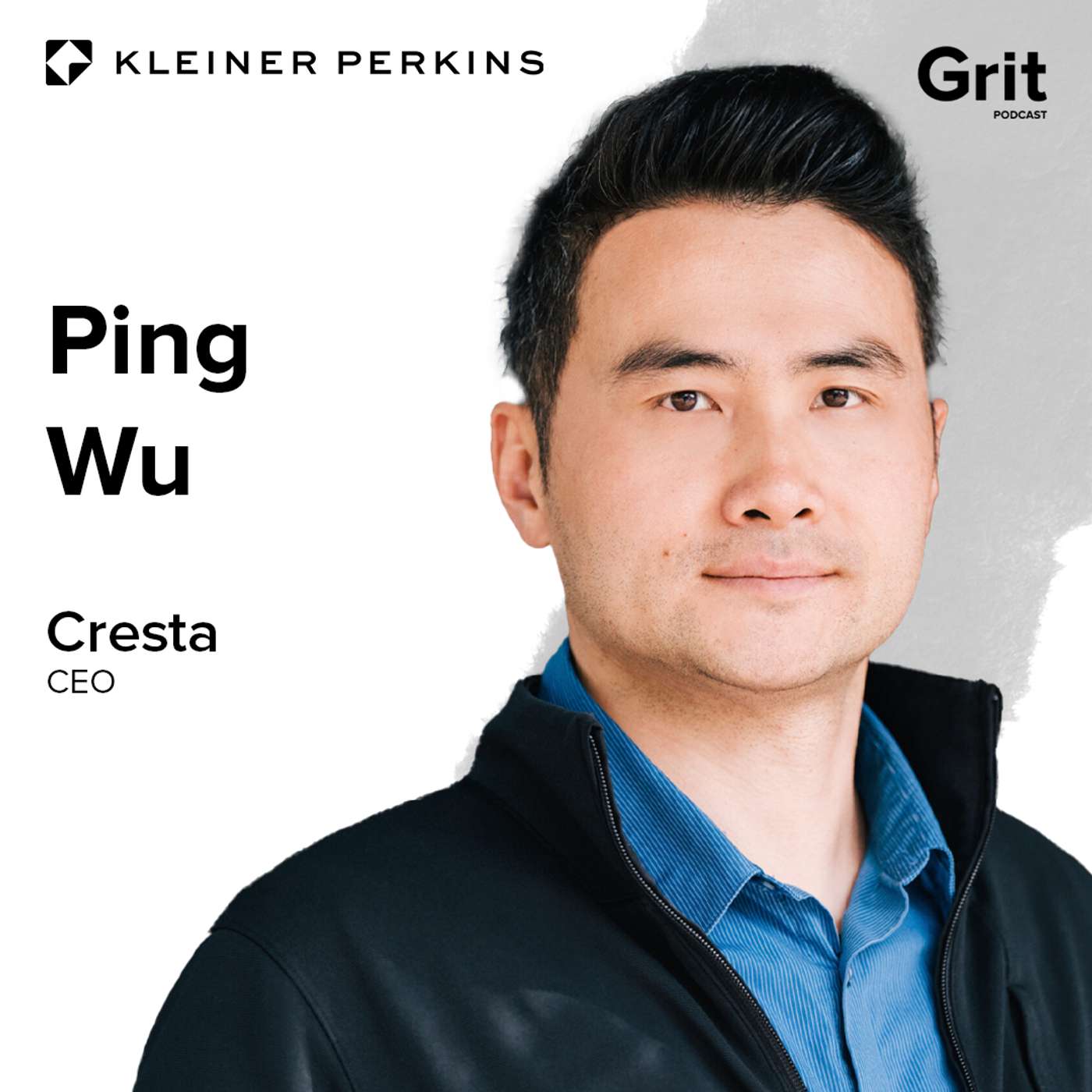
Ping Wu details how he leverages his board: he consults Doug Leone on SaaS company-building patterns, Sebastian Thrun on long-term AI trends, and former member Carl Eschenbach on go-to-market operations. This demonstrates a strategic approach to extracting maximum value from a diverse board.
Jones Road Beauty CEO Cody Plofker suggests that half of his value is simply applying urgency across the company. This frames the CEO's primary function not as the chief strategist, but as the main catalyst for accelerating the pace of execution and empowering the team to solve problems quickly.

CEO Mary Barra has transformed GM's strategic planning from a rigid annual event into a more frequent and fluid process. This shift allows the senior leadership team to react quickly to new market data and technological learnings, preventing 'momentum' from pushing a program forward when a pivot is needed, a critical capability in the volatile auto market.
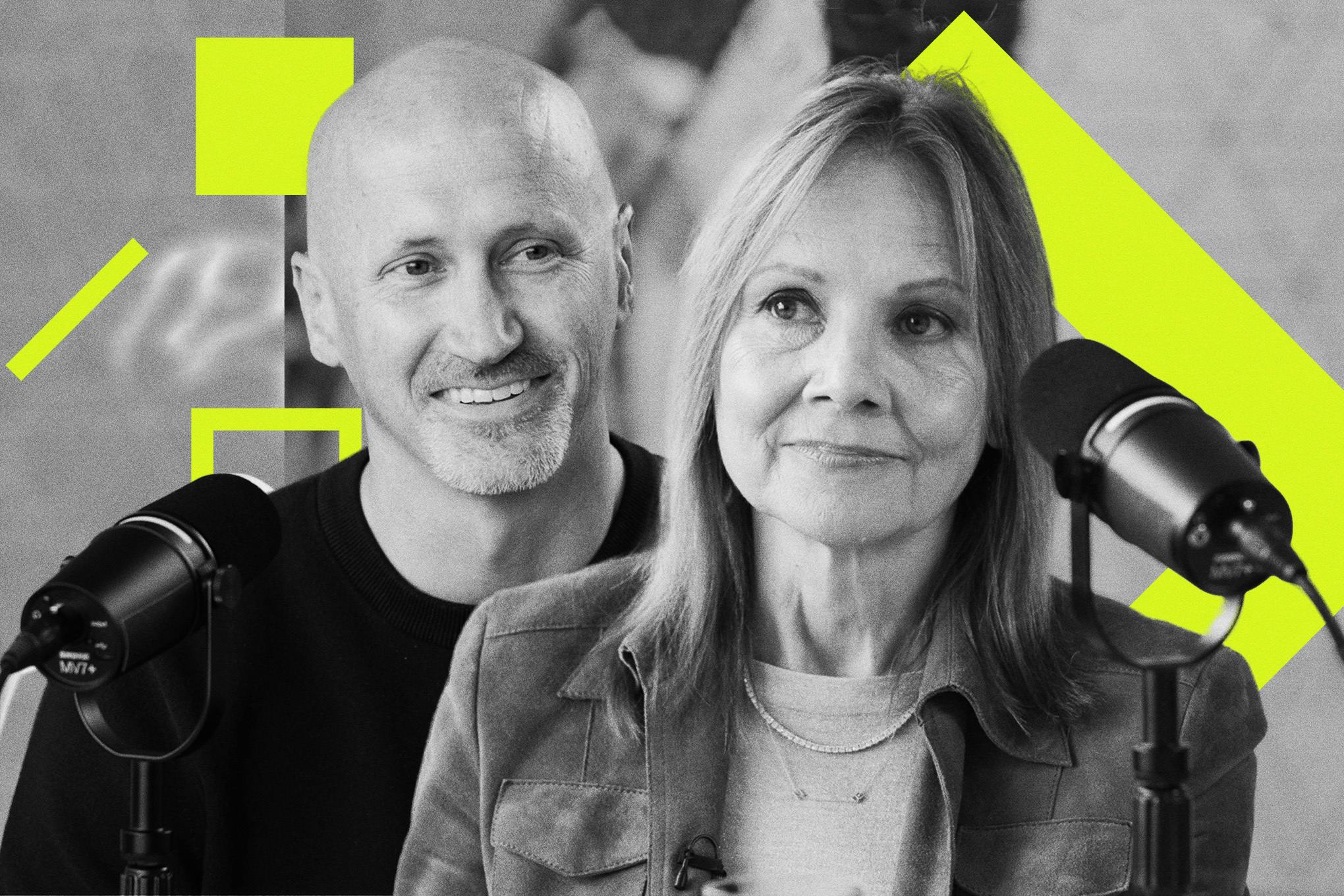
To instill extreme speed, Sequoia's Doug Leone challenges founders by asking why their growth plan isn't 3x more ambitious. This forces an honest discussion about the true bottlenecks—the "rocks in the river" like funding or hiring. The board's job then becomes helping the CEO remove those specific obstacles.

During a routine roadmap review, Nvidia's CEO unexpectedly abolished a major product line and reassigned a third of the company's engineers. This exemplifies the fearless, rapid, and decisive leadership required to navigate fast-moving tech markets.
When strategic direction is unclear due to leadership changes, waiting for clarity leads to stagnation. The better approach is to create a draft plan with the explicit understanding it may be discarded. This provides a starting point for new leadership and maintains team momentum, so long as you are psychologically prepared to pivot.
Successful people with unconventional paths ('dark horses') avoid rigid five or ten-year plans. Like early-stage founders, they focus on making the best immediate choice that aligns with their fulfillment, maintaining the agility to pivot. This iterative approach consistently outperforms fixed, long-term roadmaps.